




Legislation Would Up Minimum Truck Insurance Almost 500%
On Friday, Rep. Matt Cartwright (D-Penn) introduced a bill that would raise the required insurance minimum for motor carriers, dubbed the Safe and Fair Environment on Highways Achieved through Underwriting Levels Act (H.R. 2730) otherwise known as “SAFE HAUL."
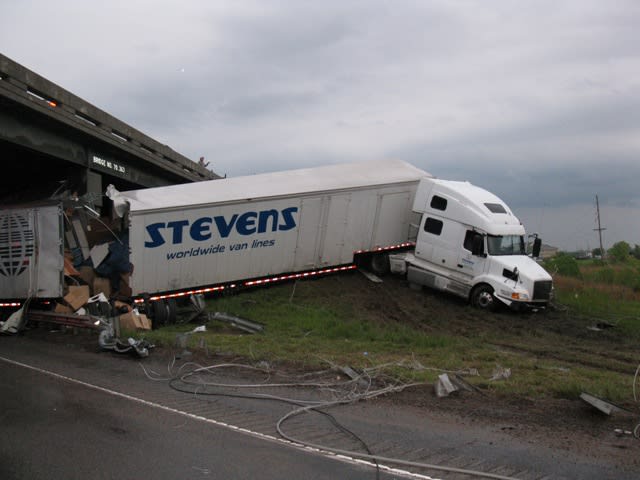

UPDATED--On Friday, Rep. Matt Cartwright (D-Penn) introduced a bill that would raise the required insurance minimum for motor carriers, dubbed the Safe and Fair Environment on Highways Achieved through Underwriting Levels Act (H.R. 2730) otherwise known as “SAFE HAUL."
The bill would increase the required insurance minimum for motor carriers from $750,000 to $4.422 million. The bill would also tie the future insurance minimum requirement to the cost of medical care inflation
Congress established the current insurance minimum in 1980 at $750,000. This minimum requirement has not been raised since.
According to a statement from Rep. Cartwright’s office, in present dollars and adjusted for the increase in the cost of medical care, it takes more than $4.4 million to provide for the equivalent of the $750,000 in the original law.
“This is a matter of public safety,” he said. “Tragically, more than 100,000 people have been killed in commercial vehicle collisions since 1980. This legislation is essential to protecting our nation’s highways and ensuring that victims receive the proper amount of compensation for their losses.”
Cartwright contends the current minimum of $750,000 fails to perform the basic functions that Congress intended--to promote safe operations by holding insurers responsible for inspecting trucking operations prior to underwriting policies and to protect the public.
The congressman’s office sites a recent study conducted by the Trucking Alliance that it says shows 42% of the dollar settlements paid by trucking companies between 2005 and 2011 for motor vehicle accidents exceeded the minimum insurance requirement.
Other trucking groups take a dim view of the Alliance’s work, however. “It’s pretty much just garbage,” said Todd Spencer, executive vice president of the Owner-Operator Independent Drivers Association.
He cited the small number of carriers in the survey and the caveat of the Bickerstaff firm that the analysis is informal and not a statement of actuarial opinion.
The Federal Motor Carrier Safety Administration is working on its own analysis of the insurance standard, as required by the highway law Congress passed last year.
The legislation has seven cosponsors and has been referred to the House Committee on Transportation and Infrastructure where it is awaiting action.
Update corrects percentage amount.
Related Story:
More Fleet Management

For Nicky Cupp, Fleet Innovation Starts With Frustration
HDT Truck Fleet Innovator Nicky Cupp turns everyday pain points at Fraley & Schilling into opportunities for better technology and smarter processes.
Read More →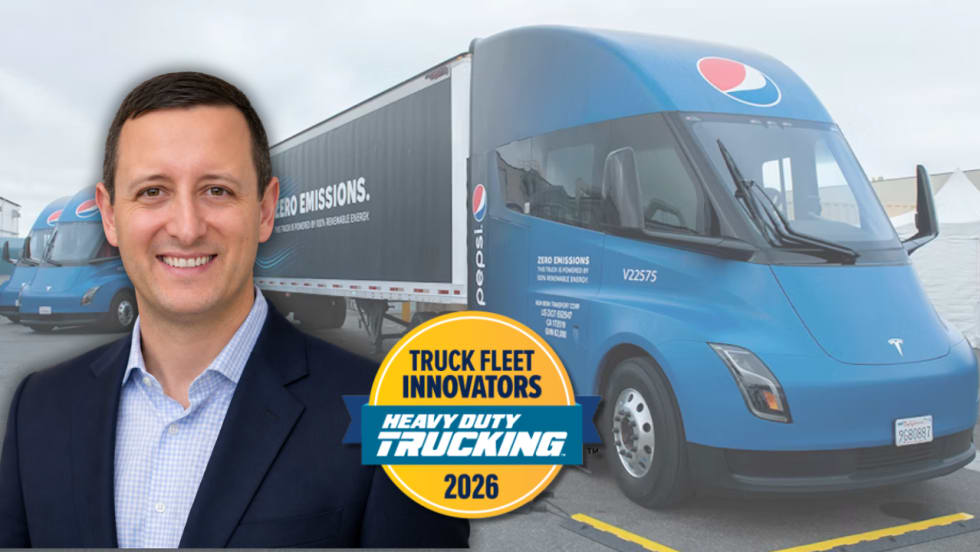
Adam Buttgenbach’s Approach to Electric Trucks: Start With Where They Fit
HDT Truck Fleet Innovator Adam Buttgenbach helped PepsiCo build one of North America’s largest EV fleets by focusing on where electric trucks make operational sense.
Read More →
Deen Albert: Let Automation Do the Math, People Make the Decisions
HDT Truck Fleet Innovator Deen Albert makes sure people are still at the heart of operations at Grand Island Express, even while adopting artificial intelligence tools. AI-assisted dispatch helped boost revenue 25% with the same number of trucks.
Read More →
Trimble’s New AI Agent Takes Aim at Fleet Back-Office Busywork
Arc Agent works across Trimble TMS products to automate repetitive tasks such as freight orders, maintenance, invoices, fuel costs and more.
Read More →
How HDT’s 2026 Truck Fleet Innovators Are Rethinking Fleet Operations
Meet five trucking leaders who are challenging assumptions, solving operational problems, and putting innovative ideas to work.
Read More →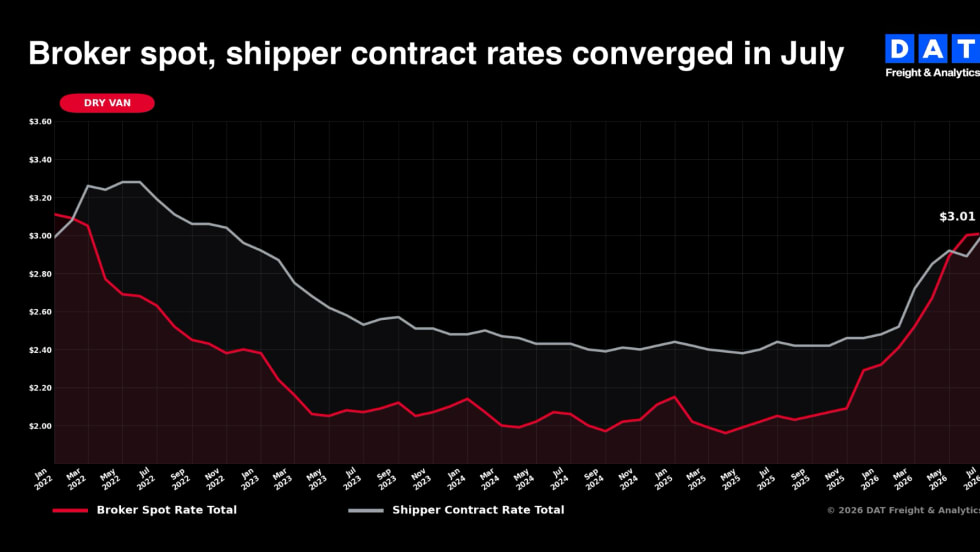
Tight Trucking Capacity Pushes Rates Higher Even as Freight Volumes Fall
“Spot rates moving ahead of contract rates have historically signaled a tightening market, but we haven’t seen a capacity-driven market quite like this one,” said DAT's Dean Croke.
Read More →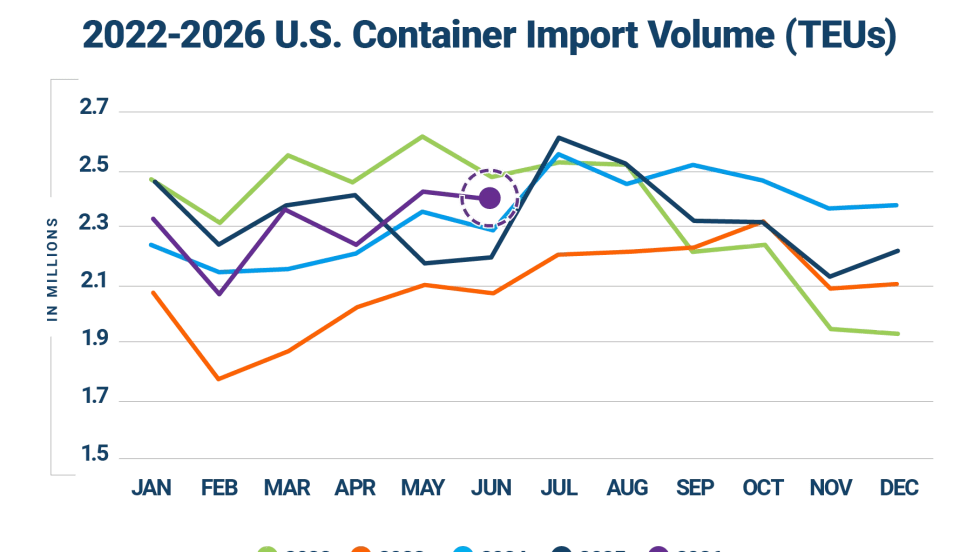
Import Cargo’s Early Peak Season is Winding Down
There was an early start to peak season this year at the nation's gateway ports, as retailers brought in merchandise ahead of tariff changes in late July and responded to other supply chain uncertainties,
Read More →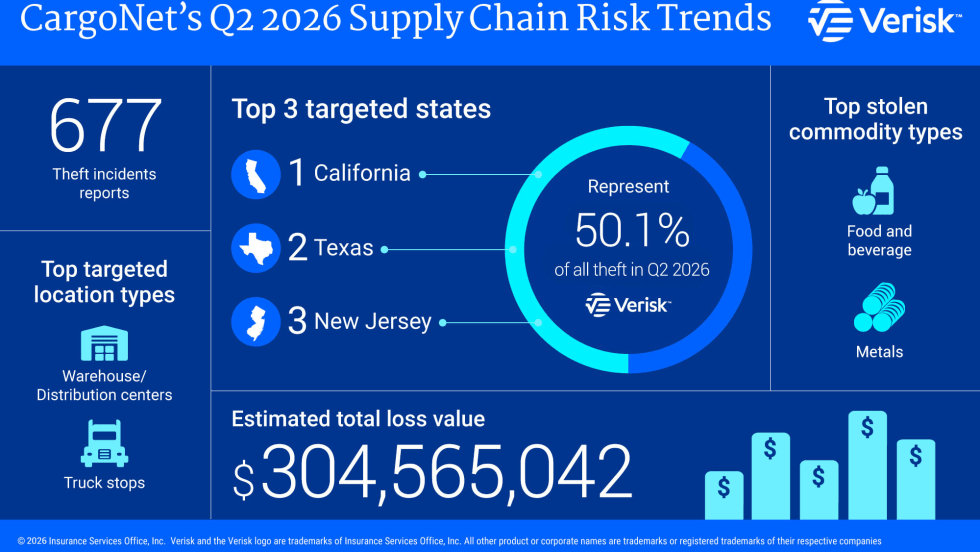
Fewer Cargo Thefts, Bigger Losses: Criminals Target Higher-Value Loads
CargoNet says organized theft rings are stealing fewer shipments but choosing more valuable freight, including metals and technology, resulting in record losses.
Read More →
How Innovative Trucking Leaders Turn Change Into an Advantage
As the pace of change accelerates in trucking, the fleets that adapt best have more than the latest technology. They have cultures that embrace improvement.
Read More →
Freight Broker Bonds Just Got Harder to Get. Here's What That Means for Your Fleet.
When it gets harder for a freight broker to prove they are financially sound, the ones who cannot clear that bar get pushed out of the market. And those are exactly the brokers who used to leave motor carriers holding the bag.
Read More →