




Legislation Calls for Rescinding Idle Transportation Earmarks
Rep. James Lankford, R-Okla., has introduced H.R. 4715, the Orphan Earmarks Act, to rescind and remove idle earmarks for Department of Transportation projects, some of which were approved more than 20 years ago.

Rep. James Lankford, R-Oklahoma

Rep. James Lankford, R-Okla., has introduced H.R. 4715, the Orphan Earmarks Act, to rescind and remove idle earmarks for Department of Transportation projects, some of which were approved more than 20 years ago.
An April 2014 Congressional Research Service report, commissioned by Senator Tom Coburn, R-Okla., indicated multiple projects have remained dormant and unused. Coburn and Sen. Claire McCaskill, D-Mo., have introduced similar transportation earmark legislation in the Senate.
Like the Senate bill, Lankford’s proposal would void earmarked funds in U.S. DOT accounts with 90% or more of the original dollar amount left unobligated after ten fiscal years. The bill also requires DOT to submit a report each year detailing which projects were funded through earmarked dollars and which funds remain available for funding at the end of the fiscal year. Additionally, it provides flexibility to DOT to ensure projects slated to begin in the immediate future can still take place, according to Lankford.
“Approximately $120 million of American taxpayer money sits in the Department of Transportation coffers after being appropriated years ago for a pet project that was never completed,” said Lankford. ”Instead of sustaining communities and supporting the taxpayers who contributed the money, $120 million is abandoned on a federal balance sheet.”
The legislation comes as Congress is working on renewing funding for the nation’s highway building and repair program before it runs out later this year as well as searching for new ways to pay for it.
A copy of CRS’s report is on Lankford’s website.
More Fleet Management
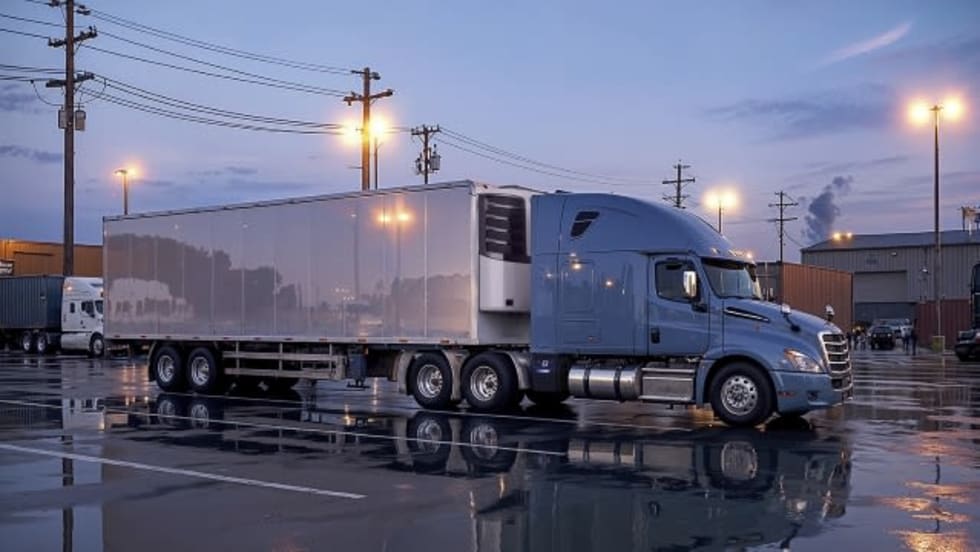
Enhance Fleet Performance with High-Efficiency Auxiliary Power Units
Drive sustainable cost savings while increasing driver comfort during short- and long-haul logistics operations.
Read More →
Is Your Parts Procurement Process Reactive or Proactive?
Ready to revamp your parts procurement process? Learn how now with “Strategic Parts Purchasing: A Process Checklist”
Read More →
What Trucking Events are Happening in 2026?
Looking for trucking-related conventions, expos, and other events? Heavy Duty Trucking has developed this list of national and larger regional trucking shows and events.
Read More →
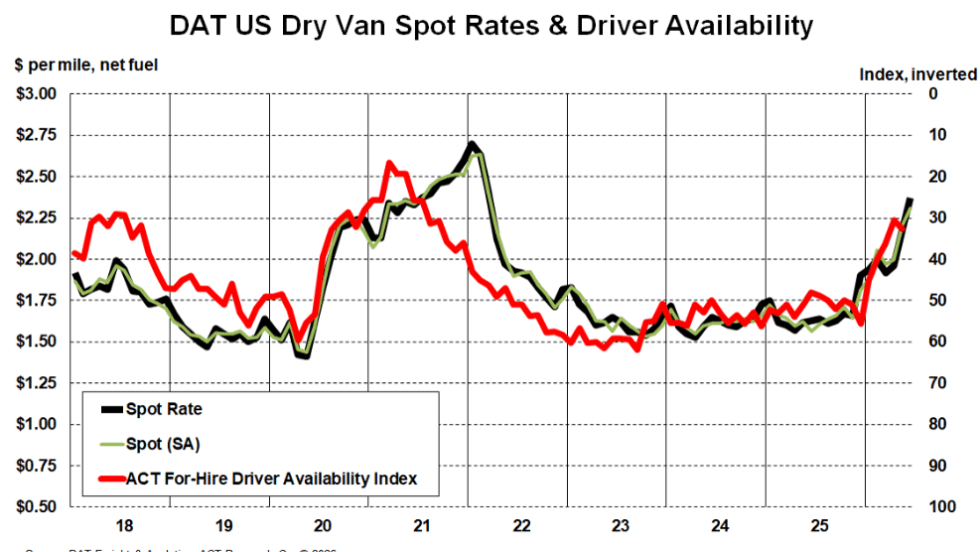
Truckload Rates Keep Rising as Tight Capacity Fuels Freight Market Recovery
Spot and contract rates continued climbing in May and June, not because freight demand is surging, but because fewer trucks and drivers are available.
Read More →
What Geotab's New AI Connector Means for Fleets
Fleets can now ask their usual AI assistants questions about maintenance, safety, fuel use, and vehicle performance, using their live Geotab data, and take action on the answers without leaving their preferred AI tool.
Read More →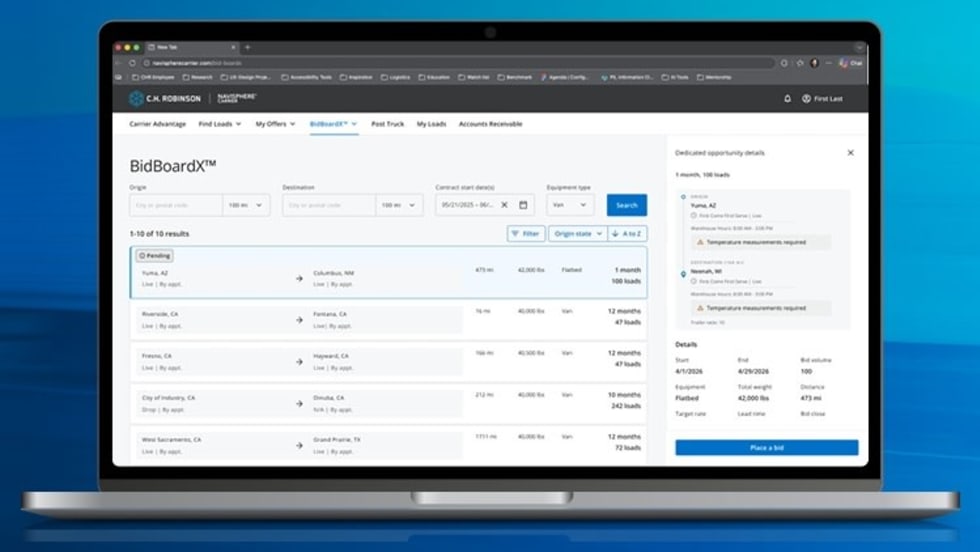
New C.H. Robinson Tool Opens Door to More Predictable Freight
BidBoardX lets carriers search, bid on, and secure committed freight opportunities through a single digital marketplace.
Read More →
New York City's Microhub Project is Delivering Results
Trucking, last-mile delivery companies, and environmental advocates like what they are seeing so far with New York's microhub program.
Read More →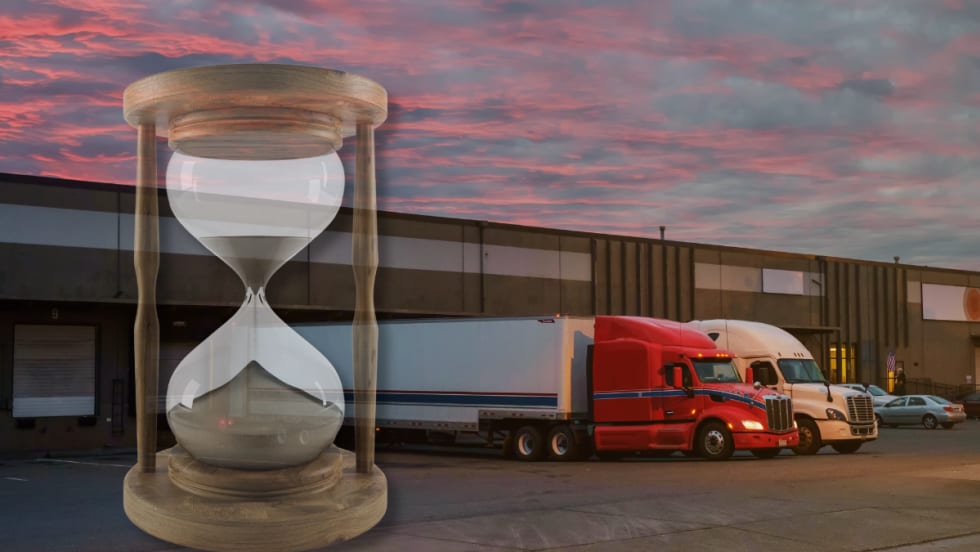
Why Truck Detention Keeps Costing Fleets Time and Money
A 2024 ATRI study found detention affects nearly 40% of truckload stops and costs the industry more than $15 billion annually. Despite the toll on drivers, fleets, and supply chains, the problem remains stubbornly persistent.
Read More →
Time is Running Out to Apply for Exclusive HDT Event
Heavy Duty Trucking Exchange brings fleet managers and suppliers together for the deeper conversations that lead to ideas, partnerships, and solutions. Time is running out to apply for the September event.
Read More →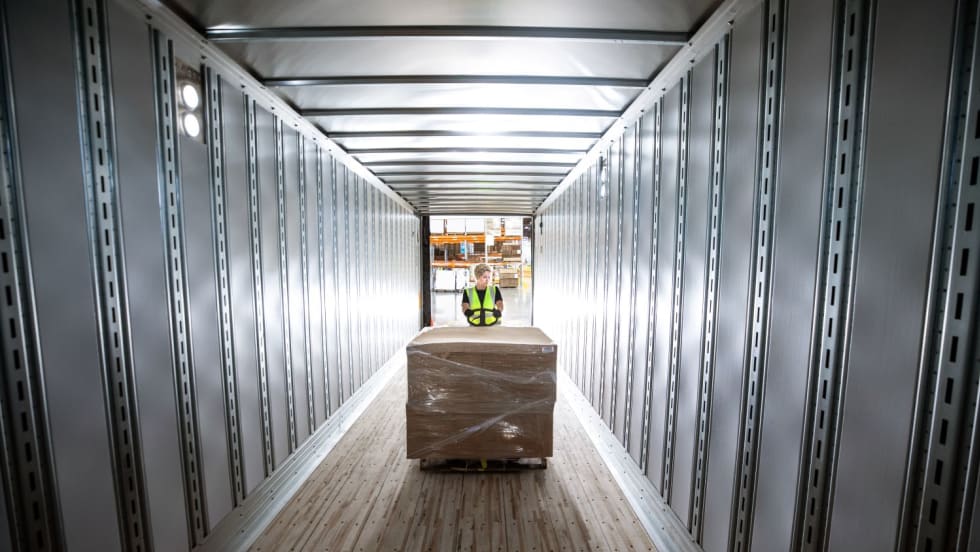
Amazon Launches Less-Than-Truckload Freight Offering for All Businesses
This launch is the latest addition to Amazon Supply Chain Services, a portfolio of supply chain capabilities from Amazon, including freight, distribution, fulfillment, and parcel shipping.
Read More →