




LA, Chicago Get Congestion Grants
Los Angeles and Chicago could receive hundreds of millions of dollars in federal congestion reduction grants -- if they can get the kind of local and regional government approval that a New York City congestion pricing plan failed to get
Los Angeles and Chicago could receive hundreds of millions of dollars in federal congestion reduction grants -- if they can get the kind of local and regional government approval that a New York City congestion pricing plan failed to get.
A plan to cut highway traffic jams and provide better bus transit services in Los Angeles is eligible for more than $213 million in federal congestion reduction grants. The grant will allow local leaders to move forward with a plan to use solutions such as congestion pricing to improve southern California's traffic, economy and air quality.
In announcing the funding in Los Angeles during an event with Mayor Antonio Villaraigosa and Governor Arnold Schwarzenegger, Transportation Secretary Mary Peters said that the new federal funding would provide the leverage local leaders need to convert up to 85 miles of local HOV highway lanes into more reliable high occupancy toll, or HOT, lanes by the end of 2010.
These roads use electronic tolling technology to allow drivers to pay a fee for access to less-congested lanes. Sophisticated sensors will monitor the region's freeways and adjust fares for the lanes based on traffic levels. Peters said that being able to choose to avoid back ups to experience faster commutes was "a better option than being stuck in traffic and staring at an open lane just to your left." Federal funds also will help finance new bus service to run on the HOT lanes. Experience and data show that HOT lanes lead to better traffic on other parallel highway lanes as well, Peters said.
She also said that the money generated by the new HOT lane tolls would be available for investments in improved transit services throughout the region.
Chicago has been selected to receive more than $153 million in federal funds under a new congestion initiative. The proposal will reduce gridlock through the use of congestion pricing for street parking spaces and faster, more reliable bus service.
Peters explained the federal funds will be used to support Chicago's creation of four pilot routes of a new Bus Rapid Transit (BRT) network. The new BRT routes will have their own dedicated lanes and the buses will be equipped with technology to help speed them through traffic with priority right of way at busy signalized intersections. In addition, the CTA will be able to purchase new and cleaner hybrid engine vehicles, she said.
The use of congestion pricing for the city's metered parking spaces is key to Chicago's ambitious plan, Peters said. Higher street meter rates during the morning and evening rush periods will encourage commuters to take transit downtown instead of driving. And, the new BRT routes will be available for those who don't want to pay more for parking.
Both plans are at least partically contingent on getting local and/or regional approval for the plans. In the case of LA, the region has until Oct. 15 to get the legislative authority needed to convert the existing HOV lanes into the new high-occupancy toll lanes. In Chicago, the federal funding is contingent, in part, on the city and the CTA adopting the necessary legal authorities. Also, the city must successfully move forward on its previously announced plans to privatize its metered parking system and enter into a long-term agreement with a private firm by Dec. 31.
Some of the federal money awarded to Chicago includes funds that New York City left on the table after the state legislature failed to provide the approvel for a plan that would have used congestion pricing for drivers entering Manhattan, charging $8 for cars and $21 for trucks to drive into the busiest parts of Manhattan between 6 a.m. and 6 p.m.
More Aftermarket

What Three Fleets Are Doing Differently When Buying Truck Parts in 2026
With freight improving but costs still climbing, fleet maintenance executives explain how they're balancing price, quality, and supplier relationships.
Read More →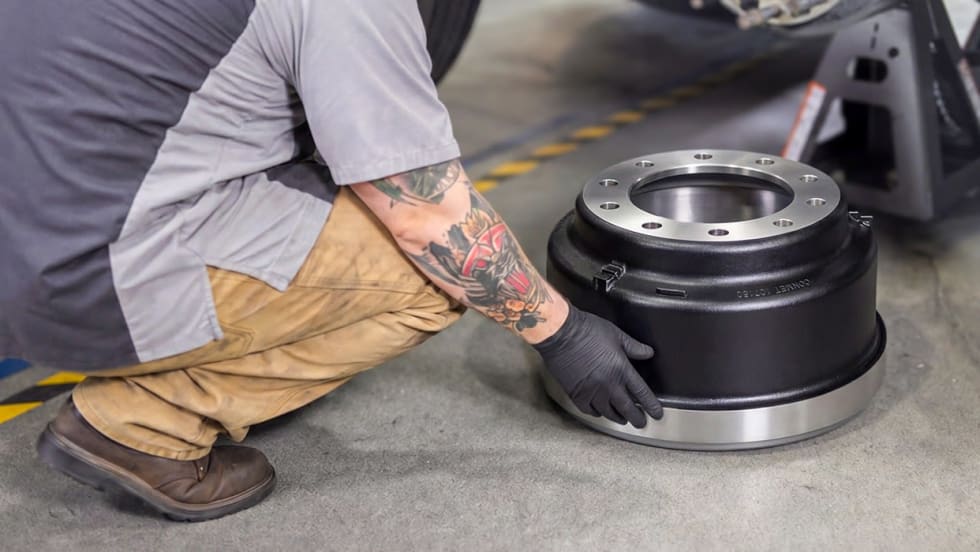
ConMet Expands Aftermarket Brake Drum Lineup With TruCast
A new heavy-duty truck brake drum option in the aftermarket gives customers more flexibility within the ConMet product family.
Read More →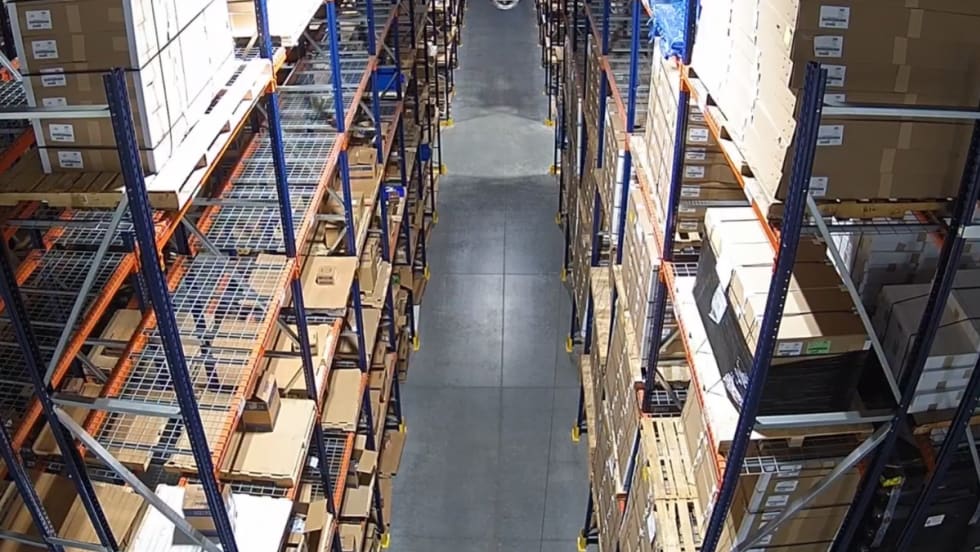
Phillips Opens High-Tech Distribution Center for Faster Parts Delivery
Phillips Industries’ new Cincinnati-area distribution center is now shipping aftermarket trucking parts nationwide, aiming to speed up delivery times for customers.
Read More →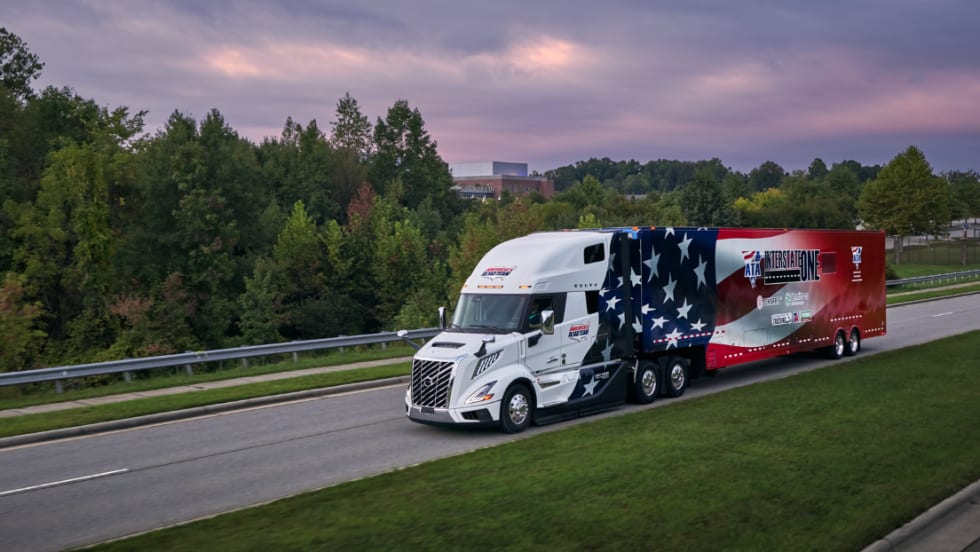
Volvo to Sponsor America’s Road Team for 2025
Volvo Trucks announced that it is extending its exclusive sponsorship of America’s Road Team for 2025.
Read More →
Webb to Start Taking Orders for UltraSet Pre-Adjusted Wheel Hubs
Webb, which recently acquired the Stemco Trifecta pre-adjusted hub program, will soon start taking orders for its replacement pre-assembled hub, the UltraSet.
Read More →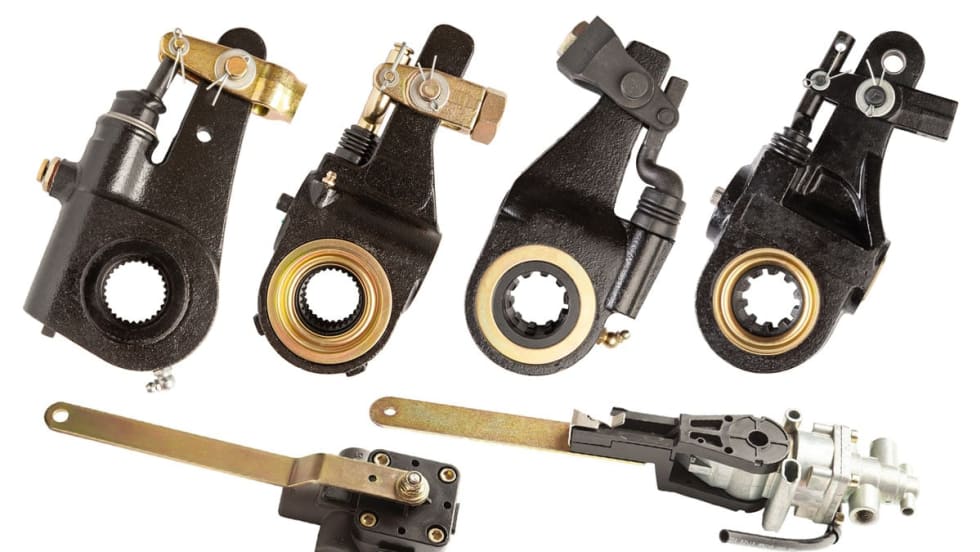
All-Makes Automatic Brake Adjusters, Ride Height Control Valves from Midland
SAF-Holland has added automatic brake adjusters and ride height control valves to its Midland All-Makes Program.
Read More →
ZF Aftermarket Expands [pro]Academy Training
ZF Aftermarket said it is expanding its ZF [pro]Academy training and will be adding 40 new modules this year.
Read More →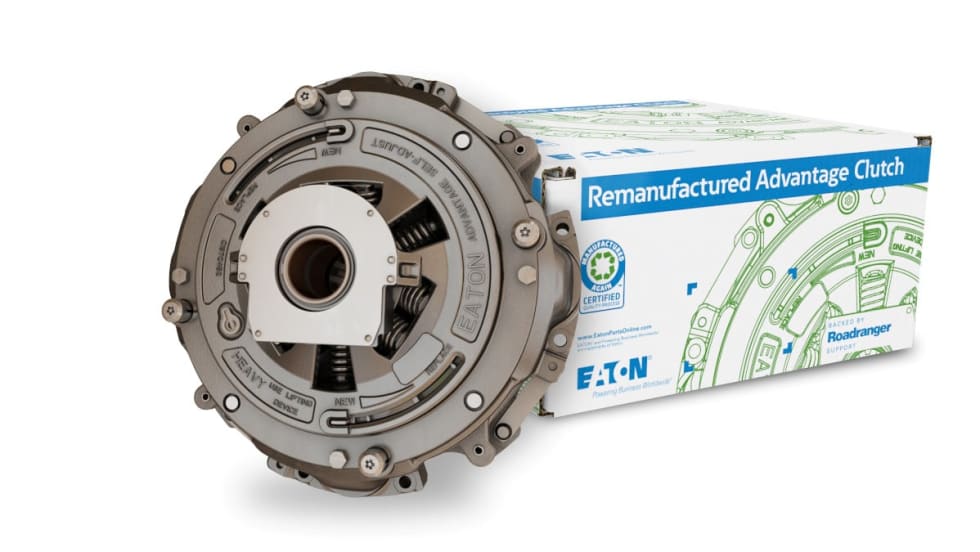
Eaton Adds Remanufactured Advantage Line of Clutches
Eaton has added its Advantage clutches to its remanufactured product line. The clutches feature a unique strap drive intermediate plate designed to allow customers to choose the latest OE specification
Read More →
ConMet Acquires TruckLabs, the Creator of TruckWings
Commercial truck and trailer parts provider ConMet acquired TruckLabs, the company that created TruckWings, an aerodynamic device that attaches to truck cabs and deploys to close the gap between truck and trailer. TruckLabs now operates as a subsidiary of ConMet.
Read More →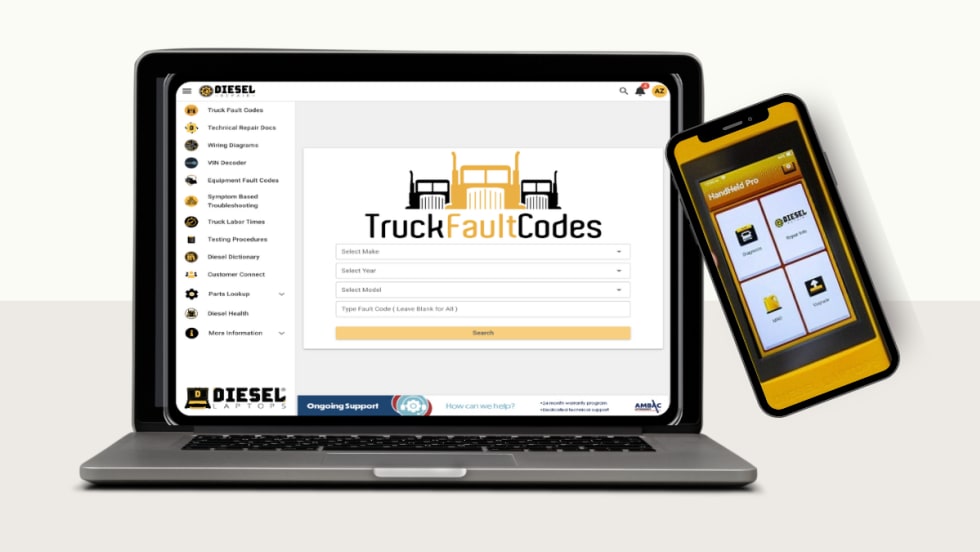
Diesel Laptops Releases Fault-Code-to-Part-Number Tool
Diesel Laptops said its Truck Fault Codes allows users to input a fault code and immediately identify and order the parts needed to complete repair work.
Read More →