





Related: KW’s New T880S Has Traditional Looks, Surprising Turnability
Kenworth: Vocational Truck Market to Stay Strong Through End of 2017
The first half of 2017 has been good to the trucking industry, and to the vocational market in particular, according to Kenworth. And going into the second half of the year, the OEM sees the underlying economic fundamentals as equally promising.
July 24, 2017
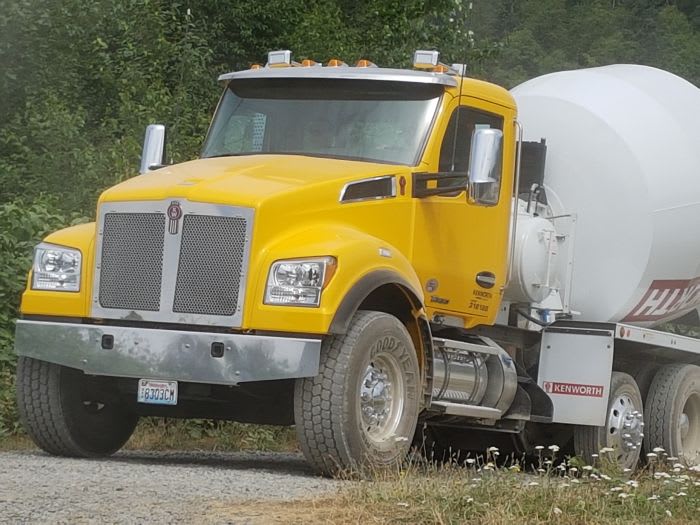
Photo:Jim Park.
2 min to read
Photo:Jim Park.
The first half of 2017 has been good to the trucking industry, and to the vocational market in particular, and the going into the second half of the year, the underlying economic fundamentals look equally promising. That's the view from Kirkland, Wash., where Paccar vice president and Kenworth general manager Mike Dozier addressed reporters at a press event on July 21.
"Whether you're talking vocational or just the market in general in North America, the underlying fundamentals all remain very positive," Dozier said. "There's a very strong alignment between what we're seeing in terms of sentiment within the industry and factors like growth in GDP and the associated rise in consumer confidence. We expect that to continue throughout the year."
Dozier noted that certain key indicators, namely total construction spending and housing starts, trend closely to actual growth in retail orders for the company's T880 vocational chassis.
Earlier this year, Kenworth had forecast retail sales of 190,000 to 220,000 units. At the time, Dozier among others was a bit worried that the situation might change as the post-election hangover wore off, but it hasn't. In fact, Dozier said consumer confidence remains strong-- and the market remains buoyant.
"Earlier in the year, I would have said we were in the lower range of the estimate band," he said. "But today, with half the year still ahead of us, we are in the upper range of that band. That bodes well for the remainder of the year."
Internally, Dozier said the Paccar MX engine now accounts for just over 45% of engine orders across all Class 8 lines — on-highway and vocational. "We are happy with the growth we've seen so far, and we expect to end 2017 with 160,000 MX engines in service," he said.
The Kenworth dealer network continues to grow. There were 382 North American dealers at the end of 2016 with more than 4,700 service bays. Plans call for over 400 dealers by the end of 2017.
"The vocational market has been a terrific positive throughout the course of the year," Dozier said in summary, "and we're looking for that to continue for the rest of the year. We're hearing and we're seeing it in orders. Customers are telling us they are very pleased with how their years are progressing so far."
*Correction: Post originally said Kenworth's headquarters was in Renton, Wash. It has been corrected to Kirkland.
More Fleet Management

Nominations Open for HDT Emerging Leaders
Heavy Duty Trucking is looking for accomplished trucking fleet professionals under 40 who are making an impact and helping lead the industry forward.
Read More →
Why Private Fleets Are Taking More Freight
Private fleets are putting their own trucks on demanding customers and high-cost lanes as companies seek greater control over service, costs, and capacity.
Read More →
Sponsored•September 16, 2026
Color Match Smarter: Tools That Restore & Perform
For fleet managers and collision repair professionals keeping heavy-duty trucks on the road, getting the color right the first time isn't just about appearance — it's about efficiency, turnaround time, and bottom-line results. Discover how today's digital color tools are transforming the repair process from guesswork to precision.
Read More →


FMCSA Pauses Biennial-Update Enforcement Amid Motus Transition
Carriers whose updates were due on or after June 1 have more time, while FMCSA works to stabilize its new registration system and warns of phishing sites impersonating its new carrier registration system, Motus.
Read More →
Sponsored•September 14, 2026
2026 Blueprint for Countering Smarter Supply Chain Theft
Cargo theft is no longer just the cost of doing business. It's a multi-billion-dollar criminal enterprise exploiting vulnerabilities across your fleet, drivers, and supply chain.
Read More →
Sponsored•September 1, 2026
How Telematics Improves Visibility, Control, and Performance in Refrigerated Fleets
Explore how telematics help refrigerated fleets improve visibility, uptime, efficiency, compliance, and cargo protection across connected cold chain operations.
Read More →
What the U.S.-Canada Trade War Means for Trucking
Escalating U.S.-Canada tariffs could disrupt cross-border freight, reduce truck volumes, raise costs, and create new uncertainty for carriers on both sides of the border.
Read More →
What Are Trucking’s Top Concerns for 2026?
The American Transportation Research Institute wants to know what's worrying trucking fleet managers, drivers, and other stakeholders in its annual Industry Issues survey.
Read More →
American Trucking Associations Looks for a New Leader
ATA President and CEO Chris Spear abruptly left his job at the association on August 21, at a pivotal time for the trucking industry.
Read More →
Public Wi-Fi Cybersecurity Risks: How Truck Drivers and Fleets Can Protect Their Data
Public Wi-Fi can expose truck drivers and fleets to credential theft, malware, and other cyber threats. Here’s how to reduce the risk on the road.
Read More →