




Kansas Lawsuits Against Hot Fuel Go Class Action
Two lawsuits in Kansas fighting against the practice of "hot fuel" have become the first in the nation to receive class action statu
Two lawsuits in Kansas fighting against the practice of "hot fuel" have become the first in the nation to receive class action status
, according to reports by the Kansas City Star.
"Hot fuel" involves expanded diesel fuel or gasoline that is sold at retail pumps at temperatures higher than the government standard of 60 degrees. That is the temperature/volume used in the petrochemical industry to measure petroleum liquids at the refinery and every point after the refinery, except at the retail pump.
At the 60-degree standard, a gallon of fuel delivers a certain amount of measurable energy, referred to as Btu. But when expanded by higher temperatures, that same amount of fuel actually delivers less energy, according to automatic temperature compensation advocates. The warmer the fuel, the less measurable energy and fewer miles to the gallons a vehicle will receive. For example, if a vehicle averages six mpg, 200 gallons of 98-degree fuel is going to take that vehicle 36 fewer miles than 60-degree fuel.
The Kansas City Star reported that U.S. District Judge Kathryn Vratil found the two suits to meet the requirements for class action, with the individuals named in the suits representing a larger group of consumers hit by the hot fuel issue.
The defendants in the cases include BP, Casey's General Stores, Chevron, Circle K, Citgo, ConocoPhillips, 7-Eleven, Shell Oil, Valero, Kum & Go, QuikTrip and Wal-Mart, the Star reports. The defendants have not decided whether to appeal the judge's decision, but they were pleased the ruling didn't involve damages, just liability and injunctive relief, the publication reported.
More Drivers
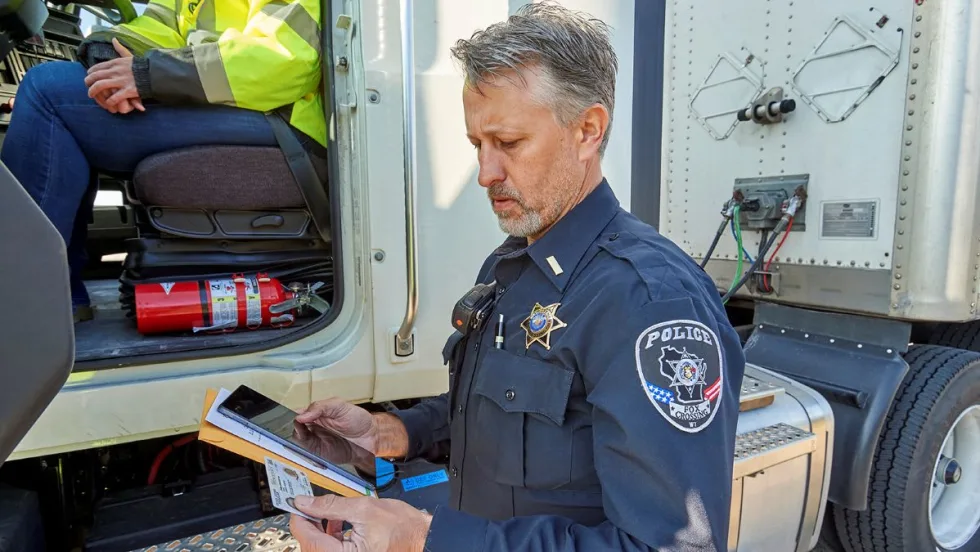
When Language Stops the Truck: The Return of ELP Out-of-Service Orders
English language proficiency rules for commercial drivers aren’t new, but renewed out-of-service enforcement has raised the stakes. Here’s what carriers need to know before a driver reaches a roadside inspection.
Read More →
Samsara Launches Custom AI Agent Builder
Agent Studio lets fleets create AI tools for hours-of-service monitoring, reporting and driver support, including agents that communicate by phone.
Read More →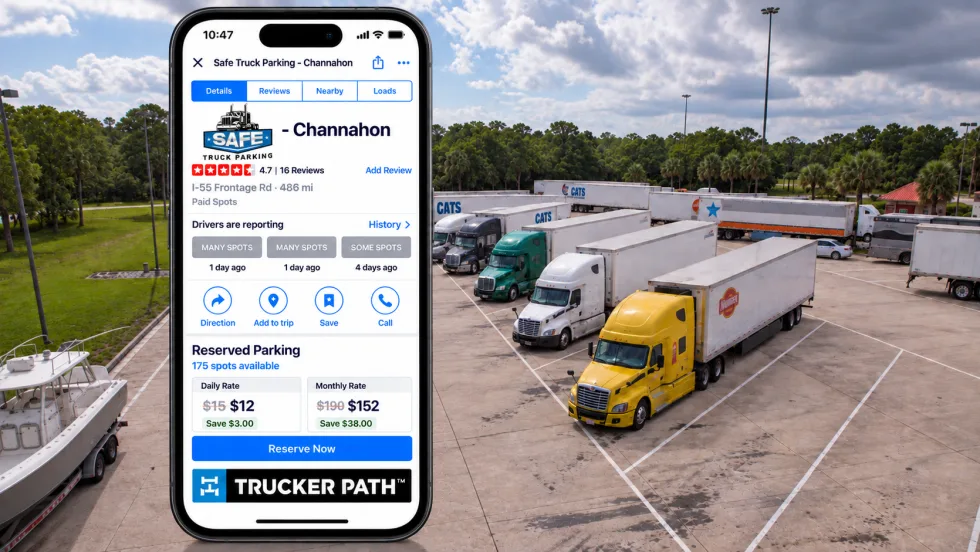
Trucker Path Expands Reserved Parking Network
Trucker Path has added close to 6,000 more truck parking spaces to its Trucker Path Reserved Parking Network with the addition of Safe Truck Parking.
Read More →
EEOC Sues Texas Trucking Company Over Driver Age Limits
The agency says Trancasa USA rejected applicants over 65 and applied tougher driving-record standards to those over 60.
Read More →
Nussbaum, Roehl Announce Second Driver Pay Increase This Year
This year has seen a swath of major truck driver pay increases as freight capacity has tightened.
Read More →
From One Generation to the Next: How Mentorship Builds Safer Truck Drivers
After three decades in trucking, Harold Perry shares what he's learned about driver safety, mentorship, and helping the next generation build confidence behind the wheel.
Read More →
Truck Drivers Need More Than Another Alert
Fleets have more visibility into truck health, safety events, and driver activity than ever. The next challenge is turning all that information into useful guidance for the person who has to decide what to do next.
Read More →
FMCSA Removes 110 Truck Driver Training Schools from Certified ELDT List
Federal regulators also are targeting more than 160 additional training providers and launching a nationwide audit of third-party CDL skills testers as part of a broader crackdown on trucking fraud.
Read More →
Hours of Service Pilot Programs: FMCSA Readies for 2027 Rollout
Two pilot programs could eventually reshape hours-of-service rules, giving truck drivers options to pause their 14-hour clock or use longer split sleeper rest periods.
Read More →
Medical Cards, English Proficiency Reshape Roadcheck Violations
Medical-card violations jumped to the top of the driver out-of-service list during CVSA’s 2026 International Roadcheck, while English-language proficiency violations appeared among the leading violations for the first time.
Read More →