




Judge Rules Against Old Dominion in EEOC Case
A federal judge in Arkansas has ruled against Old Dominion Freight Line in a case over a truck driver who self-reported alcohol abuse and the company’s “no return” policy for drivers who suffer from such problems.
Old Dominion Freight Line's policy of not allowing drivers back behind the wheel after treatment for alcoholism was found to violate the Americans with Disabilities Act.
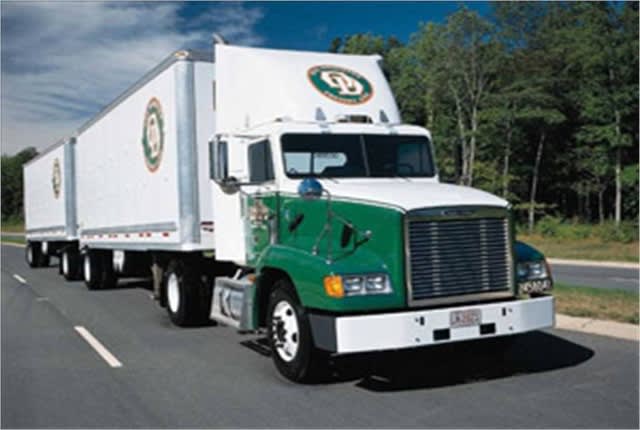
Old Dominion Freight Line's policy of not allowing drivers back behind the wheel after treatment for alcoholism was found to violate the Americans with Disabilities Act.
A federal judge in Arkansas has ruled against Old Dominion Freight Line in a case over a truck driver who self-reported alcohol abuse and the company’s “no return” policy for drivers who suffer from such problems.
The case was brought by the U.S. Equal Employment Opportunity Commission nearly a year ago. The agency claimed the carrier violated the Americans With Disabilities Act.
The driver at the Fort Smith location had worked for the company for five years without incident. In late June 2009, the employee reported to the company that he believed he had an alcohol problem. Under U.S. Department of Transportation regulations, the employer suspended the employee from his driving position and referred him for substance abuse counseling.
ODFL also informed the driver that the employer would never return him to a driving position, even upon the successful completion of a counseling program. During the investigation, the EEOC says it discovered drivers at other service centers whom the employer had allegedly subjected to similar treatment.
The judge agreed with EEOC's claim that alcoholism is a recognized disability under the Americans With Disabilities Act and therefore ODFL's policy violates this federal law.
The case has yet to be concluded. The EEOC is seeking monetary relief in the form of reinstatement to a driving position, back pay and compensatory and punitive damages, compensation for lost benefits for two drivers and an injunction against future discrimination.
More Drivers

EEOC Sues Texas Trucking Company Over Driver Age Limits
The agency says Trancasa USA rejected applicants over 65 and applied tougher driving-record standards to those over 60.
Read More →
Nussbaum, Roehl Announce Second Driver Pay Increase This Year
This year has seen a swath of major truck driver pay increases as freight capacity has tightened.
Read More →
From One Generation to the Next: How Mentorship Builds Safer Truck Drivers
After three decades in trucking, Harold Perry shares what he's learned about driver safety, mentorship, and helping the next generation build confidence behind the wheel.
Read More →
Truck Drivers Need More Than Another Alert
Fleets have more visibility into truck health, safety events, and driver activity than ever. The next challenge is turning all that information into useful guidance for the person who has to decide what to do next.
Read More →
FMCSA Removes 110 Truck Driver Training Schools from Certified ELDT List
Federal regulators also are targeting more than 160 additional training providers and launching a nationwide audit of third-party CDL skills testers as part of a broader crackdown on trucking fraud.
Read More →
Hours of Service Pilot Programs: FMCSA Readies for 2027 Rollout
Two pilot programs could eventually reshape hours-of-service rules, giving truck drivers options to pause their 14-hour clock or use longer split sleeper rest periods.
Read More →
Medical Cards, English Proficiency Reshape Roadcheck Violations
Medical-card violations jumped to the top of the driver out-of-service list during CVSA’s 2026 International Roadcheck, while English-language proficiency violations appeared among the leading violations for the first time.
Read More →
Driver Trust Can Make or Break the Success of Fleet Safety Technology
New Teletrac Navman research suggests that onboarding, transparency about driver data, and positive feedback can play a significant role in how commercial drivers respond to safety and coaching technology.
Read More →
EEOC Sues KLLM Over Alleged Sex Discrimination in Driver Training
KLLM is facing a federal sex-discrimination lawsuit over policies the EEOC alleges put female truck driver trainees at a disadvantage.
Read More →
FMCSA Moves to Codify English Language Requirements for Commercial Drivers
By changing regulations on English-language proficiency requirements for commercial drivers, rather than relying on a guidance memo, the FMCSA said future administrations won't be able to walk back the Trump administration's stricter enforcement with just a memo.
Read More →