




J.D. Power: Cat, Cummins Rank Highest in Customer Satisfaction
Caterpillar and Cummins rank highest in satisfying customers with heavy-duty truck engines and transmissions, in their respective segments, according to the J.D. Power and Associates 2007 Heavy-Duty Truck Engine/Transmission Study
Caterpillar and Cummins rank highest in satisfying customers with heavy-duty truck engines and transmissions, in their respective segments, according to the J.D. Power and Associates 2007 Heavy-Duty Truck Engine/Transmission Study
released Tuesday.
The study, now in its 11th year, measures customer satisfaction with engines in two-year-old heavy-duty trucks (Class 8) by examining four vital engine factors. They are (in order of importance): engine quality (30 percent); engine performance (26 percent); engine cost of ownership (22 percent); and engine warranty (22 percent).
The 2007 study includes engines equipped in 2005 model-year trucks, the second model year impacted by the Consent Decree that raised diesel engine emission standards. Customer satisfaction with heavy-duty truck engines is measured in the Vocational segment - defined as truck body types used in rugged job applications, such as dump trucks, concrete mixers, and garbage/refuse recycling trucks - and the Pickup and Delivery segment. Pickup and delivery trucks are defined as non-vocational daycabs, typically used for city stop-and-go applications with a return to home base each night.
Cummins ranks highest in customer satisfaction in the heavy engine vocational segment with an overall index score of 750 on a 1,000-point scale. Cummins performs particularly well in the engine warranty, engine performance and cost of ownership factors. Caterpillar closely follows Cummins in the segment with a score of 747, performing particularly well in engine quality.
Caterpillar ranks highest in customer satisfaction in the heavy engine pickup and delivery segment with an index score of 754, performing well across each of the four engine factors. Caterpillar performs particularly well in the engine quality and engine performance factors.
The study also finds that heavy-duty truck maintainers are reporting fewer problems with their engines than they did in 2006 - although problem incidence remains much higher than with pre-emission regulation 2003 model-year trucks. Industrywide, the average number of reported engine problems is 59 PP100 (engine problems per 100 vehicles) - down from an average of 70 PP100 in 2006, but still well above the average of 46 PP100 reported prior to the new emission standards.
Several engine components show year-over-year quality improvements in the 2007 study. Two of the biggest improvements are for fuel injectors and turbochargers, which experienced large declines in quality in the 2006 study. Problem mentions for each of these components have declined by nearly 50 percent in 2007.
The most frequently cited engine problem for a second consecutive year is the exhaust gas recirculation (EGR) valve, which accounts for 17 percent of all engine-related problems reported - a slight increase compared to the 2006 study.
"We saw a large jump in problems from 2005 to 2006 as manufacturers introduced new technologies to meet the emissions regulations," said Brian Etchells, senior research manager in the commercial vehicle group at J.D. Power and Associates. "New technologies always introduce the possibility for more problems, so we were not surprised to see that in 2006. As expected, in 2007, we're now starting to see those problem counts gradually decline."
The study finds that customers are most satisfied with the performance of their engines, and least satisfied with the costs of ownership. In general, customers are dissatisfied with both the fuel economy of their heavy engines and with the cost of routine engine maintenance.
"New emission technology adds to the initial price of an engine, and also adds to the cost of maintenance through additional filters and components that need to be serviced," said Etchells. "Moving forward, an engine manufacturer that develops an emission technology that requires less maintenance or provides better fuel economy compared to competitors could really differentiate itself in the marketplace. It will be interesting to see how the different approaches employed by engine manufacturers to meet the increasingly strict emission regulations fulfill customer expectations for engine performance, quality and ownership costs."
The 2007 Heavy-Duty Truck Engine/Transmission Study is based on the responses of 2,677 primary maintainers of two-year-old heavy-duty trucks.
More Aftermarket
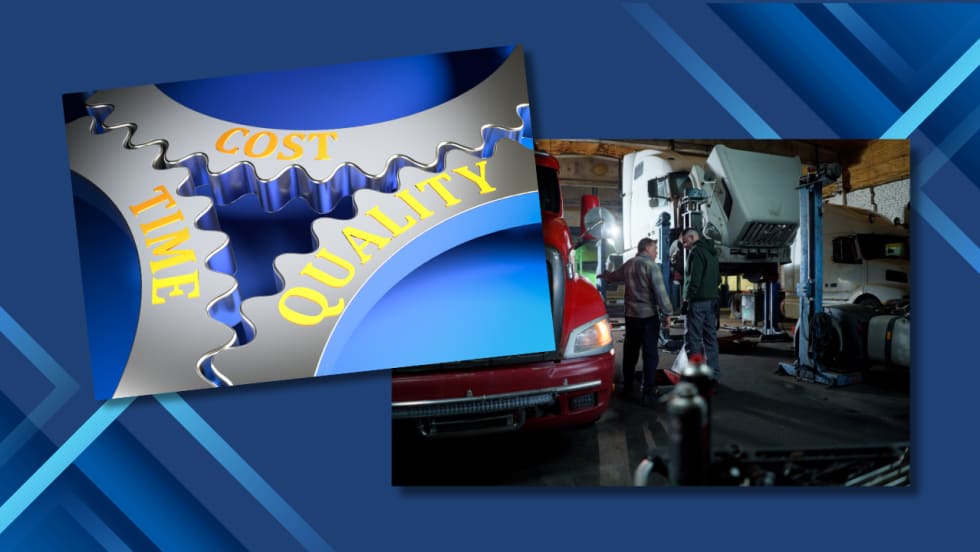
What Three Fleets Are Doing Differently When Buying Truck Parts in 2026
With freight improving but costs still climbing, fleet maintenance executives explain how they're balancing price, quality, and supplier relationships.
Read More →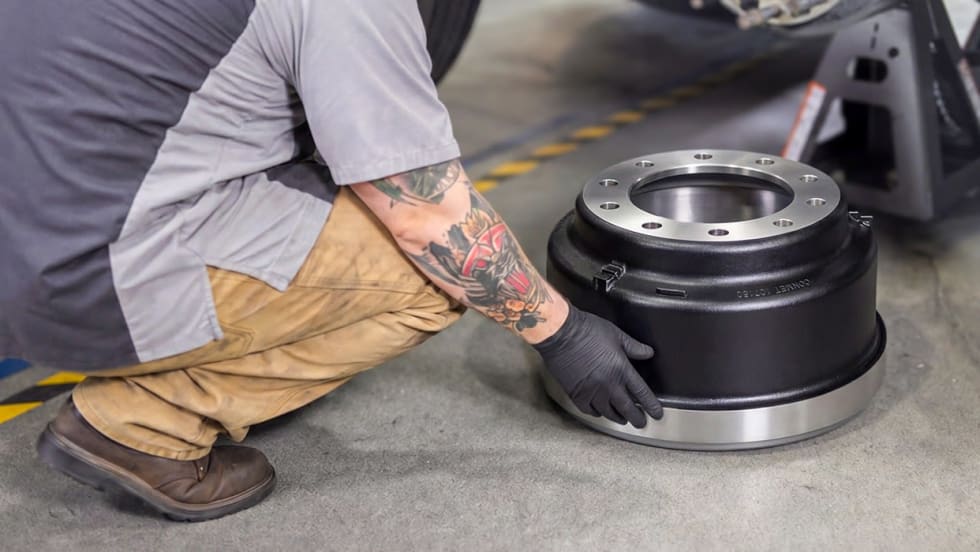
ConMet Expands Aftermarket Brake Drum Lineup With TruCast
A new heavy-duty truck brake drum option in the aftermarket gives customers more flexibility within the ConMet product family.
Read More →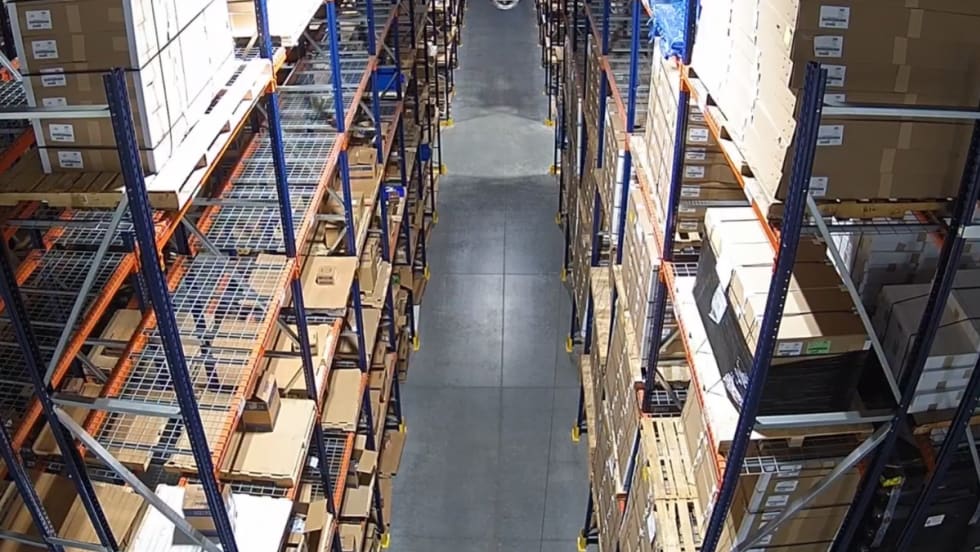
Phillips Opens High-Tech Distribution Center for Faster Parts Delivery
Phillips Industries’ new Cincinnati-area distribution center is now shipping aftermarket trucking parts nationwide, aiming to speed up delivery times for customers.
Read More →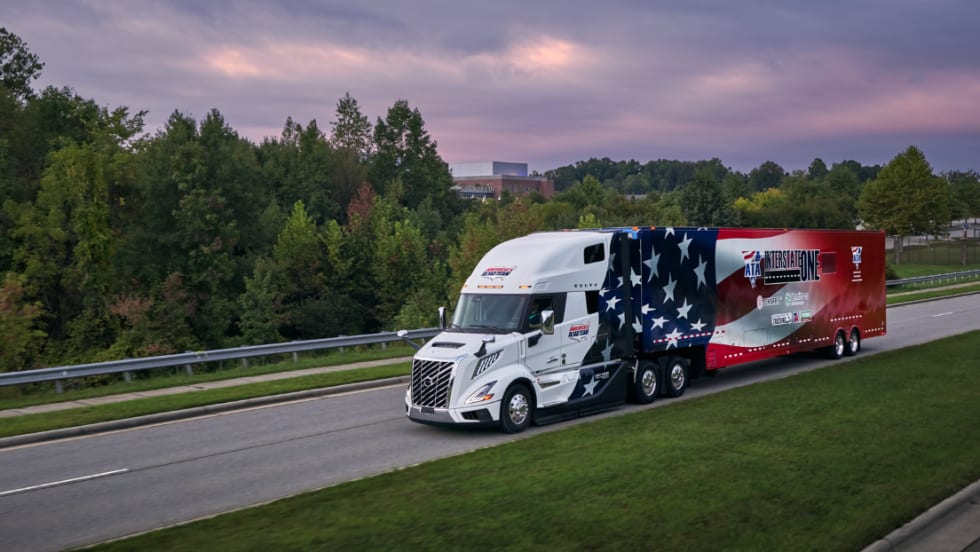
Volvo to Sponsor America’s Road Team for 2025
Volvo Trucks announced that it is extending its exclusive sponsorship of America’s Road Team for 2025.
Read More →
Webb to Start Taking Orders for UltraSet Pre-Adjusted Wheel Hubs
Webb, which recently acquired the Stemco Trifecta pre-adjusted hub program, will soon start taking orders for its replacement pre-assembled hub, the UltraSet.
Read More →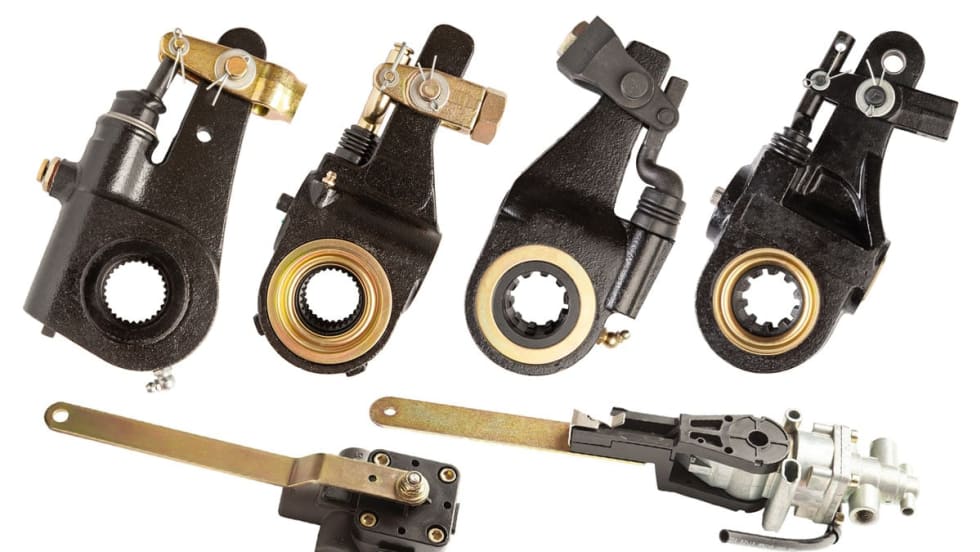
All-Makes Automatic Brake Adjusters, Ride Height Control Valves from Midland
SAF-Holland has added automatic brake adjusters and ride height control valves to its Midland All-Makes Program.
Read More →
ZF Aftermarket Expands [pro]Academy Training
ZF Aftermarket said it is expanding its ZF [pro]Academy training and will be adding 40 new modules this year.
Read More →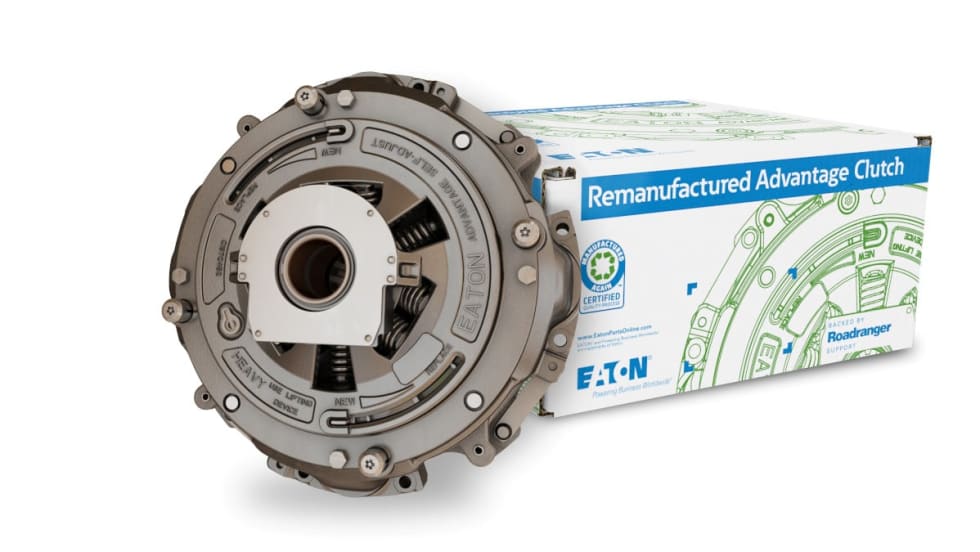
Eaton Adds Remanufactured Advantage Line of Clutches
Eaton has added its Advantage clutches to its remanufactured product line. The clutches feature a unique strap drive intermediate plate designed to allow customers to choose the latest OE specification
Read More →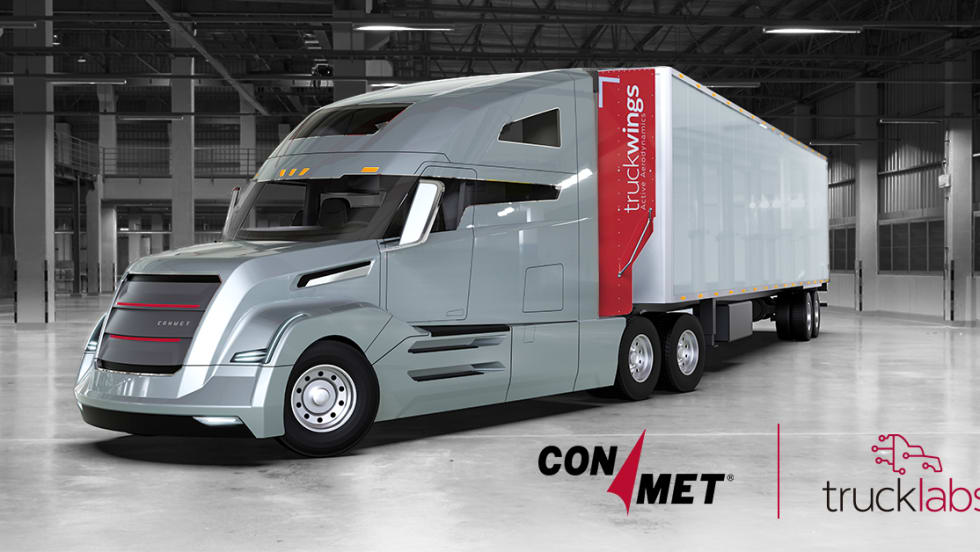
ConMet Acquires TruckLabs, the Creator of TruckWings
Commercial truck and trailer parts provider ConMet acquired TruckLabs, the company that created TruckWings, an aerodynamic device that attaches to truck cabs and deploys to close the gap between truck and trailer. TruckLabs now operates as a subsidiary of ConMet.
Read More →
Diesel Laptops Releases Fault-Code-to-Part-Number Tool
Diesel Laptops said its Truck Fault Codes allows users to input a fault code and immediately identify and order the parts needed to complete repair work.
Read More →