




J.J. Keller Self-Certifies Mobile ELD Solution
J.J. Keller & Associations has announced that its Mobile ELog solution has been self-certified and added to the Federal Motor Carrier Safety Administration’s ELD registry.
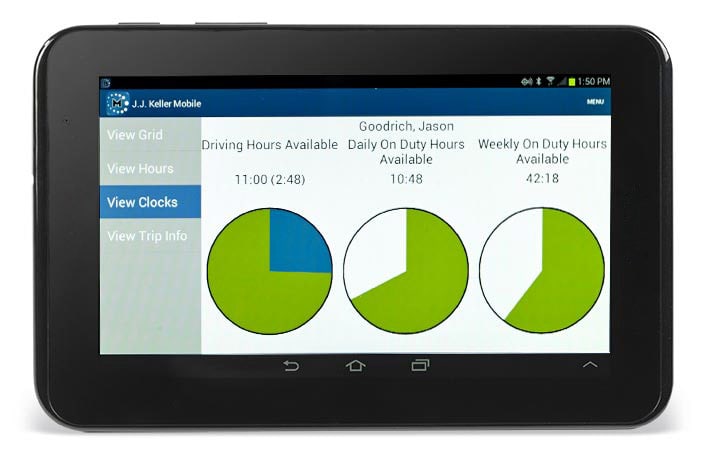
Photo: J.J. Keller & Associates
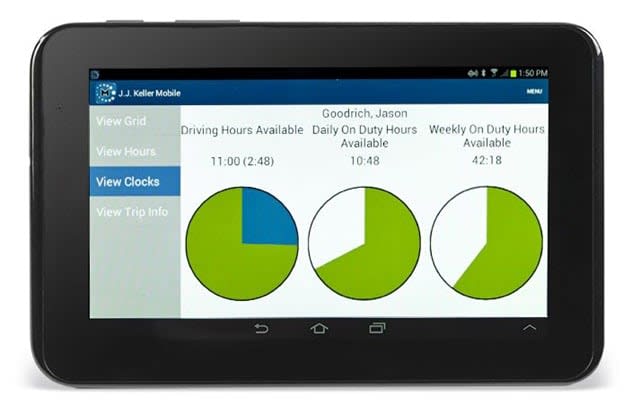
Photo: J.J. Keller & Associates
J.J. Keller & Associations has announced that its Mobile ELog solution has been self-certified and added to the Federal Motor Carrier Safety Administration’s ELD registry.
The company’s Mobile ELog solution for Android devices and the Compliance Tablet were both included on the FMCSA registry.
According to the ELD mandate, any electronic logging device placed into service as of Dec. 18, 2017 must be self-certified and registered with FMCSA. The self-certification process confirms that the ELD solution is able to accurately capture and store a driver’s hours of service and make this information usable to enforcement personnel during roadside inspections and audits.
J.J. Keller’s Encompass Fleet Management System with ELogs offers over-the-air updates to ensure compliance with regulatory changes. The system is compatible with all vehicle classes and many smart devices and includes multiple hours of service rule sets. J.J. Keller offers customers options from only ELogs to full performance management.
“The J. J. Keller ELog System delivers a compliant solution that meets FMCSA’s technical requirements while offering the operational flexibility to help carriers maximize driver hours in compliance with complex Hours of Service regulations,” said Rustin Keller, executive vice president and chief operating officer for J. J. Keller & Associates. “We are particularly excited that we are able to self-certify our existing hardware and thrilled to tell customers that no hardware upgrade is necessary to meet the ELD mandate.”
More Fleet Management
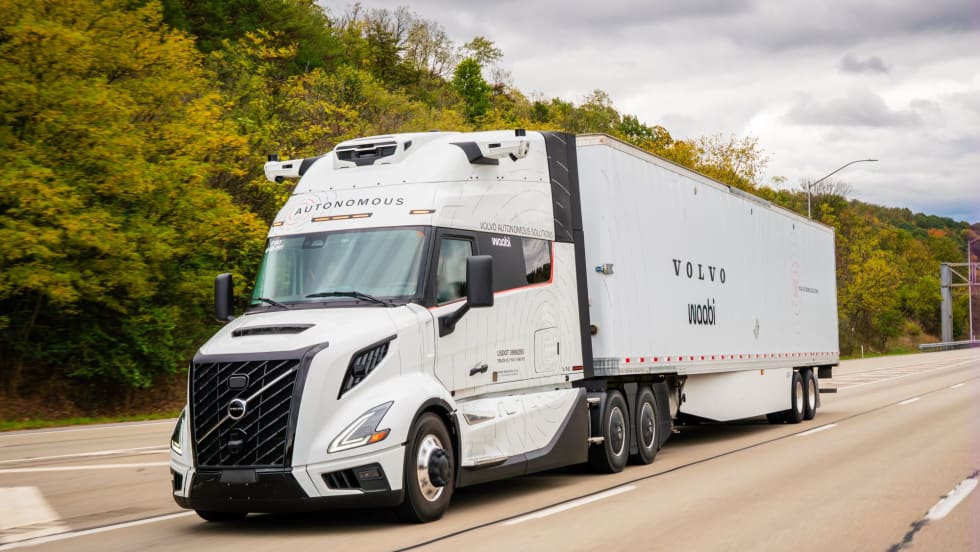
Volvo, Waabi Start Commercial Autonomous Operations in Texas
Volvo VNL Autonomous trucks, powered by the Waabi Driver, are hauling freight directly to third-party facilities for a customer in Texas.
Read More →
Samsara Launches Custom AI Agent Builder
Agent Studio lets fleets create AI tools for hours-of-service monitoring, reporting and driver support, including agents that communicate by phone.
Read More →
Geotab Links Fleet Card to Vehicle Data
The new card combines fuel discounts with telematics-based purchase controls. Geotab’s analysis also points to potential savings from choosing lower-priced fuel stops.
Read More →
How MFA Helps Protect Trucking Fleets
Multi-factor authentication adds protection when passwords are stolen. Here’s how it works and where fleets should start.
Read More →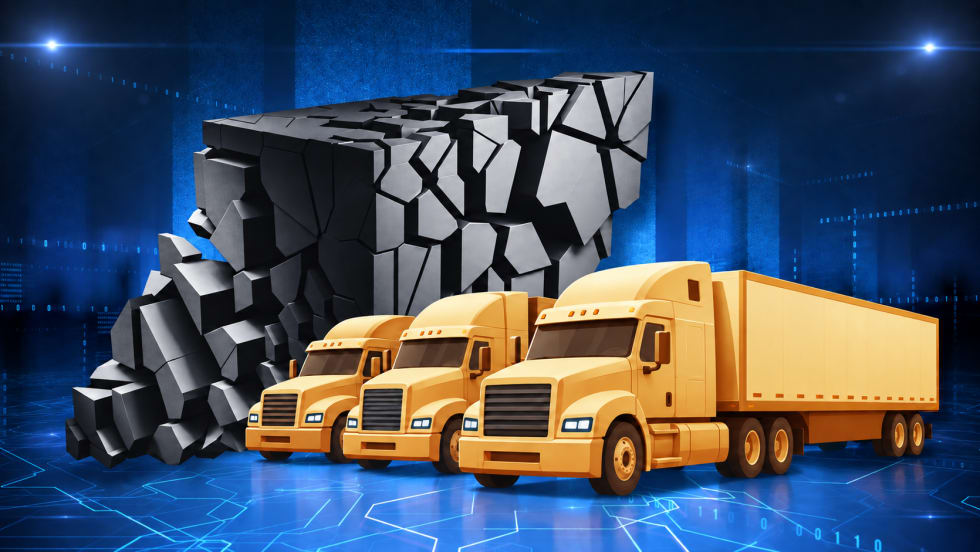
How Better Freight Data Helps Trucking Teams Get Ahead of Disruption
Trucking and logistics teams have plenty of data. The problem is getting the right information in front of the right people soon enough to act. Better-connected data can help teams spot trouble earlier and make smarter decisions before small problems become big ones.
Read More →
Trimble: Taking Artificial Intelligence in Trucking Beyond Faster Tasks
At Insight 2026, Trimble executives argued that fleets may need to redesign workflows to get more from AI as it introduced new products and enhancements. AI’s value will depend on how fleets combine automation with their people's knowledge.
Read More →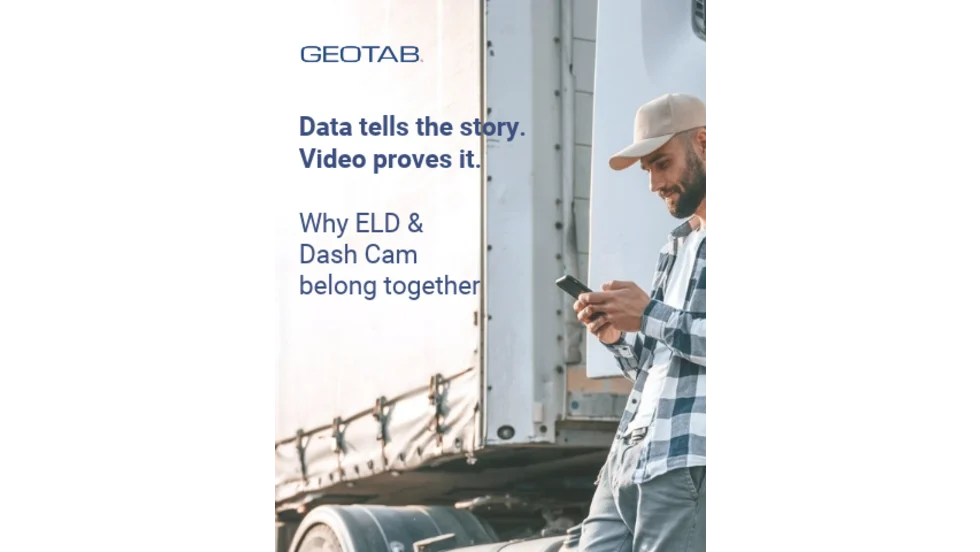
Build a bulletproof fleet: Uniting ELDs and dash cams for total compliance
An ELD can prove compliance, but it cannot always prove what happened on the road. Discover how uniting accurate ELD data with AI-powered dash cam video can help your fleet strengthen compliance, defend against liability, protect drivers and reduce operational costs.
Read More →
Nominations Open for HDT Emerging Leaders
Heavy Duty Trucking is looking for accomplished trucking fleet professionals under 40 who are making an impact and helping lead the industry forward.
Read More →
Why Private Fleets Are Taking More Freight
Private fleets are putting their own trucks on demanding customers and high-cost lanes as companies seek greater control over service, costs, and capacity.
Read More →
Color Match Smarter: Tools That Restore & Perform
For fleet managers and collision repair professionals keeping heavy-duty trucks on the road, getting the color right the first time isn't just about appearance — it's about efficiency, turnaround time, and bottom-line results. Discover how today's digital color tools are transforming the repair process from guesswork to precision.
Read More →