




Is the Largest Truck Prebuy Ever on the Horizon?
An ACT Research study indicates that trucking will be hit with a major prebuy before the next round of EPA emission regulations hit in 2027. HDT sits down with ACT Research’s senior analyst to get the scoop.


Kenny Vieth, president and senior analyst at ACT Research, said that for the first time, new, mandated warranties will be the main factor driving up new truck costs when the 2027 EPA diesel exhaust emission regulations become law.
Image: HDT Graphic
A new report issued by ACT Research has found that a significant “prebuy” of Class 8 trucks is likely before the Environmental Protection Agency’s next round of emissions regulations targeting diesel exhaust become law in 2027.
The study, “Bigger Than Ever?: The Higher the Cost, The Bigger the Prebuy,” analyzes the EPA’s Notice of Proposed Rulemaking for Heavy-Duty Engine and Vehicle Standards and its likely impact on the U.S. truck manufacturing and freight transportation industries.
Based on that research, ACT analysts believe the new standards will likely result in the largest truck prebuy ever, beginning sometime in 2025 or 2026.
“The coming prebuys will have large effects on commercial vehicle volumes and industry employment, which will have to be ramped to fulfill demand, only to be followed by significant job cuts and industry financial performance,“ according to Tim Denoyer, vice president and senior analyst at ACT Research.
“Prebuying adds surplus capacity, which will weigh on freight rates in 2026 and 2027, perhaps materially impacting the trucking industry’s financial performance for a couple of years. From a long-term perspective, the cost of equipment is a rising barrier to entry that should support industry health and development of clean technologies.”
The report builds upon earlier studies of commercial vehicle prebuying behavior, and presents and compares three scenarios based on a number different potential costs and factors, including: labor and emissions impact, prebuy/lowbuy model methodology (including tractor prebuy estimates), prebuy model outputs, lowbuy effects, and trucking industry sizing and freight rate impact
Modeling the 2027 Truck Prebuy
In describing ACT’s prebuy modeling methodology, Kenny Vieth, president and senior analyst at ACT Research, said the factors considered were straightforward in nature.
“We simply looked at things such as, how much is it going to cost to operate? Are those costs mitigated by improved operating characteristics? And does the trucking industry have the wherewithal to do something about it?”
If the answer to the first question is “biggest ever” and the answer to the second is “no mitigation,” the conditions are in place to warrant a major prebuy, Vieth added.
Ultimately, Vieth said, the final resolution of prebuy size will be determined by where the economy is in 2025-2026, and based on ACT’s analysis, the ability of commercial vehicle supply chains to meet what ACT Research foresees as record demand ahead of the prebuy.
Q&A with ACT Research's President and Senior Analyst
HDT reached out to Vieth for insights on what conditions he’s looking for heading into 2027 and what fleets can expect in terms of a prebuy. Read the Q&A below.
HDT: You have a lot of data backing up your prediction for a prebuy in 2025 and 2026. But I wonder if trucking is simply at a point where prebuys are basically a standard business practice ahead of new emissions regulations?
Vieth: Well… We think there are some basic economic factors that have to be in place before a major prebuy can occur: Truckers’ willingness and ability to purchase large numbers of trucks. When the EPA 2007 regulations were about to become law, initial estimates showed that there was going to be around an $8,000 price increase per truck for new emissions technology, and those trucks would get incrementally worse fuel economy. So that provided the willingness on the part of fleets to initiate a prebuy.
At the same time, fleets also had the ability to prebuy trucks. This was due to a variety of factors, including the housing bubble at the time, the first truly acute driver shortage in the industry, and good freight rates.
So, at the end of the day, the 2007 emissions mandates hit fleets right at the top of that cycle’s profit arc. So, they had both the willingness and the ability to prebuy trucks – and we had the largest prebuy ever up to that point, as a result.
HDT: Do you see similar factors in play today, leading up to 2027?
Vieth: If you flash-forward to the 2027 mandate, it currently looks a lot like the California Air Resource Board (CARB) regulations that will come into law on January 1, 2024. And that means that this time we’re not just looking at technology, but other factors that will drive costs up, as well to achieve lower nitrous oxide (NOx) diesel emissions.
We don’t know for sure just yet, but the scuttlebutt is that on the tech side of things we’re going to be looking at new, dual-dosing selective catalytic reduction (SCR) systems which will double the rate of consumption for diesel exhaust fluid (DEF).
And we’ll likely see some form of diesel engine cylinder deactivation technology to get engines hot as soon as possible and make downstream emissions reduction systems much more effective a lower vehicle speeds. We’ve had cylinder deactivation on North American pickup trucks for a long time, now. But that technology still has to be put to the test in long-haul trucking applications running 100,000 miles a year or more.
Generally speaking, those technology mandates aren’t as big of a shock the system as we saw in 2007 or 2010. But what will be new are significant, mandated, warranty extensions on emissions control systems. Those warranties will likely go from two years/250,000 miles (where we are today) increasing to 400,000 miles in 2027 and topping out at 600,000 miles in 2031. And that won’t just be on long-haul trucks. These increased warranties will hit the vocational fleets, as well.
HDT: I gather the warranty issue will be where the real cost increases come from?
Vieth: Right. If we look at the dual-dosing SCR system, cylinder deactivation and a few other bells and whistles, we’re taking a fairly minor upcharge for these new trucks – around $5,000 per unit.
But, the more expensive problem are the warranty extensions. Just like any business, OEMs have a fiduciary responsibility to their shareholders to earn a profit. So they’re not going to be in a position to say these warranty extensions are no big in terms of both length and duration and not charge more for then. And we believe in that case, we’re looking at price increases between $10,000 and $15,000 per truck.
Add that in with technology upcharges, taxes and fees, and suddenly we’re talking about trucks that will cost an extra $20,000 to $25,000.
HDT: So, there’s the “willingness’ box checked, right there.
Vieth: Yes. And we also think that subsequently, this will happen just as the freight cycle is rolling over – as it generally does every six quarters. That means that the next freight cycle will be the one that affects the ability of fleets to prebuy trucks. And we believe that based on where we are in the current freight cycle, business conditions for fleets will hit perfectly with the EPA regulations and their willingness to prebuy trucks.
HDT: Are there any positives for fleets that you see in this scenario?
Vieth: We do believe that over the course of their lives, these 2027 trucks will likely get 20% better fuel economy than today’s models do. That’s pretty significant savings. But that really doesn’t help much with upfront acquisition costs.
The other thing is that we don’t really know yet quite where EPA will go with these new regulations. We’re still in the “proposed rule-making” part of the process where nothing is finalized. So, it’s important to remember that we’re assuming EPA will align with the 2024 CARB regulations, simply because they will recognize that national emissions standards will be easier and more manageable than state-by-state, dual standards. And this report is based on the conditions we believe we’re most likely to see in the next four or five years. But things could change significantly before we reach 2027.
More Fleet Management
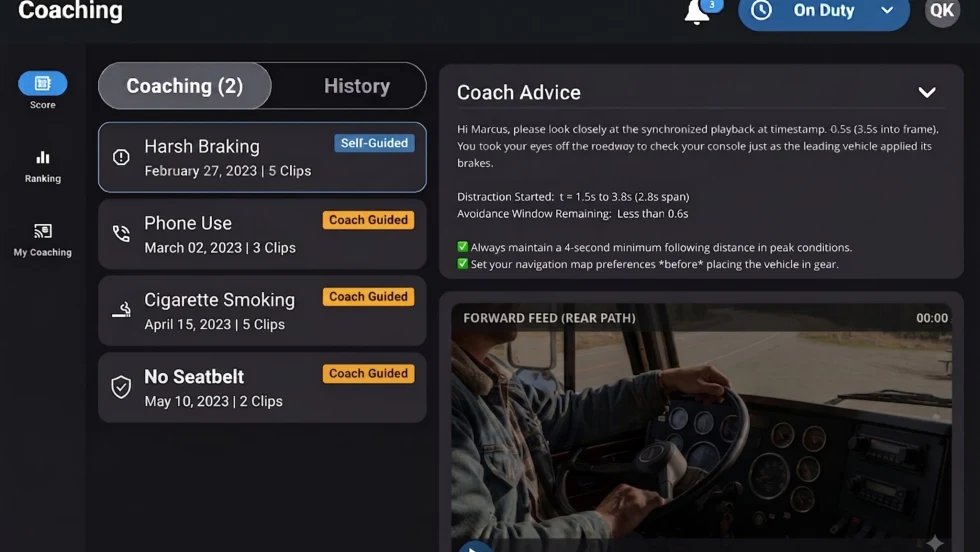
Platform Science Adds Dispatch and Safety Tools
Four additions to PS Fleet help fleets monitor loads, manage driver coaching, share truck locations and adjust video system settings.
Read More →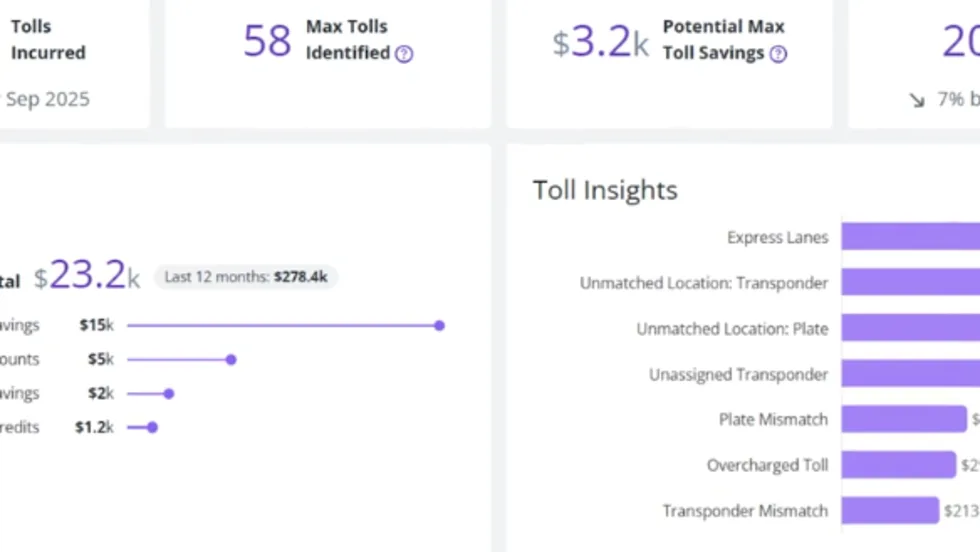
PrePass Intelligence Mines Fleet Bypass, Toll and Safety Data
PrePass Intelligence helps fleets measure bypass savings, flag potential toll overcharges, and spot suspicious transactions by combining data from separate systems.
Read More →
Motive Adds AI Agents for Fleet Operations
New tools automate follow-up on fleet data, from maintenance work orders to driver alerts, with two-way voice conversations planned for later this year.
Read More →
Can You Beat Our Trucking Trivia Challenge?
Test your truck knowledge with 19 trivia questions from Heavy Duty Trucking Exchange. Can you keep up with the fleet pros?
Read More →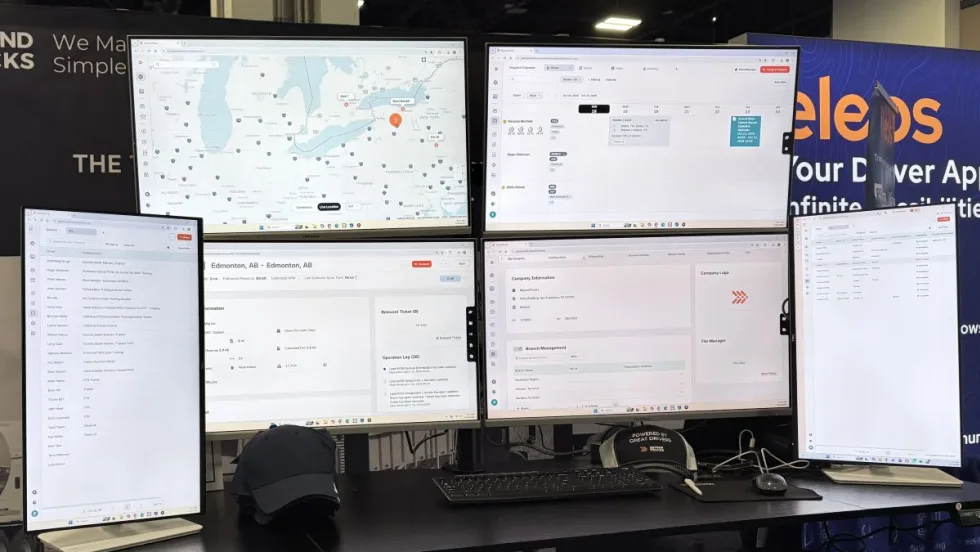
BeyondTrucks Adds Rules Checks to Dispatch
New Compatibility Engine checks driver qualifications, equipment requirements and fleet policies before loads are dispatched.
Read More →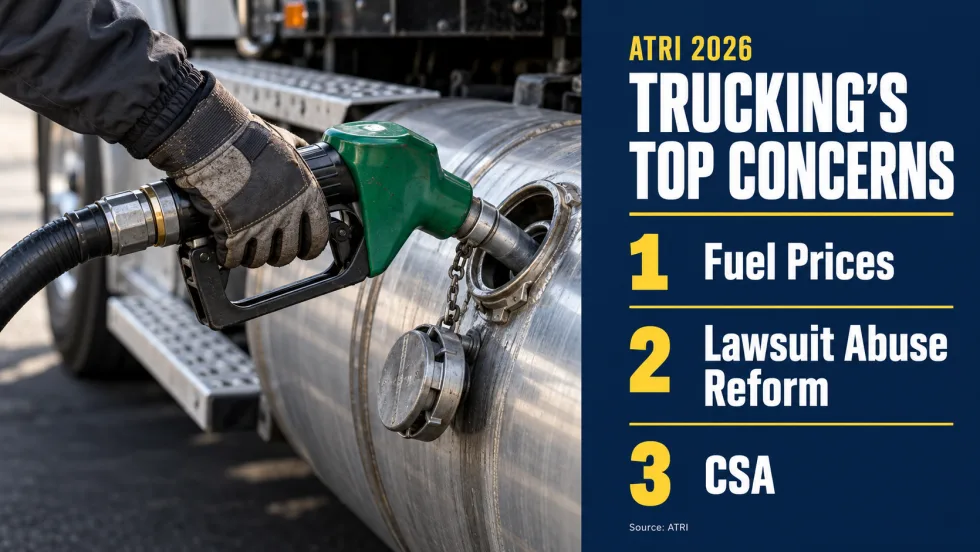
Diesel Prices Hijack Trucking’s Worry List
ATRI’s annual survey finds cautious optimism about freight, but diesel costs, litigation, and insurance continue to squeeze fleets. Drivers have different priorities on several issues.
Read More →
Nomination Deadline Extended for HDT Emerging Leaders
Just a few more days to nominate accomplished trucking fleet professionals under 40 who are making an impact and helping lead the industry forward for the HDT Emerging Leaders award. Deadline extended to October 20!
Read More →
What Will ATA’s New Leader Bring to Trucking's Table?
Incoming President and CEO Mark Colson’s record in Alabama offers clues about his priorities and approach following Chris Spear’s abrupt departure as the head of the American Trucking Associations.
Read More →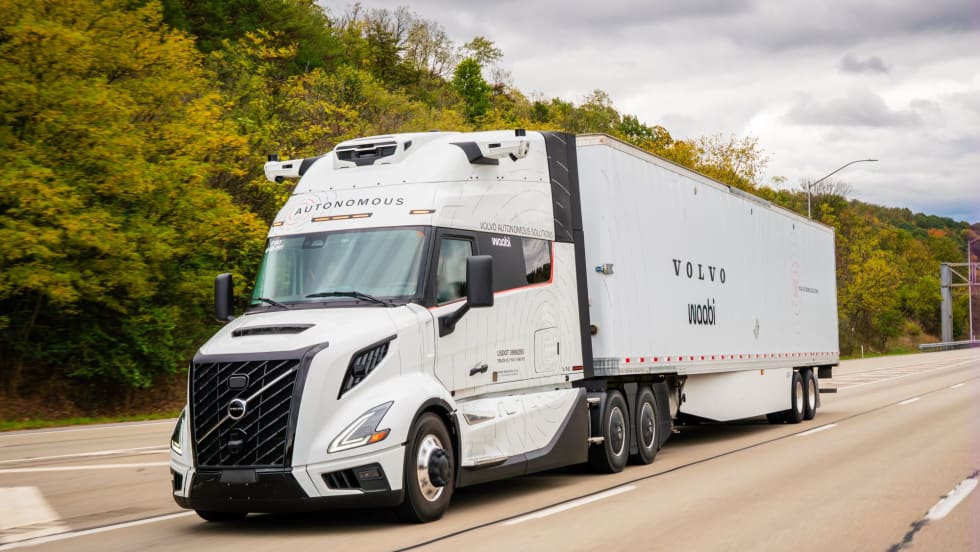
Volvo, Waabi Start Commercial Autonomous Operations in Texas
Volvo VNL Autonomous trucks, powered by the Waabi Driver, are hauling freight directly to third-party facilities for a customer in Texas.
Read More →
Samsara Launches Custom AI Agent Builder
Agent Studio lets fleets create AI tools for hours-of-service monitoring, reporting and driver support, including agents that communicate by phone.
Read More →