




Inspector General: Safety Program Still Needs Improvements
The Department of Transportation’s truck safety program is getting better but still has a way to go, says the DOT Inspector General in a critique to be released today. The agency that runs the program, the Federal Motor Carrier Safety Administration, needs to speed up its rulemaking machinery
The Department of Transportation’s truck safety program is getting better but still has a way to go, says the DOT Inspector General in a critique to be released today.
The agency that runs the program, the Federal Motor Carrier Safety Administration, needs to speed up its rulemaking machinery,
said Inspector General Kenneth Mead. It also needs to improve the commercial drivers license system and bring more resources to bear on Mexican border crossings.
On hours of service reform, Mead said the agency should make revisions "as appropriate" to its proposed rule. He favors onboard electronic recorders to track driver hours – they "have a significant safety value," he said.
Mead's report, which covers all of DOT's agencies, comes in response to a request from Congress that he identify the top management challenges at DOT.
Overall, aviation is the largest concern. With the national airline system bumping up against capacity, complaints about delays and cancellations have escalated and officials are seeing disturbing indications of safety problems. The department needs to develop a strategic plan to address this over the next couple of years, and in the longer term, Mead said.
The truck and bus safety agency has shown progress since it was created a year ago, according to the report. Besides proposing hours of service reforms, it has increased enforcement activity, gotten tougher on state management of CDL programs, and issued several rules that crack down on scofflaw truckers. Just last week, with the National Highway Traffic Safety Administration, it began an important study of the causes of truck accidents.
In his report, Mead returned to a point he has been making for several years. His congressional testimony in 1998 and 1999 criticized FMCSA’s predecessor, the Office of Motor Carrier Safety, for performance shortcomings due, in part, to a lack of leadership.
Mead said there is "keen interest" in how the agency fills its leadership positions. He noted, as FMCSA Acting Assistant Administrator Julie Anna Cirillo recently disclosed, that the senior management posts in the agency have been filled.
His message: Leadership is key to strong enforcement. "Strong enforcement, including shut down orders, is needed for the minority of carriers that are egregious offenders and a risk to public safety, but educational/outreach efforts are perfectly appropriate where they work."
Mead said that CDL "scandals and scams are occurring at an alarming rate." Besides the well-publicized investigations in Illinois and Florida, he noted problems as well in Georgia and North Carolina.
None of this is a surprise to the agency, which according to Cirillo has a big package of CDL reform proposals due for release soon. Among them will be tougher performance standards for professional drivers, and improvements in the information systems that link state and federal CDL data bases.
Mead's observation on the Mexican border situation may play into an upcoming policy debate on opening the border to truck traffic. His assessment that "there are still significant shortfalls in federal border inspection staffing and facilities" could be a factor as the Bush administration considers changing the U.S. policy that has kept the border closed.
Still, the situation has improved, thanks to recent efforts to beef up enforcement along the border. FMCSA data show that Mexican trucks in California have a 25% out-of-service rate – the same as the overall U.S. rate. And New Mexico is close with 28%. But the rate in Texas, where traffic is heavy, is 39%, and it’s 39% in Arizona, too.
Mead also noted that a small number of Mexican trucks continue to operate in the U.S. without authority.
More Drivers
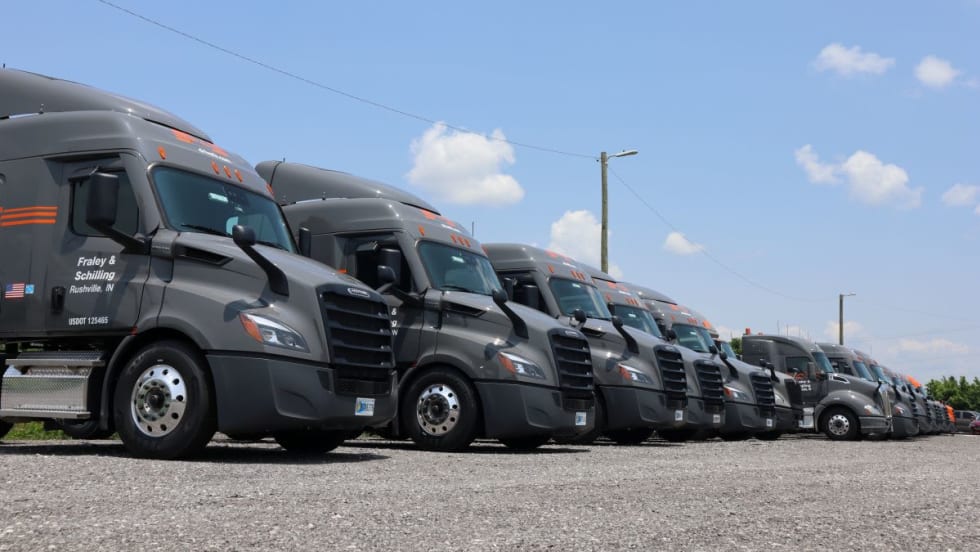
How Fraley & Schilling Improved Logbook Compliance by Over 50%
Fraley & Schilling needed a way to close a compliance workflow gap in its ELD system without adding more work from driver training, reminders, and back-office follow-ups. It found the answer in a custom driver app.
Read More →
Volvo Goes Gaming
Volvo has roared into American Truck Simulator with two new flagship trucks.
Read More →
What the Best Fleets to Drive For Teach About Driver Retention
Survey fatigue, AI-powered routing, owner-operator expectations, and the decline of social media all emerged as themes from this year's Best Fleets to Drive For program.
Read More →
Driver Retention Lessons From the Best Fleets to Drive For
What separates trucking's best workplaces from the rest? Jane Jazrawy shares the biggest lessons from this year's Best Fleets to Drive For program on driver retention, communication, AI, and workforce trends on the HDT Talks Trucking podcast.
Read More →
Farewell, CDL: Why I'm Giving Up My Commercial Driver's License
After more than 20 years as a CDL holder, HDT Executive Editor Jack Roberts is letting his commercial license expire. Not because he wants to — but because trucking's nuclear verdict crisis has made the risks of public-road test drives too great for editors, manufacturers, and everyone involved.
Read More →
How Top Trucking Fleets Improve Driver Retention [Video]
What do healthy snacks, optimized routing, and just picking up the phone have in common? They're all strategies the Best Fleets to Drive For are using to retain truck drivers.
Read More →
Trucker Path Adds Verisk CargoNet Theft Data to Navigation Platform
Trucker Path’s new cargo theft risk overlays give drivers and fleets visibility into high-risk areas, stolen commodity trends, and theft hotspots.
Read More →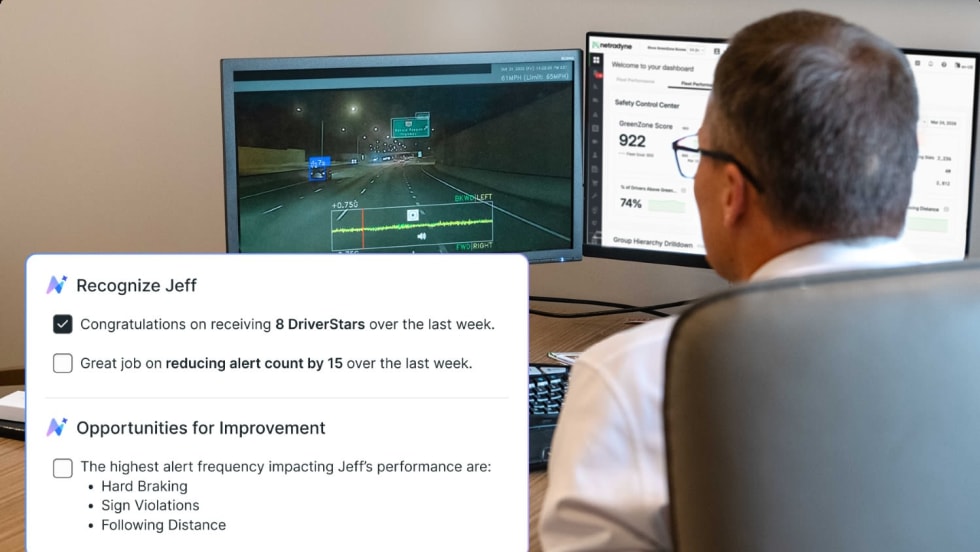
Netradyne Intelligence Uses New AI Agents to Automate Response to In-Cab Camera Data
The company called the next-generation in-cab camera safety platform "a fundamental shift from systems that report on what happened to systems that actively drive what should happen next."
Read More →
Why Truck Detention Keeps Costing Fleets Time and Money
A 2024 ATRI study found detention affects nearly 40% of truckload stops and costs the industry more than $15 billion annually. Despite the toll on drivers, fleets, and supply chains, the problem remains stubbornly persistent.
Read More →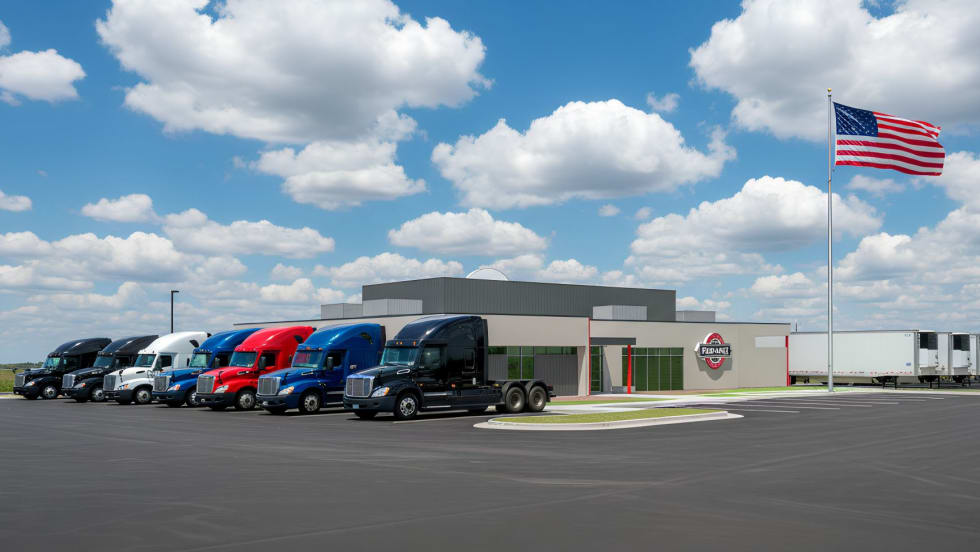
Prime Inc. to Open $7.9M Flagship Used-Truck Dealership
A new driver-focused facility to sell Prime Inc's used trucks and trailers will be the first purpose-built location in the company's history.
Read More →