




Illiana Corridor Highway Closer to Reality
A long-sought east-west toll road south of Chicago is closer to reality following approval last week by the Chicago Metropolitan Agency for Planning's MPO Policy Committee, which means the DOT can go after funding for the Illiana Corridor project.
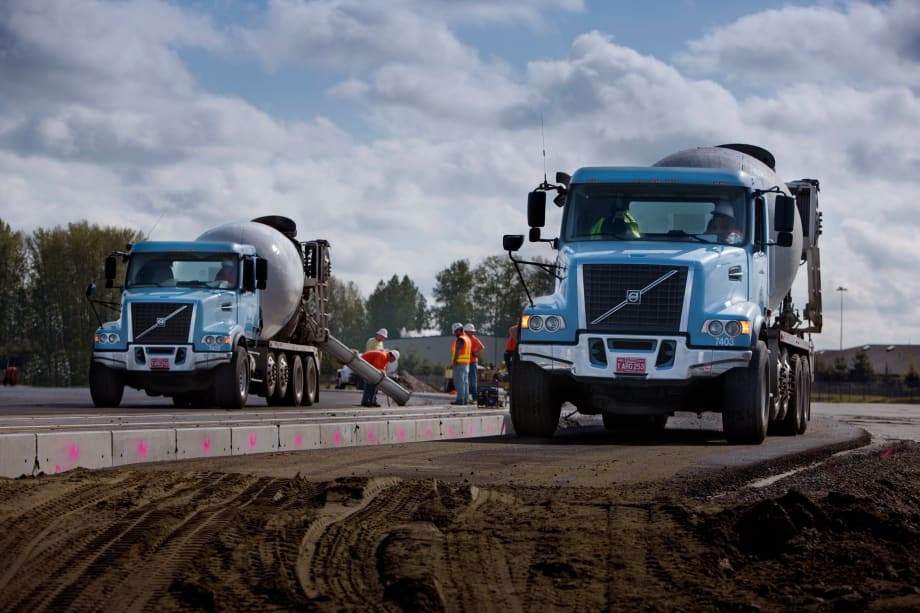
A long-sought east-west toll road south of Chicago is closer to reality following approval last week by the Chicago Metropolitan Agency for Planning's MPO Policy Committee.
The Yes vote means the Illiana Corridor project is eligible for federal funding, and the Illinois Department of Transportation (IDOT) can seek bids from the private sector, according to an announcement by Gov. Pat Quinn.
The Illiana Project, which backers say is an innovative public-private partnership to build a much-needed regional highway, is a key part is a key part of the governor’s agenda to drive economic growth throughout the south suburbs and across Illinois.
Another part of Quinn’s agenda is a proposed South Suburban Airport. And other interests are pushing the idea of an enhanced rail route that would parallel the new highway and bypass congestion in the Chicago area, the nation’s busiest railroad center.
"I applaud the members of the MPO Policy Committee for making the Illiana a priority,” Quinn said in a statement. “This regional highway will not only serve the largest and fastest growing areas in Illinois, it will have a long-term economic impact of more than $4 billion in the region."
The Illiana will be a 47-mile, four-lane, controlled-access toll road that extends from Interstate 55 in Illinois on the west to I-65 in Indiana on the east. It could syphon traffic from busy I-80 while encouraging economic development along its length. Potential economic benefits include the creation of more than 9,000 construction jobs and 28,000 long-term jobs, the governor’s office said.
The Illinois and Indiana Departments of Transportation (IDOT and INDOT, respectively) have been planning the Illiana with the Federal Highway Administration since the spring of 2011. The preferred corridor is being refined and discussed, with a public hearing on the proposed location to be held later this year.
Additional public input on the project will be sought during the state and federal agency and public-private partnership approval process, the governor’s office said. The Illiana planning process is expected to be complete early next year.
IDOT and INDOT can then select a private team to finance and build the road. It will be the first public-private partnership of its kind in Illinois, the governor said. This financing method, which has already been used by Indiana on other projects, will bring new investment dollars into the state transportation system and allow the agencies to make further infrastructure investments in the region.
Studies by IDOT and INDOT have shown that the Illiana will relieve local and regional congestion, create jobs, and serve as a much needed trucking corridor in the bi-state region.
More Drivers

Truck Drivers Need More Than Another Alert
Fleets have more visibility into truck health, safety events, and driver activity than ever. The next challenge is turning all that information into useful guidance for the person who has to decide what to do next.
Read More →
FMCSA Removes 110 Truck Driver Training Schools from Certified ELDT List
Federal regulators also are targeting more than 160 additional training providers and launching a nationwide audit of third-party CDL skills testers as part of a broader crackdown on trucking fraud.
Read More →
Hours of Service Pilot Programs: FMCSA Readies for 2027 Rollout
Two pilot programs could eventually reshape hours-of-service rules, giving truck drivers options to pause their 14-hour clock or use longer split sleeper rest periods.
Read More →
Medical Cards, English Proficiency Reshape Roadcheck Violations
Medical-card violations jumped to the top of the driver out-of-service list during CVSA’s 2026 International Roadcheck, while English-language proficiency violations appeared among the leading violations for the first time.
Read More →
Driver Trust Can Make or Break the Success of Fleet Safety Technology
New Teletrac Navman research suggests that onboarding, transparency about driver data, and positive feedback can play a significant role in how commercial drivers respond to safety and coaching technology.
Read More →
EEOC Sues KLLM Over Alleged Sex Discrimination in Driver Training
KLLM is facing a federal sex-discrimination lawsuit over policies the EEOC alleges put female truck driver trainees at a disadvantage.
Read More →
FMCSA Moves to Codify English Language Requirements for Commercial Drivers
By changing regulations on English-language proficiency requirements for commercial drivers, rather than relying on a guidance memo, the FMCSA said future administrations won't be able to walk back the Trump administration's stricter enforcement with just a memo.
Read More →
Drivers Put Western Star Trucks to the Test at Star Nation Experience
Watch to get an inside look at the Western Star trucks, technology, and community behind the Star Nation Experience 2026!
Read More →
Trump Administration Looks to Put More Veterans Behind the Wheel
The Freedom Haulers program pulls together existing and expanded programs at several federal agencies to recruit veterans to drive commercial heavy-duty trucks and cut the red tape for them to get a CDL, training, and employment.
Read More →
Putting Mack’s Command Steer to the Test
A test drive of Mack’s Command Steer active steering system evaluates how it can make truck driving easier and less tiring.
Read More →