





Q&A: Hyzon's Big Plans for Hydrogen-Powered Commercial Vehicles
Hyzon to Build Waste-to-Hydrogen Hubs to Power HD Trucks
The initial hubs are expected to yield up to 4.5 tons of hydrogen each. This is enough hydrogen from each hub to power 100 heavy-duty commercial vehicles.
April 27, 2021
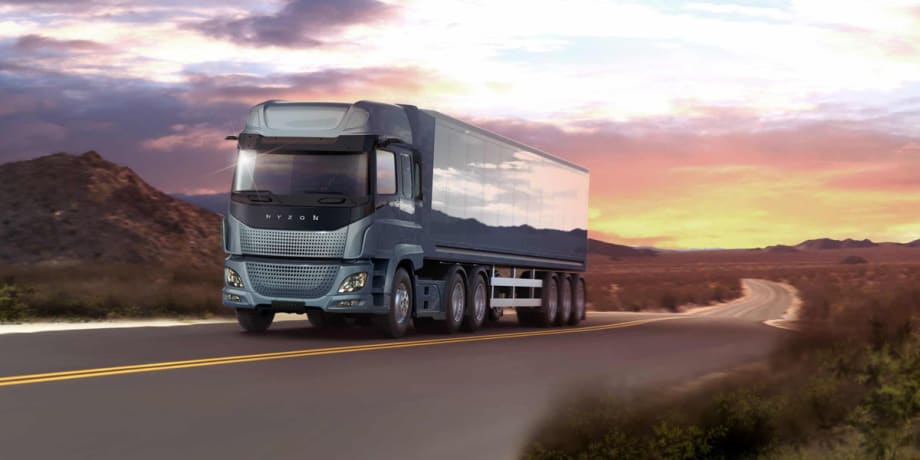
The initial hubs are expected to yield up to 4.5 tons of hydrogen each. This is enough hydrogen from each hub to power 100 heavy-duty commercial vehicles.
Photo: Hyzon
2 min to read
Hyzon Motors announced a memorandum of understanding to form a joint venture with renewable fuel company Raven SR, and build up to 100 hydrogen production hubs across the United States and globally.
Each hub is expected to convert organic waste at in nearly every form into locally-produced, renewable hydrogen for Hyzon’s zero-emission commercial vehicles, including garbage trucks. The first hub is planned to be built at a landfill in the San Francisco Bay Area, and is expected to be commissioned in 2022.
Raven SR owns a portfolio of patents for its conversion process, which enables it to be one of the only combustion-free, waste-to-hydrogen processes in the world, Hyzon officials said in a press release. In connection with this partnership, Hyzon has agreed to acquire a minority interest in Raven.
Each hub will contain Raven’s patented Steam/CO2 reformation process that converts all types of solid waste into renewable syngas and then into green hydrogen with costs that are similar to hydrogen produced using hydrocarbons, so-called “gray” hydrogen. In California, the hydrogen produced through Raven’s process is expected to benefit from the state’s Low Carbon Fuel Standard (LCFS), allowing Hyzon to sell hydrogen to third parties at competitive prices, Hyzon official said.
The initial hubs are expected to process 50 tons of solid waste daily, per hub, and are expected to yield up to 4.5 tons of renewable green hydrogen each, enough hydrogen from each hub to power 100 heavy-duty commercial vehicles. Future hubs may be able to scale to five times larger to accommodate sites with higher hydrogen requirements.
One hundred hydrogen hubs could convert over 5,000 tons of waste per day and power over 10,000 trucks.
“Hyzon aims to be one of the first companies to supply our customers with a hydrogen fuel cell truck, including our own garbage trucks, at total cost of ownership parity with diesel-powered commercial vehicles,” said Craig Knight, CEO and co-founder of Hyzon.
More Fuel Smarts
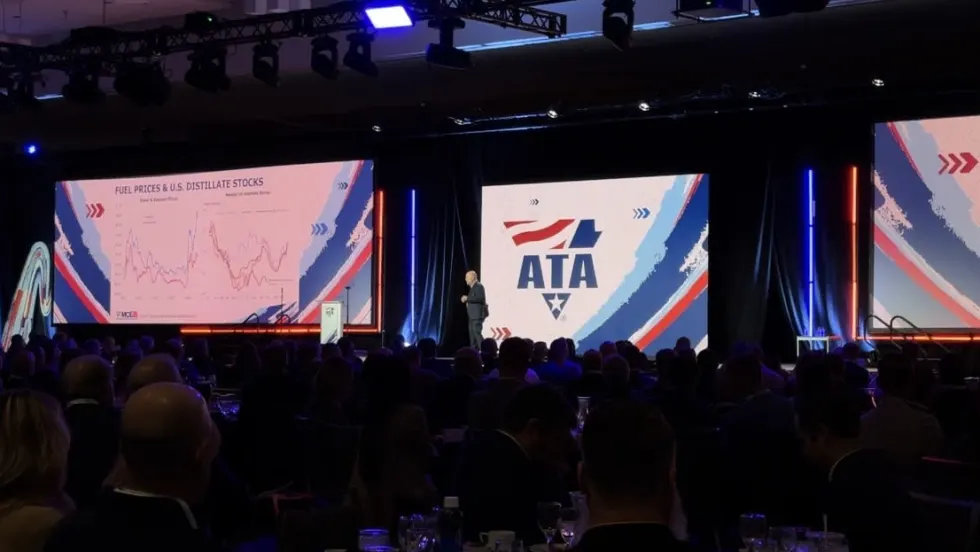
Trucking’s Diesel Squeeze Isn’t Letting Up
With diesel topping $6 a gallon nationally, ATA's Bob Costello explains why fleets should prepare for continued pressure at the pump.
Read More →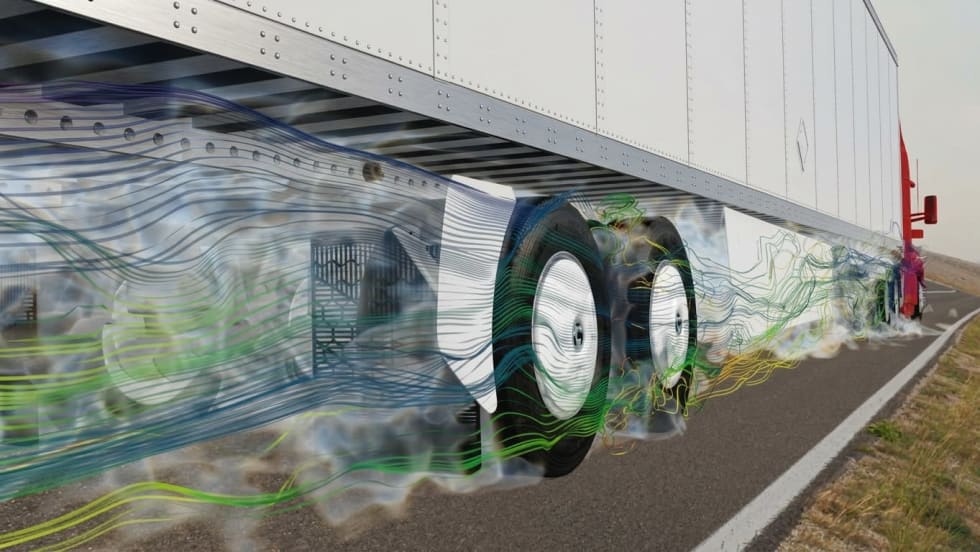
FlowBelow Redesigns Trailer AeroSlider to Cut Fuel Use
The lighter trailer aerodynamic system installs in less than 45 minutes, according to the company, with potential payback in under a year depending on fuel prices and trailer mileage.
Read More →
Why Diesel Price Relief Efforts May Fall Short
Diesel prices have eased from September’s record high, but doubts about additional Russian supply and limits on dyed-diesel tax relief mean trucking fleets still face expensive fuel. And prices could go higher.
Read More →
Why Small Fuel Savings Matter in Trucking
Can better fuel economy help pay for driver raises? In this podcast, GP Transco explains how small efficiency gains create room to reinvest in its people.
Read More →
How GP Transco Cuts Trucking Fuel Costs, a Tenth of a Gallon at a Time
What’s another tenth of a mile per gallon worth? GP Transco shares how equipment upgrades and driver coaching turn small gains into meaningful fuel savings.
Read More →
Electric Yard Tractors Move Beyond Pilots
Operating-cost savings have overtaken sustainability goals as the leading reason surveyed fleets are adopting battery-electric terminal tractors, according to new NACFE research.
Read More →
Geotab Links Fleet Card to Vehicle Data
The new card combines fuel discounts with telematics-based purchase controls. Geotab’s analysis also points to potential savings from choosing lower-priced fuel stops.
Read More →
Fleet Economics Shape Electric Truck Outlook
ACT Research expects costs, charging infrastructure, and technology improvements to drive zero-emission commercial vehicle adoption as federal regulations and incentives retreat.
Read More →
Wex Adds Cardless Fuel Payments for Over-the-Road Customers
A new fuel card feature for Wex customers offers convenience and security.
Read More →
New California Law Could Shed Light on Electric Truck Prices
Why do battery-electric Class 8 trucks remain so expensive? A California bill signed by Gov. Gavin Newsom would give fleets and state agencies more visibility into what manufacturers charge.
Read More →