




House May Default to Senate's Highway Bill
House Speaker John Boehner (R-Ohio) yesterday gave the clearest indication yet that Congress will go with a short-term highway bill like the one the Senate is close to passing. "The current plan is to see what the Senate can produc
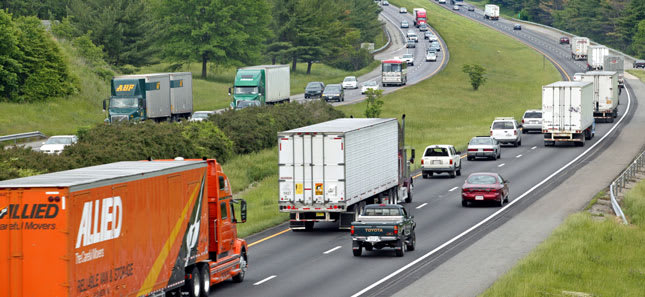
House Speaker John Boehner (R-Ohio) yesterday gave the clearest indication yet that Congress will go with a short-term highway bill like the one the Senate is close to passing.
"The current plan is to see what the Senate can produce
and bring their bill up," Boehner said at his weekly press briefing.
While the Senate works on its two-year, $109 billion measure, House leaders will continue to discuss with members the five-year, $260 billion bill cleared by the Transportation and Infrastructure Committee, Boehner said.
Even though most members would prefer a longer-term bill, as would the highway community, there are objections from both sides of the aisle about the funding levels and sourcing and other aspects of the bill.
Failing any resolution from those discussions, the House will bring up the Senate bill "or something like it," Boehner said.
The Senate is voting this week on some 30 amendments to its bill, and the indications are that once this work is done the measure will be approved. On Thursday, the Senate rejected a GOP plan to force Obama administration approval of construction of the controversial Keystone XL pipeline to transport oil from Alberta oil sands to U.S. Gulf Coast refineries.
The House will be out of session next week, returning March 19. It has until March 31 to pass something that will keep the highway program going. If neither the Senate nor the House bills gets through, legislators will have to cobble another extension of the program - the ninth since the program officially expired in October 2009.
While there are marked differences between the bills, they share similar approaches to reforming the federal transportation program.
They eliminate earmarks, the mechanism by which individual legislators direct federal spending on local projects. They also consolidate the profusion of programs at the Department of Transportation, the Senate paring some 90 programs down to less than 30 and the House consolidating or eliminating almost 70 programs. The idea is to streamline the bureaucracy and make it more efficient.
In addition, both give states more control over money set aside for enhancement projects, such as bike paths and beautification. They take steps to expedite the delivery of highway projects. They also set performance management standards for states and metropolitan planning organizations.
More Drivers
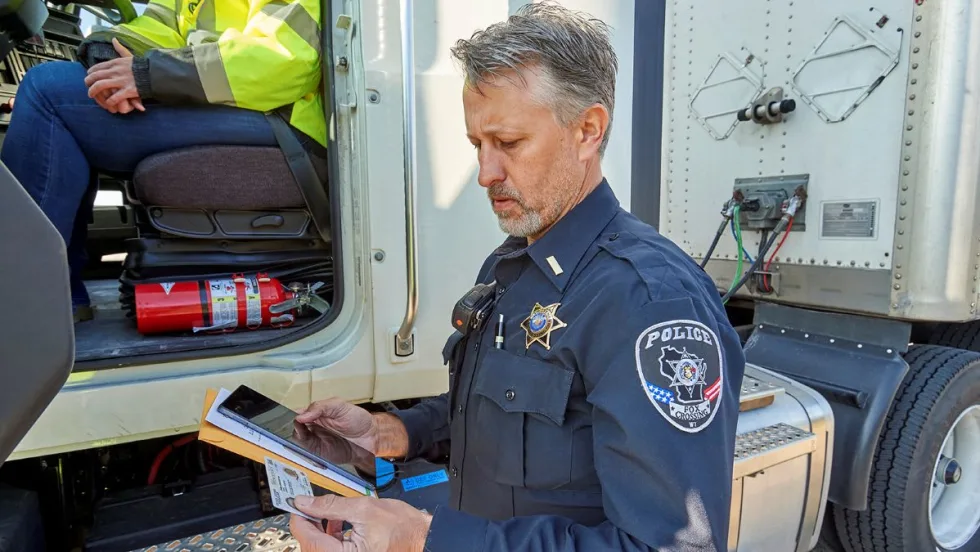
When Language Stops the Truck: The Return of ELP Out-of-Service Orders
English language proficiency rules for commercial drivers aren’t new, but renewed out-of-service enforcement has raised the stakes. Here’s what carriers need to know before a driver reaches a roadside inspection.
Read More →
Samsara Launches Custom AI Agent Builder
Agent Studio lets fleets create AI tools for hours-of-service monitoring, reporting and driver support, including agents that communicate by phone.
Read More →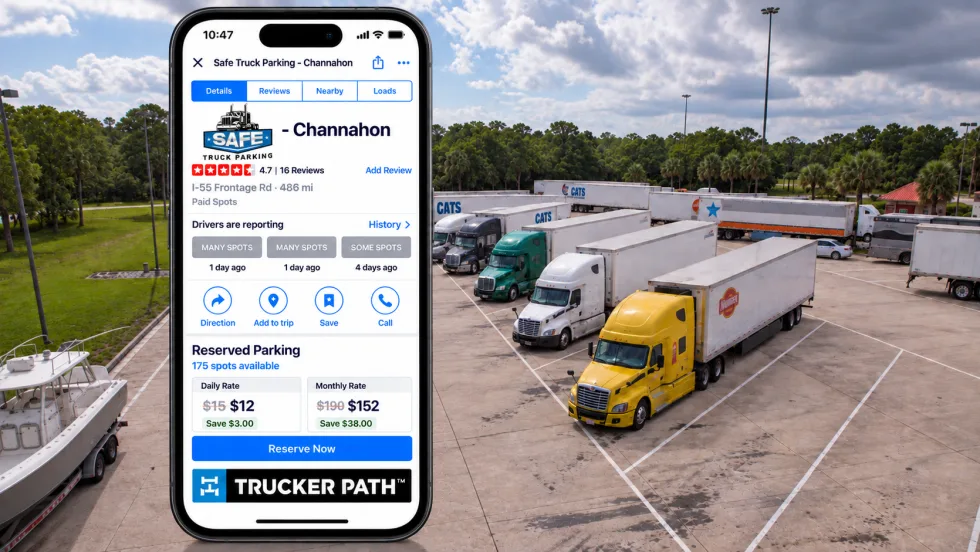
Trucker Path Expands Reserved Parking Network
Trucker Path has added close to 6,000 more truck parking spaces to its Trucker Path Reserved Parking Network with the addition of Safe Truck Parking.
Read More →
EEOC Sues Texas Trucking Company Over Driver Age Limits
The agency says Trancasa USA rejected applicants over 65 and applied tougher driving-record standards to those over 60.
Read More →
Nussbaum, Roehl Announce Second Driver Pay Increase This Year
This year has seen a swath of major truck driver pay increases as freight capacity has tightened.
Read More →
From One Generation to the Next: How Mentorship Builds Safer Truck Drivers
After three decades in trucking, Harold Perry shares what he's learned about driver safety, mentorship, and helping the next generation build confidence behind the wheel.
Read More →
Truck Drivers Need More Than Another Alert
Fleets have more visibility into truck health, safety events, and driver activity than ever. The next challenge is turning all that information into useful guidance for the person who has to decide what to do next.
Read More →
FMCSA Removes 110 Truck Driver Training Schools from Certified ELDT List
Federal regulators also are targeting more than 160 additional training providers and launching a nationwide audit of third-party CDL skills testers as part of a broader crackdown on trucking fraud.
Read More →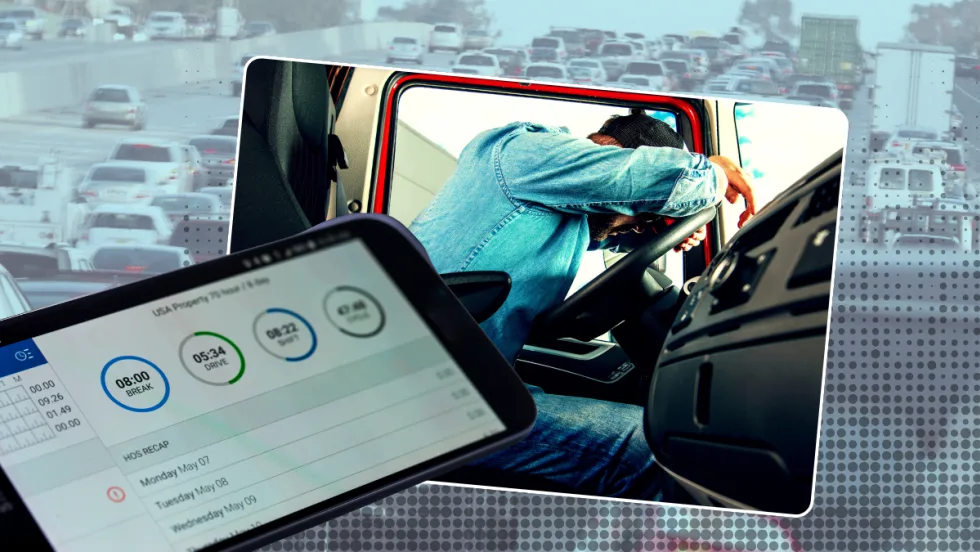
Hours of Service Pilot Programs: FMCSA Readies for 2027 Rollout
Two pilot programs could eventually reshape hours-of-service rules, giving truck drivers options to pause their 14-hour clock or use longer split sleeper rest periods.
Read More →
Medical Cards, English Proficiency Reshape Roadcheck Violations
Medical-card violations jumped to the top of the driver out-of-service list during CVSA’s 2026 International Roadcheck, while English-language proficiency violations appeared among the leading violations for the first time.
Read More →