




Hours of Service Rules Due Today
The Department of Transportation is proposing changes to the hours of service rules that will fundamentally alter trucking’s safety and operational practices. Public announcement of the long-awaited proposal is scheduled for this afternoon. Based on information from a variety of sources in government and the truck and bus industry, truckinginfo.com prepared an outline of what the proposal contains
The Department of Transportation is proposing changes to the hours of service rules that will fundamentally alter trucking’s safety and operational practices.
Public announcement of the long-awaited proposal is scheduled for this afternoon. Based on information from a variety of sources in government and the truck and bus industry, truckinginfo.com prepared an outline of what the proposal contains.
The fundamental change is a shift from an 18-hour to a 24-hour clock. A driver’s basic workday would be 12 hours on, 12 hours off, and longhaul operations would be required to use onboard electronic recorders to track driver hours.
These changes, and others detailed below, promise to generate tremendous controversy. They will be felt far beyond individual drivers’ working schedules and the operational schedules of the nation’s trucking industry. They will have an untold impact on a national economy that is dependent on just-in-time delivery — a point that opponents will make loudly during the public comment period.
The Federal Motor Carrier Safety Administration will hold a series of meetings in cities across the country, as part of an extended public dialogue that the agency will use to consider changes to the proposal. A final rule is not expected until the middle of next year — and then there remains the possibility of a legal challenge that could drag the process out even further.
The proposal divides the industry into five segments based on type of operation, with different rules for each segment.
Longhaul drivers regularly away from home base three or more nights in a row will have 12 hours of maximum on-duty time, driving or not driving. They will have 10 consecutive hours off duty, with two additional hours off in no less than half-hour segments.
Regional drivers regularly away less than three nights will have the same restrictions.
Shorthaul drivers who regularly start and end work in the same place are divided into three groups.
* Local pickup and delivery: 12 hours on duty and 12 off, with at least 10 consecutive hours off.
* Split-shift drivers: nine consecutive hours off between workdays, and three hours off between shifts.
* Work-vehicle drivers: nine consecutive hours off duty between workdays, with no more than five hours driving.
Each week, drivers will get a "weekend" of two nights off each night including consecutive hours between midnight and 6 a.m.
Longhaul drivers will get one weekend every seven days, following a maximum of 60 hours on duty.
These drivers have a couple of options. They can average their on-duty time over two weeks, to include one six-day workweek with a maximum of 72 hours on duty, followed by one four-day workweek with a maximum of 48 hours on duty. Or they can take at least 112 hours in two weekends that may be split at their convenience, so long as each weekend period contains two nights.
Regional drivers will have the same schedule, except they will not have the options.
Shorthaul drivers get one weekend every seven days. P&D drivers have a maximum of 60 on-duty hours each week, as do split-shift drivers.
Work-vehicle drivers, such as utility or construction drivers, have a maximum of 78 on-duty hours each week, with 30 hours of driving time.
Sleeper-berth drivers must get 10 consecutive hours off every 24 hours, plus two hours’ worth of breaks. The 10-hour requirement may be satisfied by two five-hour periods in a sleeper berth.
In a move that's certain to generate great controversy, the proposal would require longhaul and regional truckers to use electronic onboard recorders to track hours.
The requirement will be phased in based on the size of the fleet. Companies with more than 50 power units would have 2 years to comply. Those with 20 to 50 power units would have three years. Those with fewer than 20 would have four years. Once a company starts using the recorders, it will not have to keep paper logs.
Shorthaul operations will not have log requirements but must have records such as time cards that verify drivers’ time on-duty.
More Drivers

Competition Heating Up for Truck Drivers
New report reveals rising driver hiring costs, the return of sign-on bonuses, growing AI advantages, and the operational factors shaping driver retention.
Read More →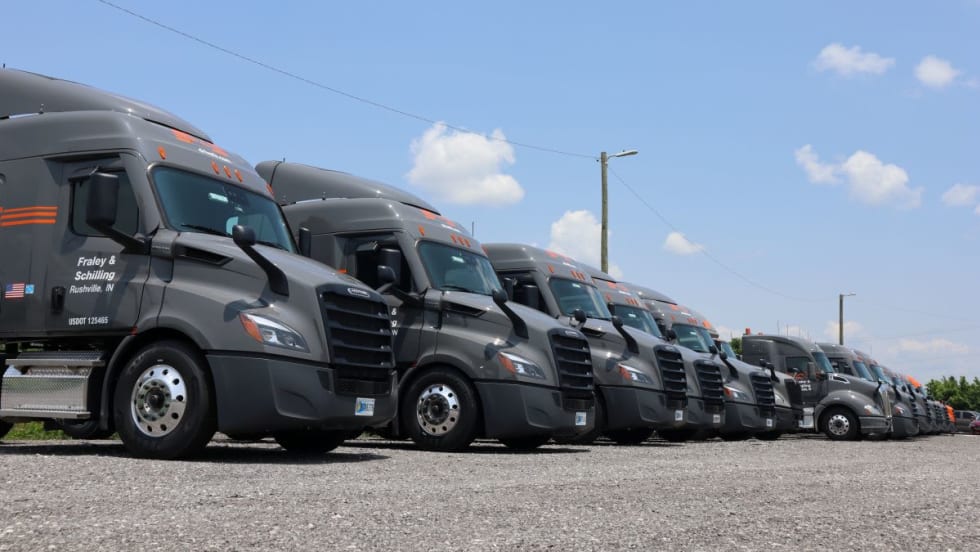
How Fraley & Schilling Improved Logbook Compliance by Over 50%
Fraley & Schilling needed a way to close a compliance workflow gap in its ELD system without adding more work from driver training, reminders, and back-office follow-ups. It found the answer in a custom driver app.
Read More →
Volvo Goes Gaming
Volvo has roared into American Truck Simulator with two new flagship trucks.
Read More →
What the Best Fleets to Drive For Teach About Driver Retention
Survey fatigue, AI-powered routing, owner-operator expectations, and the decline of social media all emerged as themes from this year's Best Fleets to Drive For program.
Read More →
Driver Retention Lessons From the Best Fleets to Drive For
What separates trucking's best workplaces from the rest? Jane Jazrawy shares the biggest lessons from this year's Best Fleets to Drive For program on driver retention, communication, AI, and workforce trends on the HDT Talks Trucking podcast.
Read More →
Farewell, CDL: Why I'm Giving Up My Commercial Driver's License
After more than 20 years as a CDL holder, HDT Executive Editor Jack Roberts is letting his commercial license expire. Not because he wants to — but because trucking's nuclear verdict crisis has made the risks of public-road test drives too great for editors, manufacturers, and everyone involved.
Read More →
How Top Trucking Fleets Improve Driver Retention [Video]
What do healthy snacks, optimized routing, and just picking up the phone have in common? They're all strategies the Best Fleets to Drive For are using to retain truck drivers.
Read More →
Trucker Path Adds Verisk CargoNet Theft Data to Navigation Platform
Trucker Path’s new cargo theft risk overlays give drivers and fleets visibility into high-risk areas, stolen commodity trends, and theft hotspots.
Read More →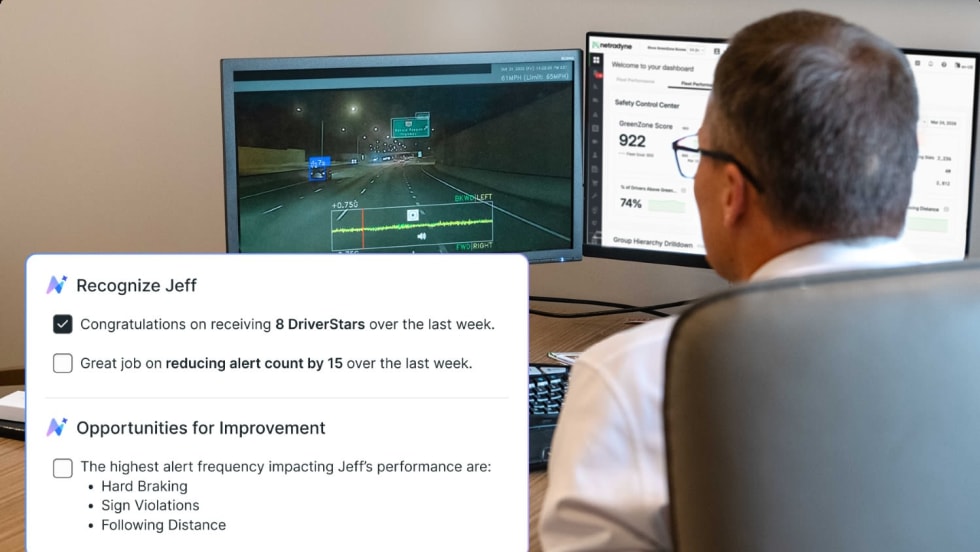
Netradyne Intelligence Uses New AI Agents to Automate Response to In-Cab Camera Data
The company called the next-generation in-cab camera safety platform "a fundamental shift from systems that report on what happened to systems that actively drive what should happen next."
Read More →
Why Truck Detention Keeps Costing Fleets Time and Money
A 2024 ATRI study found detention affects nearly 40% of truckload stops and costs the industry more than $15 billion annually. Despite the toll on drivers, fleets, and supply chains, the problem remains stubbornly persistent.
Read More →