




HOS: Trucking Niches Say, "We Don't Fit"
The trucking industry wanted the DOT to avoid a "one-size-fits-all" approach in its new hours of service regulations, so the agency came up with five different "types" of drivers, all with different rules. But a lot
The trucking industry wanted the DOT to avoid a "one-size-fits-all" approach in its new hours of service regulations, so the agency came up with five different "types" of drivers, all with different rules. But a lot of businesses that don't match the picture of the typical "truck driver" are saying, "We don't fit."
At last week's public hearing in Kansas City, Mo., representatives of industries as diverse as bus drivers, utility companies and construction contractors stepped forward to ask for exemptions or industry-specific rules.
Utility companies called for an exemption, similar to that for emergency vehicles such as fire trucks. Without such an exemption, they said, they would not be able to respond effectively to power outages.
Local representatives and drivers from Greyhound told the DOT panel that their operation is very different from trucking operations. The new rules, they said, would drop the number of coveted regular-run jobs in Kansas City from 16 to 11, and the average salary would drop $5,000 a year. Drivers losing their runs would have to go back to working the extra board, take second jobs, take early retirement, or move to another city to get another job.
"It's time to stop assuming that truck and bus operations are similar," said David Coen, a 53-year-old Greyhound driver. "We have regular meal and rest breaks, are home every night or every other night, are paid hourly, and are constantly under observation by passengers and management."
A representative for the Amalgamated Transit Union told the panel that statistics show there is not a fatigue problem in the bus industry. One Greyhound official testified that he would like to see a scientific study showing the need to change the rules for bus drivers.
The construction industry also showed up in force at the hearing. Currently, construction trucks operate under an exemption that allows a 24-hour restart. No such exemption is written into the new proposal. Association representatives and contractor spokesmen alike predicted that the new rules would make for more expensive and more time-consuming highway projects, and asked for rules designed specifically for the construction business.
Kevin Schmidt, executive vice president for a construction materials supplier with 350 trucks in Omaha, Neb., pointed out that fatigue-related accidents are virtually nonexistent in his business. Drivers get to go home and sleep every night. They are often in and out of their trucks at construction sites, and therefore don't have the monotonous, fatigue-producing kind of drives that long-haul truckers do. His company operates under in-state extended hours of service rules, allowing up to 16 hours a day on duty and 12 hours of driving. "Our company's safety record shows we can operate safely under extended hours of service," he said. He called for a separate category for the construction industry, with rules providing the flexibility to work longer days and weeks when the weather allows, to make up for weather-related delays.
Bus drivers and construction truck drivers aren't the only ones who don't fit in the new rules, according to testimony.
Clay Dark, whose family operates a small petroleum delivery business in Kansas, testified that the way the regulations discourage nighttime operation would be a big problem. Not only would you have the traffic jams predicted when all the trucks get started at 7 a.m., he said, but you would also have people not able to get fuel because service stations didn't get their early-morning deliveries.
Angela Frye of Driveaway USA, based in Kansas City, testified that the driveaway niche clearly fit none of the proposed categories. Because driveaway drivers deliver vehicles by driving them, companies like Frye's have no power units, and would need an exemption to the onboard recorder provision of the new rules. Fry predicted she would have to double her workforce to comply with the proposed rules.
Enforcement of the new rules, a concern of the enforcement community and trucking industry alike, would be even more problematic for the driveaway industry, which already confuses enforcement officials. A recent DOT audit cited Frye's company for not doing post-trip inspections, from which they are exempt because the delivered vehicles are the responsibility of the receiver.
"This proposal seems to be geared toward long-haul drivers," said Dan Jones, director of safety for a large heavy highway construction company. "Although from what I've heard here, it doesn't seem to be geared well toward them, either."
More Drivers

Competition Heating Up for Truck Drivers
New report reveals rising driver hiring costs, the return of sign-on bonuses, growing AI advantages, and the operational factors shaping driver retention.
Read More →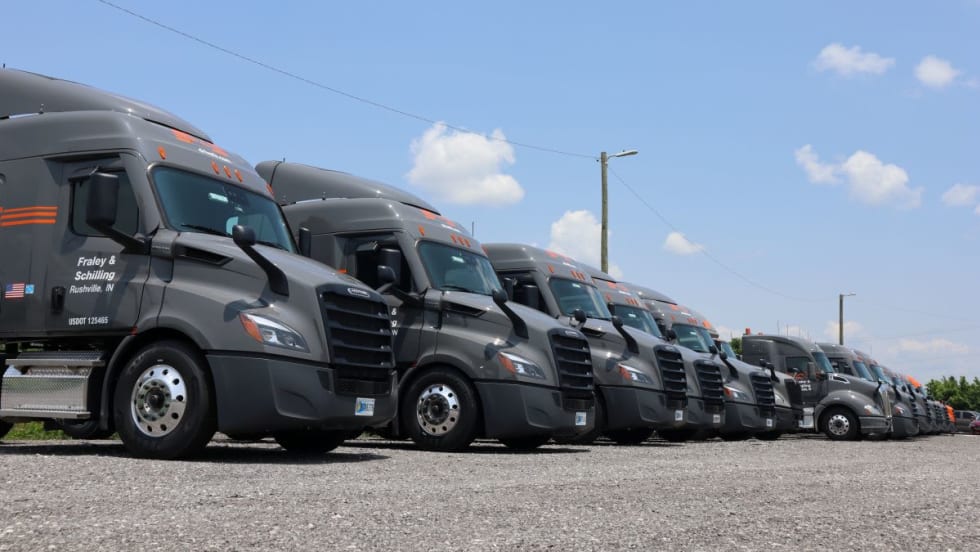
How Fraley & Schilling Improved Logbook Compliance by Over 50%
Fraley & Schilling needed a way to close a compliance workflow gap in its ELD system without adding more work from driver training, reminders, and back-office follow-ups. It found the answer in a custom driver app.
Read More →
Volvo Goes Gaming
Volvo has roared into American Truck Simulator with two new flagship trucks.
Read More →
What the Best Fleets to Drive For Teach About Driver Retention
Survey fatigue, AI-powered routing, owner-operator expectations, and the decline of social media all emerged as themes from this year's Best Fleets to Drive For program.
Read More →
Driver Retention Lessons From the Best Fleets to Drive For
What separates trucking's best workplaces from the rest? Jane Jazrawy shares the biggest lessons from this year's Best Fleets to Drive For program on driver retention, communication, AI, and workforce trends on the HDT Talks Trucking podcast.
Read More →
Farewell, CDL: Why I'm Giving Up My Commercial Driver's License
After more than 20 years as a CDL holder, HDT Executive Editor Jack Roberts is letting his commercial license expire. Not because he wants to — but because trucking's nuclear verdict crisis has made the risks of public-road test drives too great for editors, manufacturers, and everyone involved.
Read More →
How Top Trucking Fleets Improve Driver Retention [Video]
What do healthy snacks, optimized routing, and just picking up the phone have in common? They're all strategies the Best Fleets to Drive For are using to retain truck drivers.
Read More →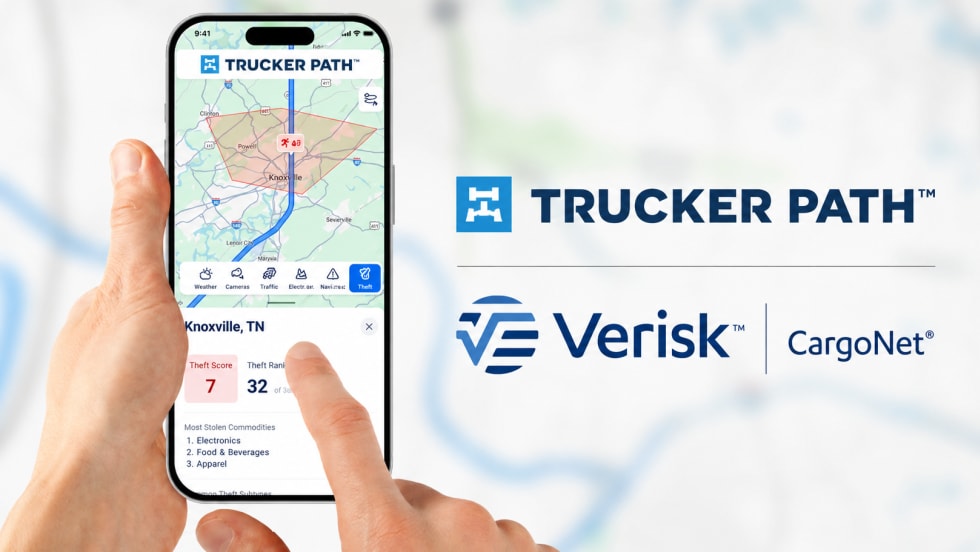
Trucker Path Adds Verisk CargoNet Theft Data to Navigation Platform
Trucker Path’s new cargo theft risk overlays give drivers and fleets visibility into high-risk areas, stolen commodity trends, and theft hotspots.
Read More →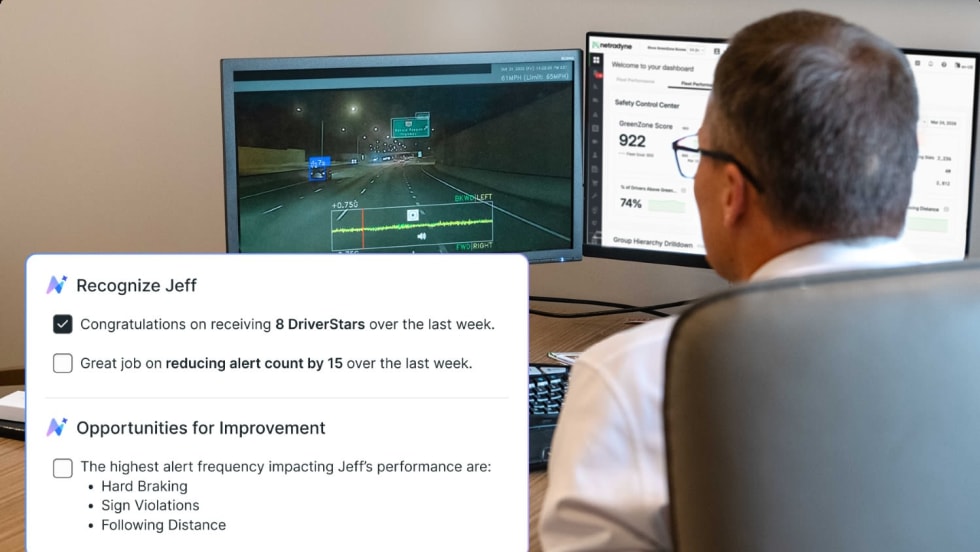
Netradyne Intelligence Uses New AI Agents to Automate Response to In-Cab Camera Data
The company called the next-generation in-cab camera safety platform "a fundamental shift from systems that report on what happened to systems that actively drive what should happen next."
Read More →
Why Truck Detention Keeps Costing Fleets Time and Money
A 2024 ATRI study found detention affects nearly 40% of truckload stops and costs the industry more than $15 billion annually. Despite the toll on drivers, fleets, and supply chains, the problem remains stubbornly persistent.
Read More →