




Highway Reauthorization Plan Would Cost $247 Billion
U.S. Secretary of Transportation Norman Mineta Wednesday unveiled the Bush Administration’s $247-billion surface transportation reauthorization proposal
U.S. Secretary of Transportation Norman Mineta Wednesday unveiled the Bush Administration’s $247-billion surface transportation reauthorization proposal.
The six-year Safe, Accountable, Flexible and Efficient Transportation Equity Act of 2003 (SAFETEA), serves as the largest surface and public transportation investment in U.S. history.
Mineta said the administration’s proposal more than doubles funding for highway safety over those provided by the Transportation Equity Act for the 21st Century (TEA-21) and serves as a framework for investments needed for the nation’s transportation infrastructure.
"The proposal I have submitted to the Congress is more than a simple spending plan -- it is a key blueprint for investment," said Mineta. "SAFETEA, when enacted by the Congress, will help ensure transportation projects are completed on budget and on time, while protecting the environment. More importantly, this proposal will further the administration’s commitment to dramatically reducing the number of highway injuries and fatalities."
Citing the costs of highway fatalities and injuries -- 43,000 lives and $230.6 billion annually -- Mineta said that saving lives would be the No.1 priority for the department. The proposal would create a new core-funding category dedicated to safety within the federal-aid highway program to increase visibility and funding beyond the current safety set-aside provisions.
Combining and expanding several safety programs into one consolidated grant program, the administration’s proposal also grants states broad new flexibility to transfer safety funds among the diverse safety programs administered by the department. It provides increased funding for commercial vehicle safety and research programs, and expands and improves safety auditing of "New Entrant" motor carriers.
SAFETEA continues the funding guarantees of TEA-21 that linked highway funding with the receipts generated by transportation excise taxes; by redirecting to the Highway Account of the Highway Trust Fund, the 2.5 cents per gallon of the gasohol tax currently deposited in the general fund. It also dedicates an additional $1 billion a year of Highway Trust Fund dollars over and above each year's estimated receipts into the Highway Trust Fund to improve highway infrastructure.
In all, environmental programs total $58.7 billion -- one quarter of the $247 billion SAFETEA proposal. SAFETEA also increases freight efficiency by establishing a National Highway System (NHS) set-aside to fund highway connections between the NHS and intermodal freight facilities. It would also continue the Transportation Infrastructure Finance and Innovation Act (TIFIA) program, lower the program’s project threshold from $100 million to $50 million, and expand it by allowing rail freight projects to qualify for credit assistance. SAFETEA would also create a new category of tax-exempt private activity bonds to finance highway projects and freight transfer facilities.
A copy of the Administration’s proposal is available at www.fhwa.dot.gov/reauthorization/safetea.htm.
More Drivers
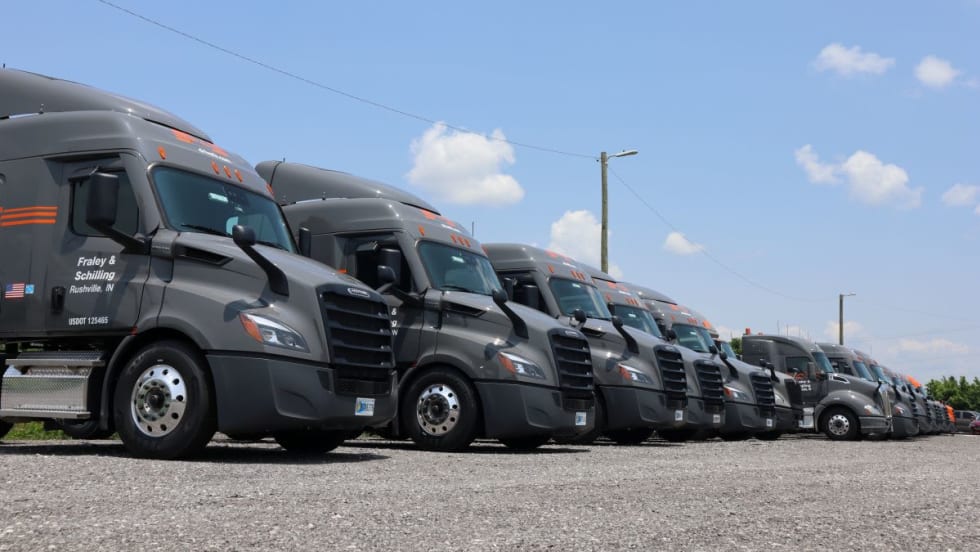
How Fraley & Schilling Improved Logbook Compliance by Over 50%
Fraley & Schilling needed a way to close a compliance workflow gap in its ELD system without adding more work from driver training, reminders, and back-office follow-ups. It found the answer in a custom driver app.
Read More →
Volvo Goes Gaming
Volvo has roared into American Truck Simulator with two new flagship trucks.
Read More →
What the Best Fleets to Drive For Teach About Driver Retention
Survey fatigue, AI-powered routing, owner-operator expectations, and the decline of social media all emerged as themes from this year's Best Fleets to Drive For program.
Read More →
Driver Retention Lessons From the Best Fleets to Drive For
What separates trucking's best workplaces from the rest? Jane Jazrawy shares the biggest lessons from this year's Best Fleets to Drive For program on driver retention, communication, AI, and workforce trends on the HDT Talks Trucking podcast.
Read More →
Farewell, CDL: Why I'm Giving Up My Commercial Driver's License
After more than 20 years as a CDL holder, HDT Executive Editor Jack Roberts is letting his commercial license expire. Not because he wants to — but because trucking's nuclear verdict crisis has made the risks of public-road test drives too great for editors, manufacturers, and everyone involved.
Read More →
How Top Trucking Fleets Improve Driver Retention [Video]
What do healthy snacks, optimized routing, and just picking up the phone have in common? They're all strategies the Best Fleets to Drive For are using to retain truck drivers.
Read More →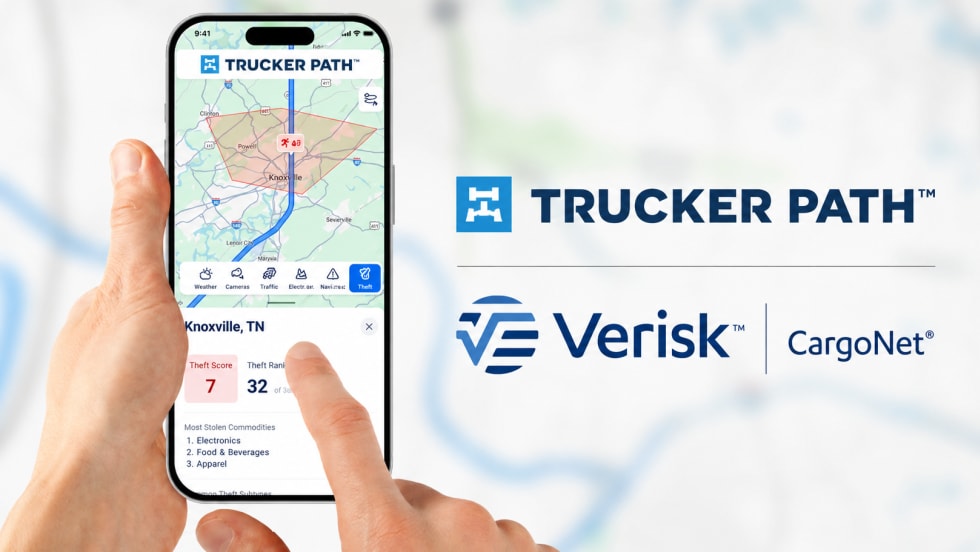
Trucker Path Adds Verisk CargoNet Theft Data to Navigation Platform
Trucker Path’s new cargo theft risk overlays give drivers and fleets visibility into high-risk areas, stolen commodity trends, and theft hotspots.
Read More →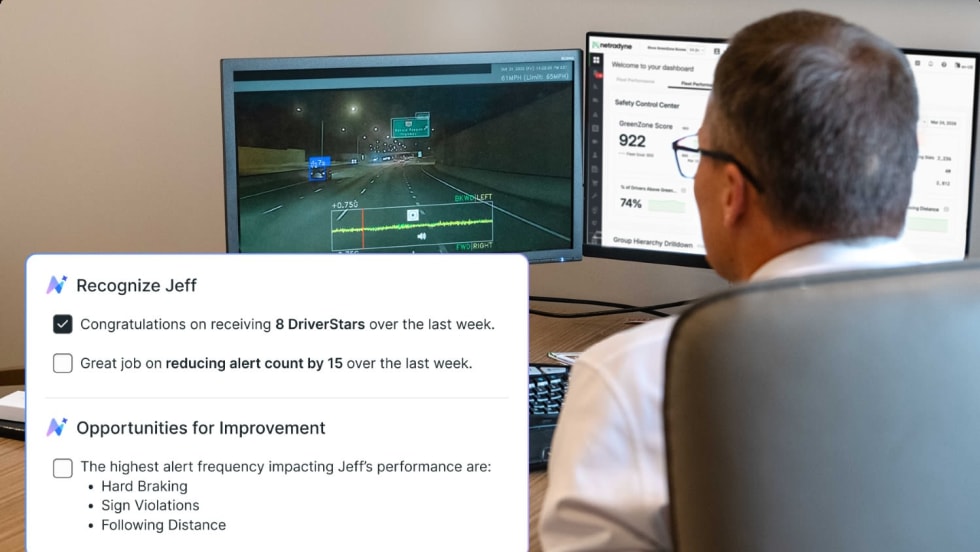
Netradyne Intelligence Uses New AI Agents to Automate Response to In-Cab Camera Data
The company called the next-generation in-cab camera safety platform "a fundamental shift from systems that report on what happened to systems that actively drive what should happen next."
Read More →
Why Truck Detention Keeps Costing Fleets Time and Money
A 2024 ATRI study found detention affects nearly 40% of truckload stops and costs the industry more than $15 billion annually. Despite the toll on drivers, fleets, and supply chains, the problem remains stubbornly persistent.
Read More →
Prime Inc. to Open $7.9M Flagship Used-Truck Dealership
A new driver-focused facility to sell Prime Inc's used trucks and trailers will be the first purpose-built location in the company's history.
Read More →