




Highway Gridlock Grows Worse
A new report says gridlock in the U.S. has staged a dramatic comeback after two years of post-recession lows, but it’s also a sign the economy is bouncing back. Data from the most recent Inrix Gridlock Index shows traffic jumped by almost 10% during February – the largest year-over-year increase recorded in two years, and a healthy sign of rising economic activity across 100 metro areas.

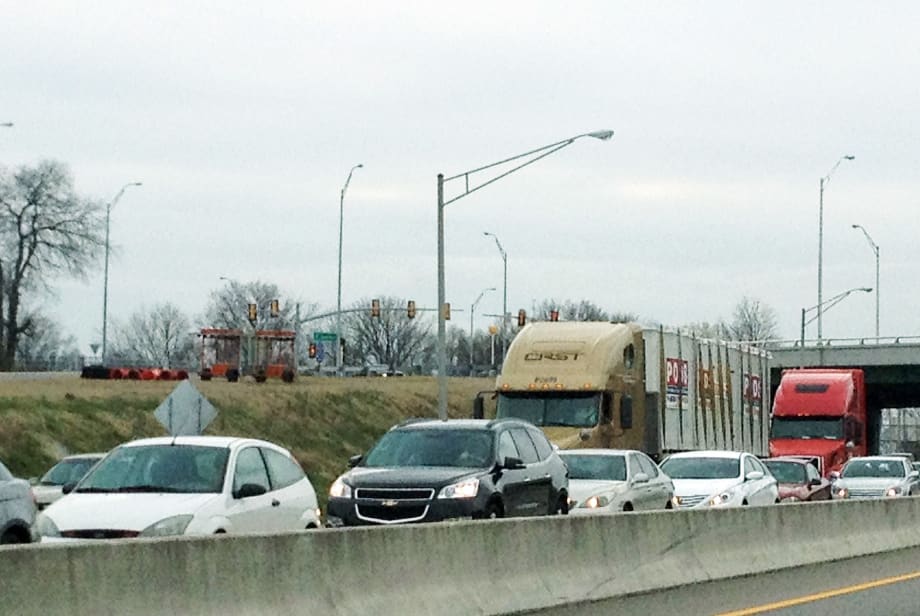
A new report says gridlock in the U.S. has staged a dramatic comeback after two years of post-recession lows, but it’s also a sign the economy is bouncing back.
Data from the most recent Inrix Gridlock Index shows traffic jumped by almost 10% during February – the largest year-over-year increase recorded in two years, and a healthy sign of rising economic activity across 100 metro areas.
"Traffic is a great indicator of confidence on the ground," says Bryan Mistele, CEO of Inrix, which provides traffic data and analytics. "People hit the road as they return to work, and businesses ship more freight as their orders increase. IGI shows the pulse of the economy is starting to beat faster."
Inrix says February's composite IGI score of 6.8 meant that the average trip took drivers in the 100 most populated metro areas 6.8% longer because of increased traffic congestion.
The dramatic shift seen in the top-line trend was mirrored by significant jumps in traffic congestion in many of the nation's largest metro areas. For example, gridlock in Chicago increased over 20% from February 2012 to this past February. In Phoenix it moved almost 19% higher while New York it jumped almost 18%. Inrix pointed to various positive economic reports about the three areas as indications business conditions are improving along with traffic congestion increasing.
Bucking these trends were San Antonio and San Diego. Inrix says these metro areas saw traffic decrease by 24% and 18%, respectively, providing an indication of the impact defense spending cuts that went into effect in March could have on the local economy.
Inrix drew its conclusions by also using its historical traffic information database made up of data collected from hundreds of public and private sources, including a crowd-sourced network of vehicles and mobile devices on the road.
More Drivers

Nussbaum, Roehl Announce Second Driver Pay Increase This Year
This year has seen a swath of major truck driver pay increases as freight capacity has tightened.
Read More →
From One Generation to the Next: How Mentorship Builds Safer Truck Drivers
After three decades in trucking, Harold Perry shares what he's learned about driver safety, mentorship, and helping the next generation build confidence behind the wheel.
Read More →
Truck Drivers Need More Than Another Alert
Fleets have more visibility into truck health, safety events, and driver activity than ever. The next challenge is turning all that information into useful guidance for the person who has to decide what to do next.
Read More →
FMCSA Removes 110 Truck Driver Training Schools from Certified ELDT List
Federal regulators also are targeting more than 160 additional training providers and launching a nationwide audit of third-party CDL skills testers as part of a broader crackdown on trucking fraud.
Read More →
Hours of Service Pilot Programs: FMCSA Readies for 2027 Rollout
Two pilot programs could eventually reshape hours-of-service rules, giving truck drivers options to pause their 14-hour clock or use longer split sleeper rest periods.
Read More →
Medical Cards, English Proficiency Reshape Roadcheck Violations
Medical-card violations jumped to the top of the driver out-of-service list during CVSA’s 2026 International Roadcheck, while English-language proficiency violations appeared among the leading violations for the first time.
Read More →
Driver Trust Can Make or Break the Success of Fleet Safety Technology
New Teletrac Navman research suggests that onboarding, transparency about driver data, and positive feedback can play a significant role in how commercial drivers respond to safety and coaching technology.
Read More →
EEOC Sues KLLM Over Alleged Sex Discrimination in Driver Training
KLLM is facing a federal sex-discrimination lawsuit over policies the EEOC alleges put female truck driver trainees at a disadvantage.
Read More →
FMCSA Moves to Codify English Language Requirements for Commercial Drivers
By changing regulations on English-language proficiency requirements for commercial drivers, rather than relying on a guidance memo, the FMCSA said future administrations won't be able to walk back the Trump administration's stricter enforcement with just a memo.
Read More →
Drivers Put Western Star Trucks to the Test at Star Nation Experience
Watch to get an inside look at the Western Star trucks, technology, and community behind the Star Nation Experience 2026!
Read More →