




Health, Government, Trucking Groups Host Biodiesel Forum
Leaders of health and environmental organizations came together last week with government officials and industry representatives at the first Air Quality and Alternative Transportation Fuel Forum, where they learned
Leaders of health and environmental organizations came together last week with government officials and industry representatives at the first Air Quality and Alternative Transportation Fuel Forum, where they learned
about the important role biodiesel can play in reducing harmful emissions and improving air quality and human health.
Hosted by chapters of the American Lung Association, the forum was held at the National Press Club in Washington, D.C.
“The National Biodiesel Board (NBB) was honored to participate in this first-of-its-kind forum designed specifically to examine the role of alternative transportation fuels in improving air quality,” said Joe Jobe, CEO of NBB. “The bottom line is that biodiesel is spreading like wildfire as more public and private fleets, government agencies and individuals realize biodiesel’s environmental and health benefits.”
During the forum, U.S. Environmental Protection Agency (EPA) Acting Assistant Administrator for Air and Radiation Bill Wehrum discussed the newly published proposed regulations implementing the Renewable Fuel Standard (RFS). Passed as part of the Energy Policy Act of 2005, the RFS requires 4 billion gallons of renewable fuel usage in 2006, and will be phased up to at least 7.5 billion gallons by 2012. That is expected to displace almost 2 billion barrels of crude oil and reduce the outflow of dollars largely to foreign oil producers by $64.1 billion between 2005 and 2012. The proposed regulations would give refiners and other covered entities that blend biodiesel one-and-a-half times the base RFS credit. The adjusted credit is due to biodiesel’s high energy content.
Also at the forum, Dr. Robert McCormick, U.S. Department of Energy National Renewable Energy Laboratory principal engineer, presented the latest biodiesel emissions data, including:
A blend of 20 percent biodiesel (B20) can reduce particulate matter (PM) emissions by more than 20 percent based on heavy duty vehicle testing;
Biodiesel blends significantly reduce toxic compound emissions;
There are not sufficient data to say if B20 blends cause NOx, on average, to go up or down – but no change in NOx seems likely;
Vehicle testing data show no change in NOx – confirmed by DOD and other in-use studies;
Use of B20 can reduce life-cycle carbon dioxide emissions by 19 percent.
Steve Howell, NBB’s Technical Director, spoke to participants about how the biodiesel industry is working with original equipment manufacturers (OEMs) to integrate biodiesel into their cleaner-burning engines.
Biodiesel is a cleaner-burning alternative fuel that can be used in any diesel engine in pure form or blended with petroleum diesel. A domestically produced, renewable fuel, it can be made from any fat or vegetable oil, such as soybean oil. The use of biodiesel in a conventional diesel engine results in substantial reduction of unburned hydrocarbons, carbon monoxide and particulate matter.
Biodiesel has become America’s fastest growing alternative fuel according to the Department of Energy. Production tripled in 2005, reaching 75 million gallons. The industry is on track to sell at least 150 million gallons of biodiesel this year. More than 600 fleets use biodiesel, including government and military, commercial and school bus fleets.
More Aftermarket

What Three Fleets Are Doing Differently When Buying Truck Parts in 2026
With freight improving but costs still climbing, fleet maintenance executives explain how they're balancing price, quality, and supplier relationships.
Read More →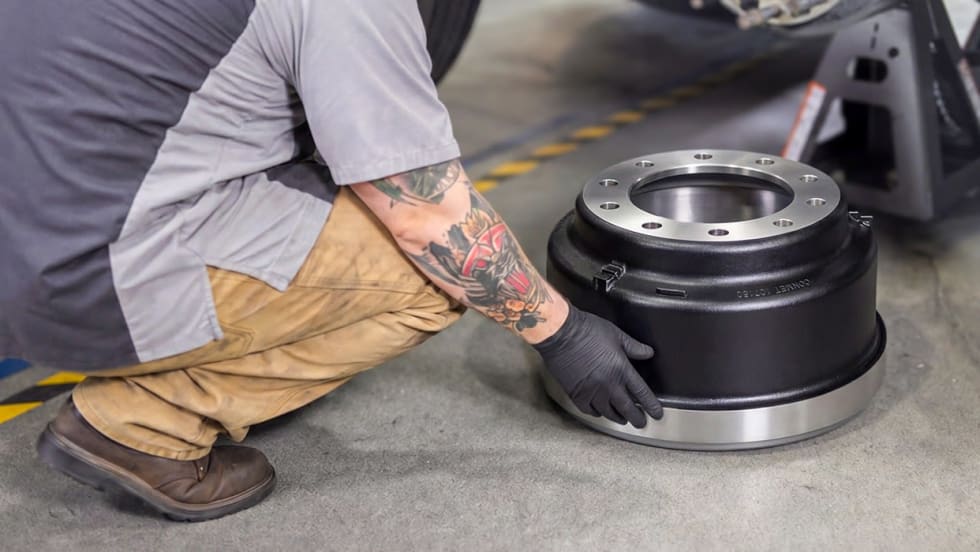
ConMet Expands Aftermarket Brake Drum Lineup With TruCast
A new heavy-duty truck brake drum option in the aftermarket gives customers more flexibility within the ConMet product family.
Read More →
Phillips Opens High-Tech Distribution Center for Faster Parts Delivery
Phillips Industries’ new Cincinnati-area distribution center is now shipping aftermarket trucking parts nationwide, aiming to speed up delivery times for customers.
Read More →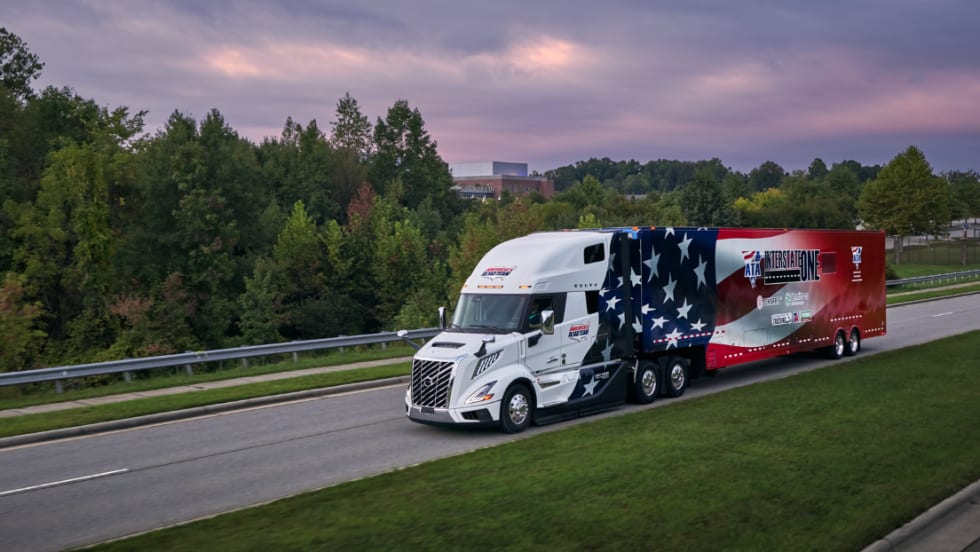
Volvo to Sponsor America’s Road Team for 2025
Volvo Trucks announced that it is extending its exclusive sponsorship of America’s Road Team for 2025.
Read More →
Webb to Start Taking Orders for UltraSet Pre-Adjusted Wheel Hubs
Webb, which recently acquired the Stemco Trifecta pre-adjusted hub program, will soon start taking orders for its replacement pre-assembled hub, the UltraSet.
Read More →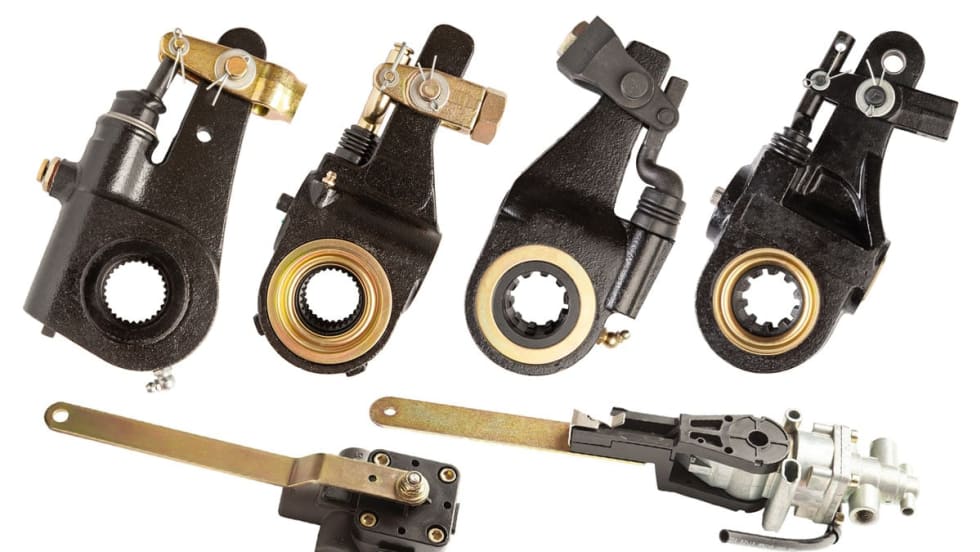
All-Makes Automatic Brake Adjusters, Ride Height Control Valves from Midland
SAF-Holland has added automatic brake adjusters and ride height control valves to its Midland All-Makes Program.
Read More →
ZF Aftermarket Expands [pro]Academy Training
ZF Aftermarket said it is expanding its ZF [pro]Academy training and will be adding 40 new modules this year.
Read More →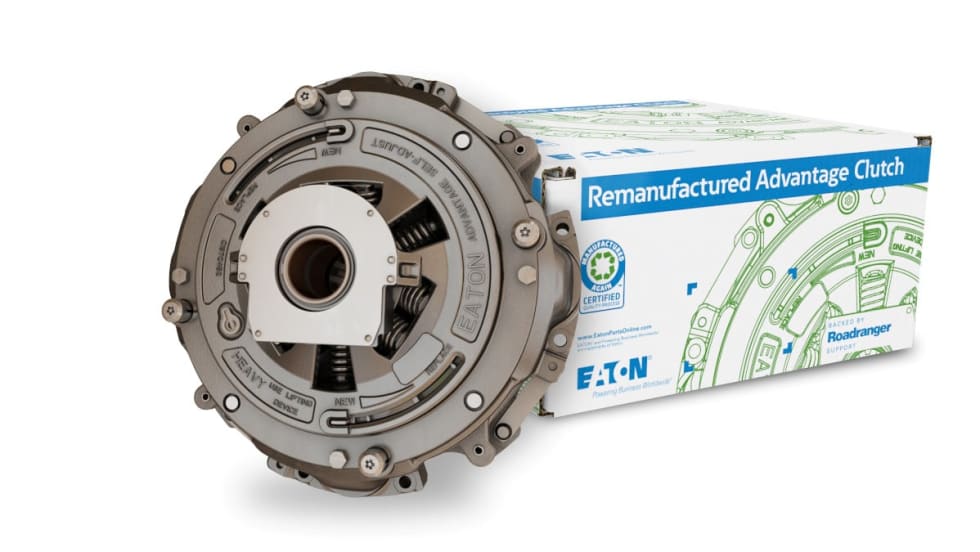
Eaton Adds Remanufactured Advantage Line of Clutches
Eaton has added its Advantage clutches to its remanufactured product line. The clutches feature a unique strap drive intermediate plate designed to allow customers to choose the latest OE specification
Read More →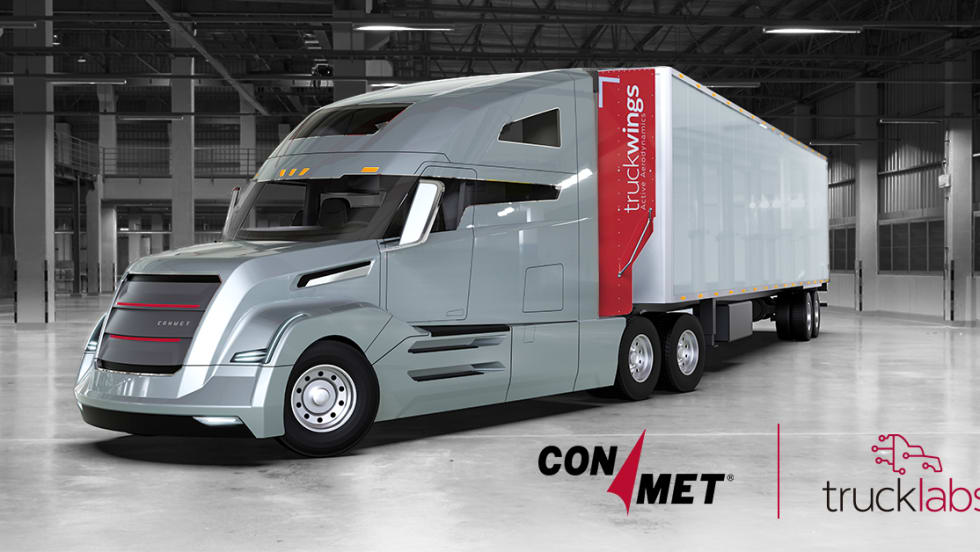
ConMet Acquires TruckLabs, the Creator of TruckWings
Commercial truck and trailer parts provider ConMet acquired TruckLabs, the company that created TruckWings, an aerodynamic device that attaches to truck cabs and deploys to close the gap between truck and trailer. TruckLabs now operates as a subsidiary of ConMet.
Read More →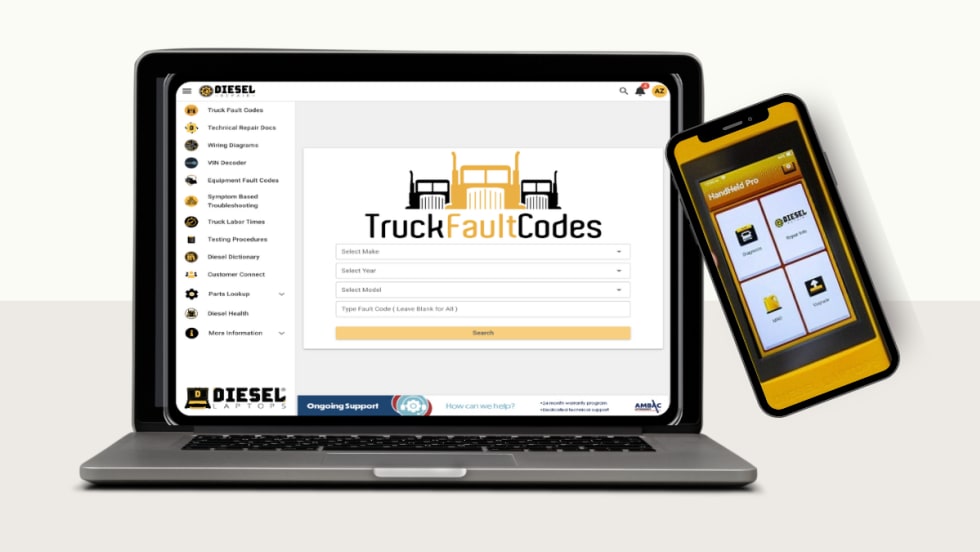
Diesel Laptops Releases Fault-Code-to-Part-Number Tool
Diesel Laptops said its Truck Fault Codes allows users to input a fault code and immediately identify and order the parts needed to complete repair work.
Read More →