




Hazmat Hauling Rules Tighten
Effective May 2, 2000, anyone who transports or offers for transport placardable quantities of hazardous materials must register as a hazmat hauler with the U.S. Department of Transportation’s Research and Special Programs Administration. The annual registration fee will be $300 or $2,000 depending on the size of the company.
Effective May 2, 2000, anyone who transports or offers for transport placardable quantities of hazardous materials must register as a hazmat hauler with the U.S. Department of Transportation’s Research and Special Programs Administration. The annual registration fee will be $300 or $2,000 depending on the size of the company.
RSPA says most of the changes are intended to increase funding for the national Hazardous Materials Emergency Preparedness grants program which funds training for state and local hazmat response personnel. The agency estimates that some 80,000 shipments of hazardous materials make their way through the national transportation system each day. The shipments range in size and type from single small parcels of consumer commodities, such a flammable adhesives, to bulk shipments of gasoline in tanker trucks and flammable or toxic gases in railroad tank cars. It also estimates that there are over 2 million emergency responders, including paid and volunteer personnel, who require initial training and periodic recertification.
The current rules base registration on the type and amount of material carried. RSPA says it receives about 27,000 registrations a year which raises $6.4 million for the HMEP programs -- about half the amount authorized.
Under new rules, annual registration would be required of "ny person who offers for transportation, or transports, in foreign, interstate or intrastate commerce...a quantity of hazardous material that requires placarding” under existing DOT rules. The only exception is farmers transporting materials to support their own farming operation.
Entities that qualify as a small business under criteria set by the U.S. Small Business Administration will pay $300 annually. That includes a $275 registration fee and a $25 processing fee. Larger companies will pay $1,975 plus the $25 processing fee.
RSPA estimates that the new placarding criteria will add 15,000 to 17,000 fee paying registrants. All but 500 will be small businesses. As many as 7,000 will be dealers of refined petroleum products such as residential fuel oil or diesel fuel.
Final rules appeared in the February 14, 2000, Federal Register which can be accessed at www.nara.gov/fedreg . Copies of the registration form and instructions are available by calling (617) 494-2545 or (202) 366-4109, or at hazmat.dot.gov.
More Drivers

Competition Heating Up for Truck Drivers
New report reveals rising driver hiring costs, the return of sign-on bonuses, growing AI advantages, and the operational factors shaping driver retention.
Read More →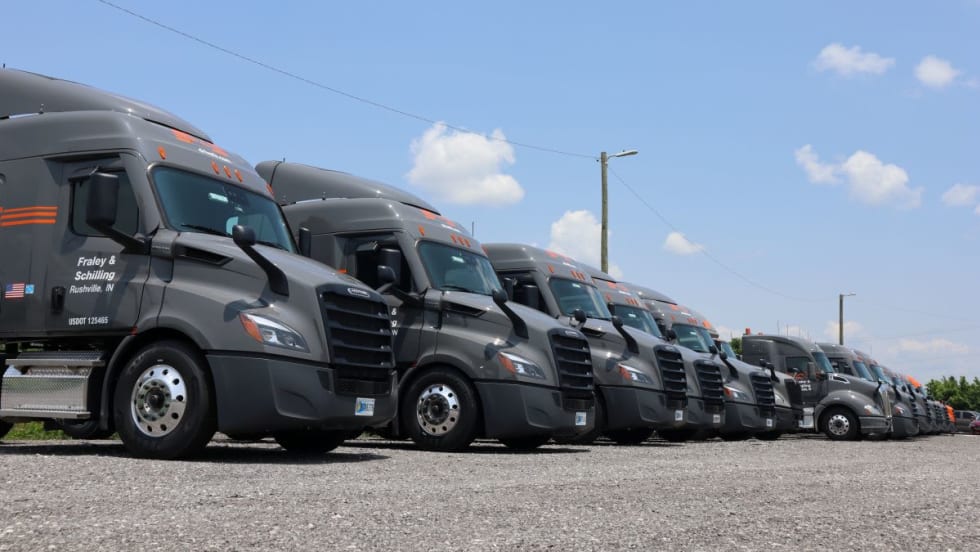
How Fraley & Schilling Improved Logbook Compliance by Over 50%
Fraley & Schilling needed a way to close a compliance workflow gap in its ELD system without adding more work from driver training, reminders, and back-office follow-ups. It found the answer in a custom driver app.
Read More →
Volvo Goes Gaming
Volvo has roared into American Truck Simulator with two new flagship trucks.
Read More →
What the Best Fleets to Drive For Teach About Driver Retention
Survey fatigue, AI-powered routing, owner-operator expectations, and the decline of social media all emerged as themes from this year's Best Fleets to Drive For program.
Read More →
Driver Retention Lessons From the Best Fleets to Drive For
What separates trucking's best workplaces from the rest? Jane Jazrawy shares the biggest lessons from this year's Best Fleets to Drive For program on driver retention, communication, AI, and workforce trends on the HDT Talks Trucking podcast.
Read More →
Farewell, CDL: Why I'm Giving Up My Commercial Driver's License
After more than 20 years as a CDL holder, HDT Executive Editor Jack Roberts is letting his commercial license expire. Not because he wants to — but because trucking's nuclear verdict crisis has made the risks of public-road test drives too great for editors, manufacturers, and everyone involved.
Read More →
How Top Trucking Fleets Improve Driver Retention [Video]
What do healthy snacks, optimized routing, and just picking up the phone have in common? They're all strategies the Best Fleets to Drive For are using to retain truck drivers.
Read More →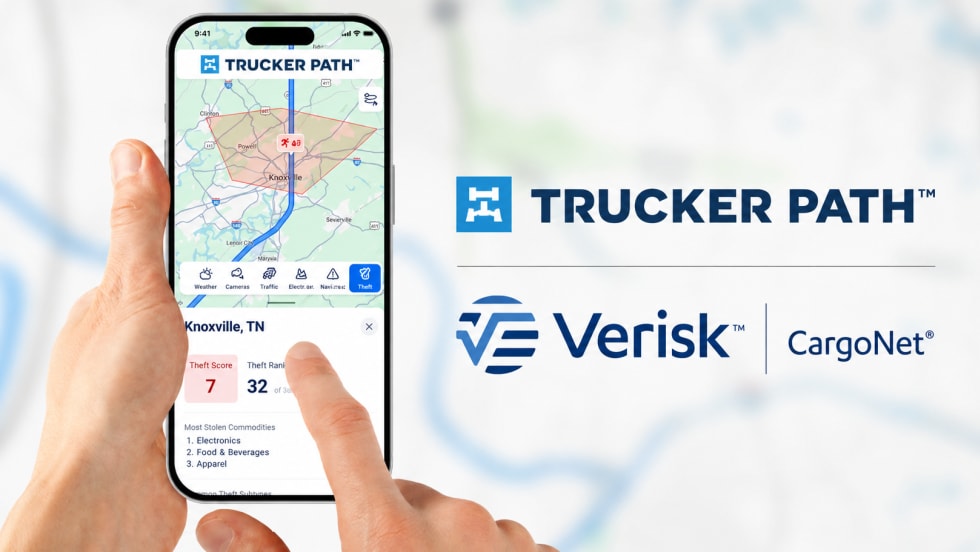
Trucker Path Adds Verisk CargoNet Theft Data to Navigation Platform
Trucker Path’s new cargo theft risk overlays give drivers and fleets visibility into high-risk areas, stolen commodity trends, and theft hotspots.
Read More →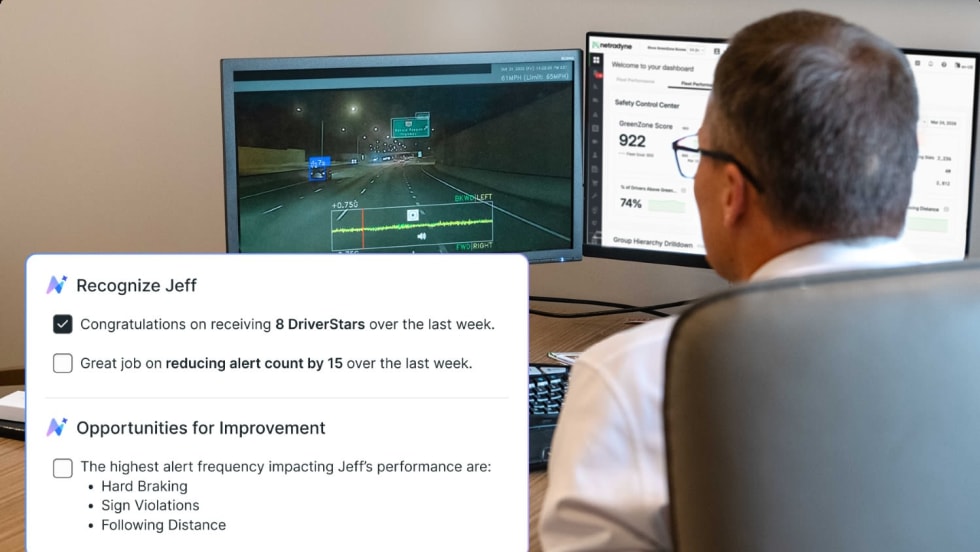
Netradyne Intelligence Uses New AI Agents to Automate Response to In-Cab Camera Data
The company called the next-generation in-cab camera safety platform "a fundamental shift from systems that report on what happened to systems that actively drive what should happen next."
Read More →
Why Truck Detention Keeps Costing Fleets Time and Money
A 2024 ATRI study found detention affects nearly 40% of truckload stops and costs the industry more than $15 billion annually. Despite the toll on drivers, fleets, and supply chains, the problem remains stubbornly persistent.
Read More →