




Gridlock Returns: INRIX National Traffic Scorecard
INRIX, a provider of traffic and navigation services, released its 4th Annual INRIX National Traffic Scorecard revealing gridlock and longer commute times returning to America's roads
INRIX, a provider of traffic and navigation services, released its 4th Annual INRIX National Traffic Scorecard revealing gridlock and longer commute times returning to America's roads.
Traffic congestion increased nationwide for 11 consecutive months in 2010 with drivers experiencing increased traffic congestion nearly every hour of the day. he 150+ page report is available as a free download at http://inrix.com/scorecard/.
"America is back on the road to gridlock," said Bryan Mistele, INRIX president and CEO. "Population growth combined with increases in interstate commerce spurred by economic recovery are fueling these increases. With only 150,000 new jobs created in our nation's urban centers last year, we can expect even worse gridlock when the 6 million jobs lost in the recession return to the nation's cities."
Despite only modest employment gains in 2010, drivers are experiencing an average 10 percent increase in travel times. If unemployment drops to 7 percent by 2012 as economists predict, 9 million more daily work trips will jam our nation's road network, INRIX predicts. Seventy of the 100 most populated cities in the U.S. are experiencing increases in traffic congestion. Nine cities already have surpassed their 2007 peak
After analyzing traffic on major highways in the nation's 100 largest metropolitan areas in 2010, INRIX says the 10 most congested U.S. cities are:
1. Los Angeles: On Thursday at 5:30 p.m., the average trip takes 71 percent longer than normal.
2. New York: On Friday at 5:15 p.m., the average trip takes 47 percent longer than normal.
3. Chicago: On Friday at 5:15 p.m., the average trip takes 41 percent longer than normal.
4. Washington, D.C.: On Thursday at 5:30 p.m., the average trip takes 51 percent longer than normal.
5. Dallas: On Friday at 5:15 p.m., the average trip takes 36 percent longer than normal.
6. San Francisco: On Thursday at 5:30 p.m., the average trip takes 63 percent longer than normal.
7. Houston: On Friday at 5:15 p.m., the average trip takes 33 percent longer than normal.
8. Boston: On Friday at 5:30 p.m., the average trip takes 33 percent longer than normal.
9. Philadelphia: On Friday at 5:15 p.m., the average trip takes 29 percent longer than normal.
10. Seattle: On Thursday at 5:15 p.m., the average trip takes 49 percent longer than normal.
These cities account for more than half of our nation's traffic congestion. New York, San Francisco and Philadelphia experienced increases of almost 20 percent.
Worst Traffic Corridors
Of the 341 traffic corridors of at least 3 miles long that experience heavy traffic congestion every day, the 10 worst were:
1. New York: An 11-mile stretch of I-95 SB (NE Thwy, Bruckner/Cross Bronx Expys) from Conner St to the Hudson Terrace exit that takes 43 minutes on average with 30 minutes of delay.
2. Los Angeles: A 20-mile stretch of the Riverside Fwy/CA-91 EB from the CA-55/Costa Mesa Fwy interchange to the McKinley St. exit that takes 57 minutes on average with 37 minutes of delay.
3. Los Angeles: A 13-mile stretch of the San Diego Fwy/I-405 NB from I-105/Imperial Hwy interchange through the Getty Center Dr. exit that takes 41 minutes on average with 28 minutes of delay.
4. Chicago: A 16-mile stretch of I-90/I-94 EB (Kennedy/Dan Ryan Expys) from the I-294/Tri-State Tollway to the Ruble St. exits that takes 49 minutes on average with 32 minutes of delay.
5. Los Angeles: A 15-mile stretch of the Santa Monica Fwy/I-10 EB from CA-1/Lincoln Blvd. exit to Alameda St. that takes 42 minutes on average with 28 minutes of delay.
6. New York: A 16-mile stretch of the Long Island Expy/I-495 EB from the Maurice Ave. exit to Mineaola Ave./Willis Ave. exit that takes 45 minutes on average with 29 minutes of delay.
7. Los Angeles: A 17.5-mile stretch of I-5 SB (Santa Ana/Golden St Fwys) from E. Cesar Chavez Ave to Valley View Ave. exits that takes 45 minutes on average with 30 minutes of delay.
8. New York: A 10-mile stretch of I-278 WB (Brooklyn Queens/Gowanus Expy) from NY-25A/Northern Blvd. to the NY-27/Prospect Expy. Exits that takes 37 minutes on average with 24 minutes of delay.
9. Pittsburgh: An intense 3-mile stretch of Penn Lincoln Pkwy/I-376 EB from Lydia St. to the US-19 TK RT/PA-51 exit that takes 17 minutes on average with 13 minutes of delay in the morning peak period.
10. Los Angeles: A 13-mile stretch of the San Bernadino Fwy/I-10 EB from City Terrace/Herbert Ave. to Baldwin Park Blvd. that takes 37 minutes on average with 24 minutes of delay.
The Annual INRIX Traffic Scorecard is based on analysis of raw data from INRIX's own historical traffic database generated by the company's Smart Driver Network of more than 4 million vehicles traveling the roads every day including taxis, airport shuttles, service delivery vans, long haul trucks as well as consumer vehicles and mobile devices. Each data report from these GPS-equipped vehicles and devices includes the speed, location and heading of a particular vehicle at a reported date and time.
More Drivers
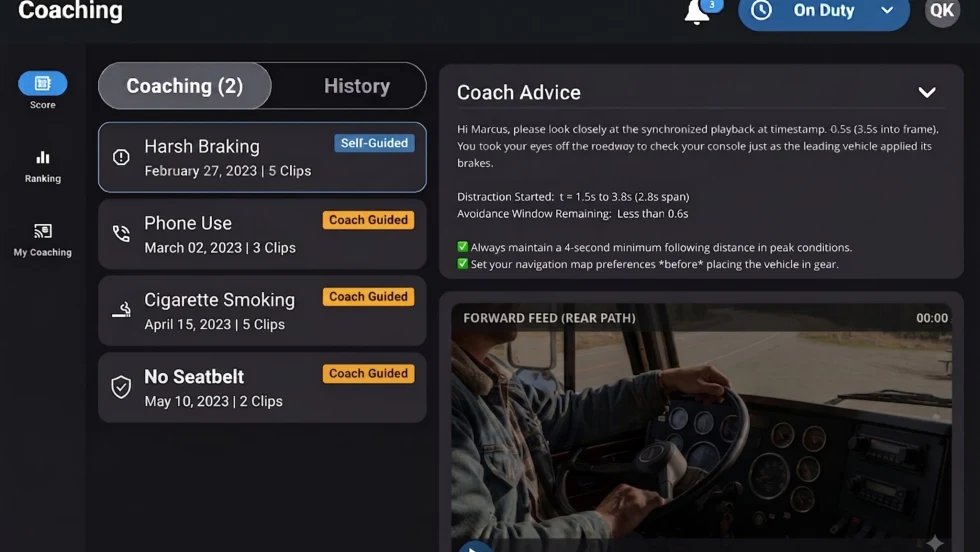
Platform Science Adds Dispatch and Safety Tools
Four additions to PS Fleet help fleets monitor loads, manage driver coaching, share truck locations and adjust video system settings.
Read More →
When Language Stops the Truck: The Return of ELP Out-of-Service Orders
English language proficiency rules for commercial drivers aren’t new, but renewed out-of-service enforcement has raised the stakes. Here’s what carriers need to know before a driver reaches a roadside inspection.
Read More →
Samsara Launches Custom AI Agent Builder
Agent Studio lets fleets create AI tools for hours-of-service monitoring, reporting and driver support, including agents that communicate by phone.
Read More →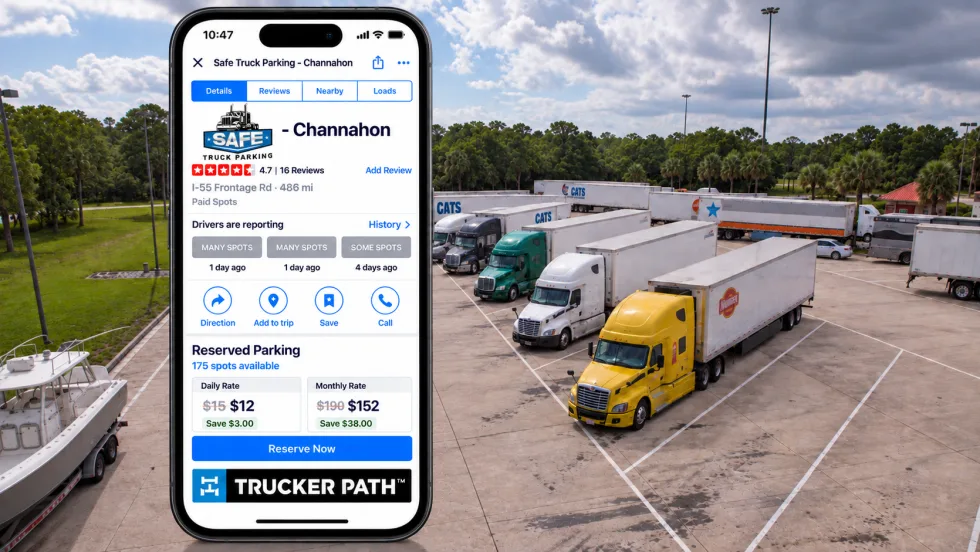
Trucker Path Expands Reserved Parking Network
Trucker Path has added close to 6,000 more truck parking spaces to its Trucker Path Reserved Parking Network with the addition of Safe Truck Parking.
Read More →
EEOC Sues Texas Trucking Company Over Driver Age Limits
The agency says Trancasa USA rejected applicants over 65 and applied tougher driving-record standards to those over 60.
Read More →
Nussbaum, Roehl Announce Second Driver Pay Increase This Year
This year has seen a swath of major truck driver pay increases as freight capacity has tightened.
Read More →
From One Generation to the Next: How Mentorship Builds Safer Truck Drivers
After three decades in trucking, Harold Perry shares what he's learned about driver safety, mentorship, and helping the next generation build confidence behind the wheel.
Read More →
Truck Drivers Need More Than Another Alert
Fleets have more visibility into truck health, safety events, and driver activity than ever. The next challenge is turning all that information into useful guidance for the person who has to decide what to do next.
Read More →
FMCSA Removes 110 Truck Driver Training Schools from Certified ELDT List
Federal regulators also are targeting more than 160 additional training providers and launching a nationwide audit of third-party CDL skills testers as part of a broader crackdown on trucking fraud.
Read More →
Hours of Service Pilot Programs: FMCSA Readies for 2027 Rollout
Two pilot programs could eventually reshape hours-of-service rules, giving truck drivers options to pause their 14-hour clock or use longer split sleeper rest periods.
Read More →