




GRI Study Pushes Natural Gas
An analysis of more than 40 studies on transportation fuels has found strong evidence that substituting natural gas for diesel in heavy-duty trucks and buses significantly reduces the health risks from diesel exhaust
An analysis of more than 40 studies on transportation fuels has found strong evidence that substituting natural gas for diesel in heavy-duty trucks and buses significantly reduces the health risks from diesel exhaust.
The analysis of government, private industry and university research on emissions from heavy-duty diesel and natural gas vehicles and their impact on air quality and public health was sponsored by Chicago-based GRI and conducted by Engine, Fuel, and Emissions Engineering Inc., Sacramento, CA.
More than 40 studies were examined, including research by the U.S. Environmental Protection Agency, National Renewable Energy Laboratory, Society of Automotive Engineers, California Air Resources Board, and the South Coast Air Quality Management District. Also reviewed were studies by the mechanical engineering departments at the University of Minnesota, Colorado School of Mines, and West Virginia University, as well as related congressional testimony and court records.
"The analysis refutes contentions by some that natural gas vehicles are unnecessary because a new generation of 'clean diesel' engines emit fewer pollutants," said Rajeana Gable, GRI program manager. "Study after study documents that diesels in actual use still emit large amounts of pollutants. While gasoline engines for passenger cars have achieved impressive emission reductions during the past 20 years, diesel engines in new heavy-duty vehicles continue to produce high levels of pollution. In fact, research shows that new diesel transit buses still emit 80 times the nitrogen oxides and 60 times the particulate matter emitted by today's gasoline-powered vehicles even though they easily pass applicable standards."
Newly available data also show that particulate emissions from diesel engines in heavy-duty vehicles in-use consistently exceed certification standards. Data from a series of tests by the NREL and the U.S. Department of Energy show that diesel trucks with engines certified to the current PM standard of 0.1 gram per brake horsepower-hour (g/BHP-hr) had average in-use PM emissions of 0.23 g/BHP-hr -- more than twice the standard. Many trucks were emitting 0.4-0.6 g/BHP-hr by the time they had accumulated 200,000 miles. The NREL data show that actual average natural gas engine emissions of vehicles in-use were well below the standard at 0.016 g/BHP-hr for both buses and trucks.
One of the criticisms of natural gas vehicles is cost, which the analysis indicates is usually higher than the price of a comparable diesel vehicle. However, the analysis also shows that costs have declined in recent years, and that the cost differential is likely to be reduced further in the next few years as economies of mass production reduce natural gas engine and cylinder prices. Compliance with the 2004 emission standards is also expected to increase diesel engine and fuel costs.
The GRI report is available at no charge and can be ordered directly from the GRI Document Fulfillment Center, 1510 Hubbard Drive, Batavia, IL 60510, by fax at (630) 406-5995.
More Aftermarket

AUCTION OF EQUITY INTEREST IN HEAVY HAUL TRUCKING COMPANY!!
Mark your calendar: June 30, 2026 (10:00 a.m. PDT). A 37.5% ownership interest in MagnaTrans, LLC, a California limited liability company doing business as Magna Transportation Group, will be sold in an in-person and online auction to the highest bidder or bidders under Article 9 of the Uniform Commercial Code. The Rancho Cucamonga-based heavy haul and over-dimensional trucking company operates across California, Oregon, and Arizona.
Read More →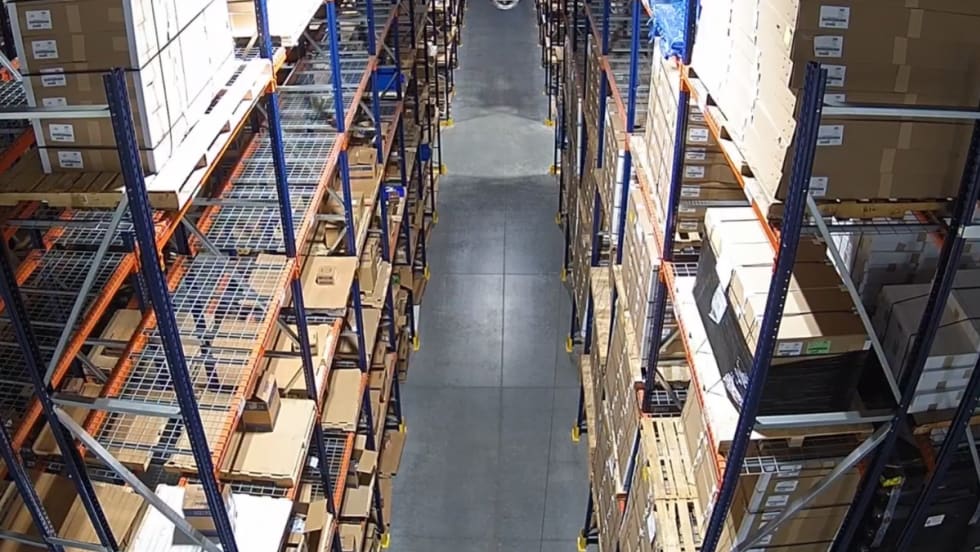
Phillips Opens High-Tech Distribution Center for Faster Parts Delivery
Phillips Industries’ new Cincinnati-area distribution center is now shipping aftermarket trucking parts nationwide, aiming to speed up delivery times for customers.
Read More →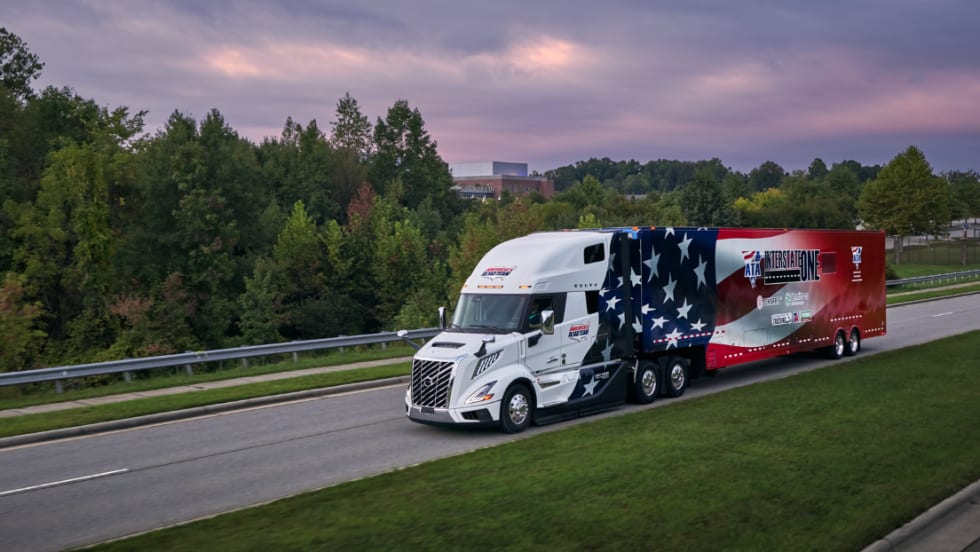
Volvo to Sponsor America’s Road Team for 2025
Volvo Trucks announced that it is extending its exclusive sponsorship of America’s Road Team for 2025.
Read More →
Webb to Start Taking Orders for UltraSet Pre-Adjusted Wheel Hubs
Webb, which recently acquired the Stemco Trifecta pre-adjusted hub program, will soon start taking orders for its replacement pre-assembled hub, the UltraSet.
Read More →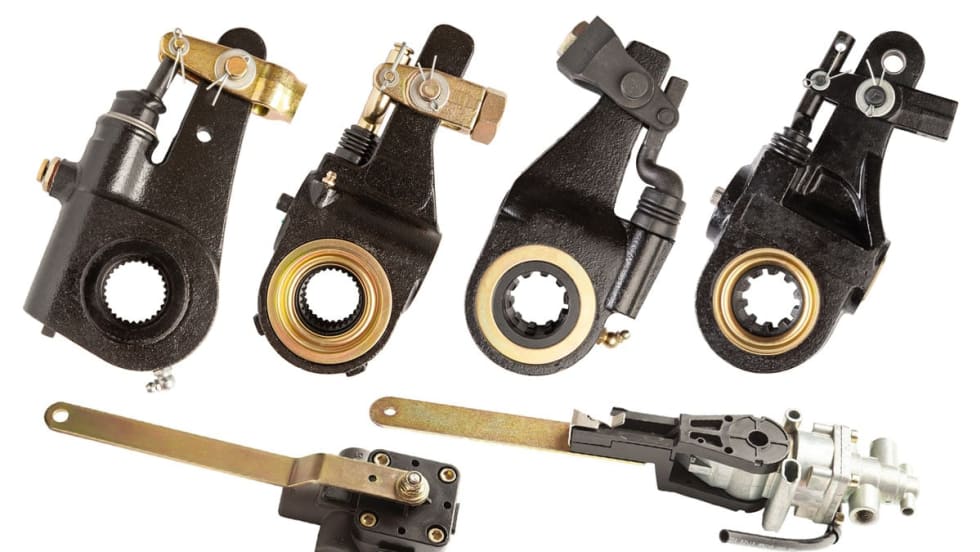
All-Makes Automatic Brake Adjusters, Ride Height Control Valves from Midland
SAF-Holland has added automatic brake adjusters and ride height control valves to its Midland All-Makes Program.
Read More →
ZF Aftermarket Expands [pro]Academy Training
ZF Aftermarket said it is expanding its ZF [pro]Academy training and will be adding 40 new modules this year.
Read More →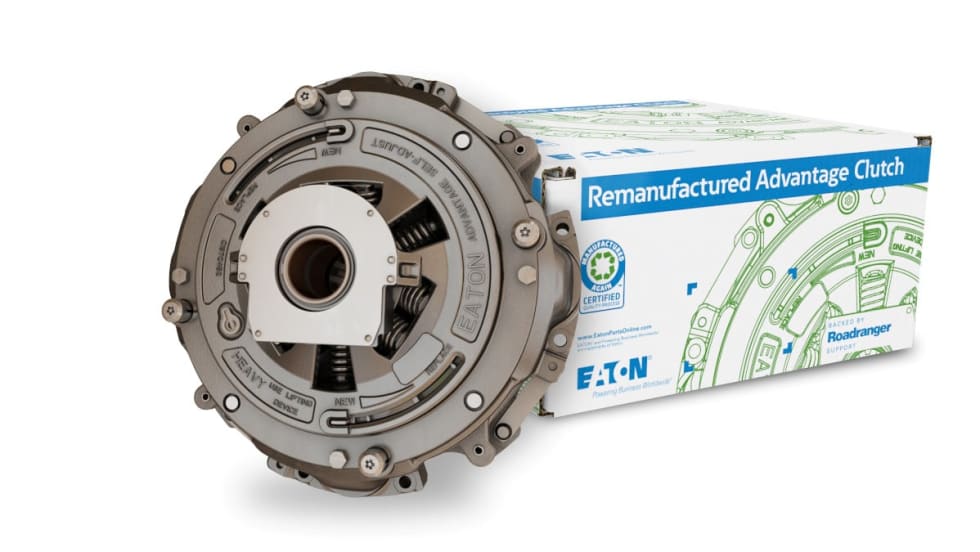
Eaton Adds Remanufactured Advantage Line of Clutches
Eaton has added its Advantage clutches to its remanufactured product line. The clutches feature a unique strap drive intermediate plate designed to allow customers to choose the latest OE specification
Read More →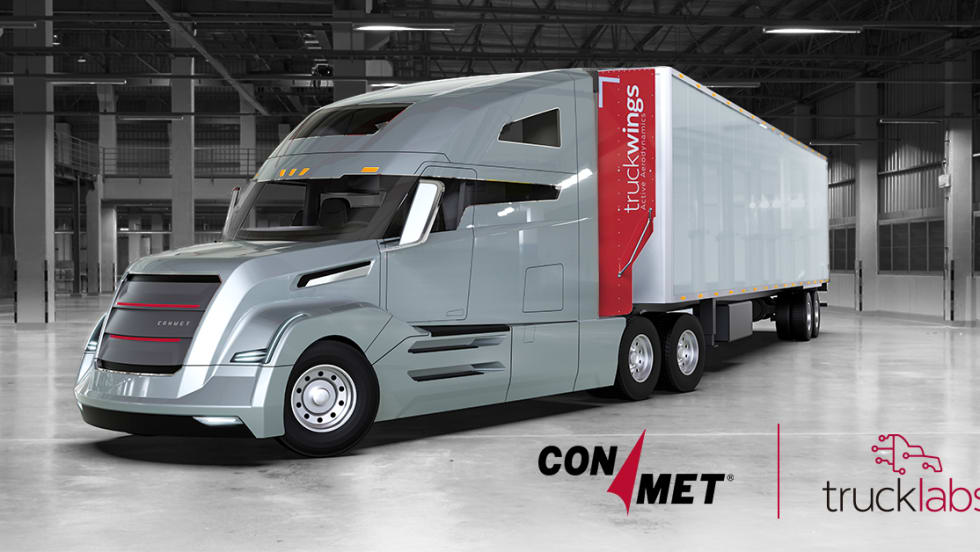
ConMet Acquires TruckLabs, the Creator of TruckWings
Commercial truck and trailer parts provider ConMet acquired TruckLabs, the company that created TruckWings, an aerodynamic device that attaches to truck cabs and deploys to close the gap between truck and trailer. TruckLabs now operates as a subsidiary of ConMet.
Read More →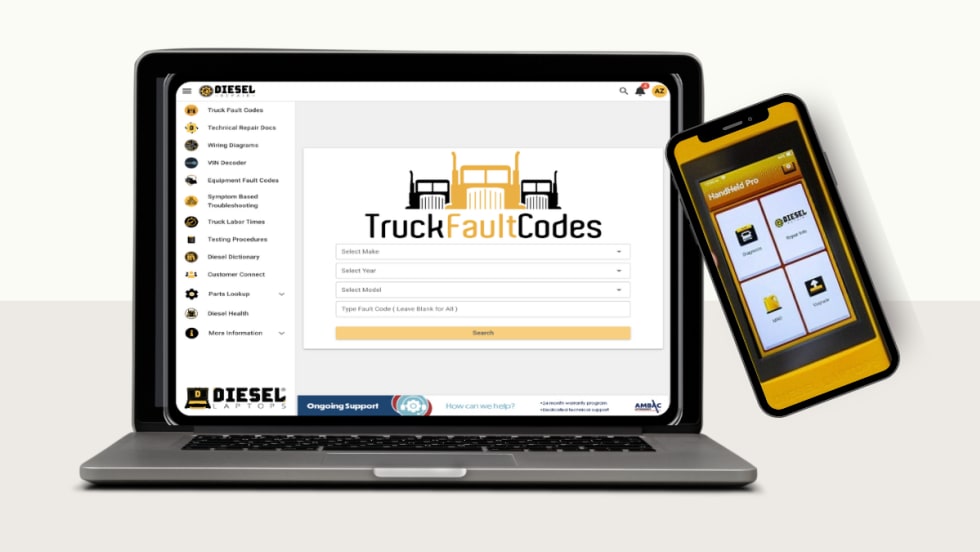
Diesel Laptops Releases Fault-Code-to-Part-Number Tool
Diesel Laptops said its Truck Fault Codes allows users to input a fault code and immediately identify and order the parts needed to complete repair work.
Read More →
Heavy Duty Parts and Labor Costs Dropped in Q2
A benchmarking report from TMC and Decisiv reveals good news for fleets as heavy-duty parts and labor costs dropped in the second quarter of 2023.
Read More →