




Governors Call Speeding a Serious Problem 10 Years After National Speed Limit Repeal
The Governors Highway Safety Assn. on Monday released a new survey of its member jurisdictions detailing efforts to control speeding by motorists
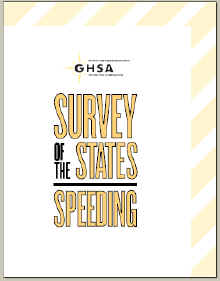
The association's report, “Survey of the States: Speeding,” can be found at www.ghsa.org.
The Governors Highway Safety Assn. on Monday released a new survey of its member jurisdictions detailing efforts to control speeding by motorists.
The report comes nearly ten years after Congress repealed the National Maximum Speed Limit, which had required states to keep speed limits at a maximum of 65 miles per hour in rural areas and 55 mph in urban areas.
According to GHSA Chair Lt. Colonel Jim Champagne, “In addressing the speeding problem, we are where we were twenty-five years ago with drunk driving: there is a serious problem but we do not have an effective remedy.”
Of the 50 GHSA jurisdictions that responded to the survey, 38 indicated a speed limit increase in their jurisdiction since 1994. Just as troubling is an analysis from the Insurance Institute for Highway Safety which reports that 31 states have raised speed limits to 70 mph or higher on some portion of their roadways. A 1999 IIHS study found that deaths increased an estimated 15 percent on interstates and freeways in 24 states that raised speed limits after the repeal of the National Maximum Speed Limit.
Nationally, statistics indicate speeding-related fatalities have remained level since the National Maximum Speed Limit repeal. According to GHSA Chair Champagne, “We should have experienced a significant decline in speeding-related fatalities given the tremendous gains in safety belt use coupled with the increasingly safe design of vehicles. However, it appears these benefits have been minimized by increasing speeds.” Given the trends, Champagne indicates that it's not surprising that speeding-related fatalities continue to represent a third of overall highway fatalities. He says, “As a country, if we are going to reduce the carnage on our roadways, speeding must be given the same level of attention that has been given to occupant protection and impaired driving.”
The problem with speeding is not just the increased speed limits but also the fact that the public feels comfortable driving above the posted limits, even when road conditions are less than ideal. Of the 50 GHSA jurisdictions surveyed, 42 indicated there exists a “cushion” of 5-10 mph, not only in the minds of the public but also in enforcement practice. Champagne states, “This cushion truly exists across this country and in some cases is more than 10 mph above posted limits. Law enforcement need to be given the political will to enforce speed limits and the public must get the message that speeding will not be tolerated.”
GHSA's Survey found that its jurisdictions believe increased enforcement of speeding-related laws has become very difficult because of uncertainty in highway safety funding and decreased numbers of officers due to retirements, as well as an increased emphasis on homeland security issues. One remedy to augment diminishing police enforcement is the use of automated enforcement, commonly known as “speed cameras.” These systems combine radar or laser-measuring technology and video or photographic identification to automatically detect and record speed limit violations. Despite the effectiveness of automated enforcement, GHSA's Survey indicates that only six states and the District of Columbia have implemented speed camera programs. According to Champagne, “Clearly, more of our jurisdictions need to consider using these tools as part of their enforcement effort. I am hopeful that one of the recommendations of the National Forum on Speeding will be a strong endorsement for increased automated enforcement.”
Another area that requires additional focus is data collection. Of the 50 GHSA jurisdictions that responded to the Survey, 48 collect speeding-related crash data but only 31 jurisdictions have a statewide database to log speeding-related citation data. This makes it difficult to form undisputable conclusions about the frequency and effectiveness of enforcement efforts.
Champagne believes that despite grim statistics, there is hope. “While most states are struggling with the speeding issue, some GHSA jurisdictions have implemented innovative efforts to combat this problem.” He cites Georgia and some of the other states in the Southeast region that have had success with their summer “H.E.A.T. (Highway Enforcement of Aggressive Traffic)” campaigns. These efforts combine massive corridor speeding-related enforcement along with paid advertisements warning the public about speeding. The Washington, D.C.-area has also developed a highly-visible “Smooth Operator” program which has increased attention to speeding in the area.
Champagne concludes that reducing speeding-related injuries and fatalities is a tremendous undertaking but one that must be done. He says, “It is going to be difficult to make significant progress, but we must remember that in highway safety much progress has been made in increasing safety belt use and reducing drunk driving. With a similar commitment of energy and cooperation, progress can be made.”
More Drivers
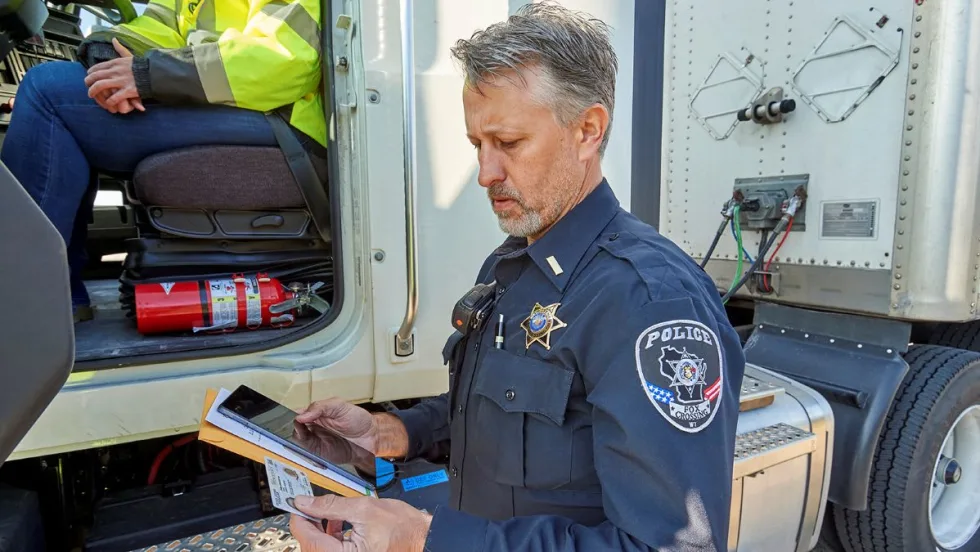
When Language Stops the Truck: The Return of ELP Out-of-Service Orders
English language proficiency rules for commercial drivers aren’t new, but renewed out-of-service enforcement has raised the stakes. Here’s what carriers need to know before a driver reaches a roadside inspection.
Read More →
Samsara Launches Custom AI Agent Builder
Agent Studio lets fleets create AI tools for hours-of-service monitoring, reporting and driver support, including agents that communicate by phone.
Read More →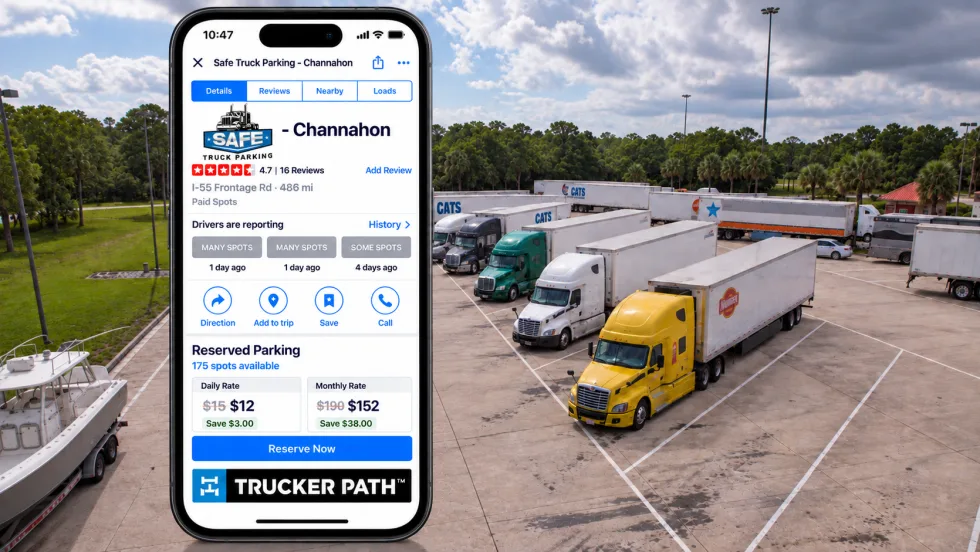
Trucker Path Expands Reserved Parking Network
Trucker Path has added close to 6,000 more truck parking spaces to its Trucker Path Reserved Parking Network with the addition of Safe Truck Parking.
Read More →
EEOC Sues Texas Trucking Company Over Driver Age Limits
The agency says Trancasa USA rejected applicants over 65 and applied tougher driving-record standards to those over 60.
Read More →
Nussbaum, Roehl Announce Second Driver Pay Increase This Year
This year has seen a swath of major truck driver pay increases as freight capacity has tightened.
Read More →
From One Generation to the Next: How Mentorship Builds Safer Truck Drivers
After three decades in trucking, Harold Perry shares what he's learned about driver safety, mentorship, and helping the next generation build confidence behind the wheel.
Read More →
Truck Drivers Need More Than Another Alert
Fleets have more visibility into truck health, safety events, and driver activity than ever. The next challenge is turning all that information into useful guidance for the person who has to decide what to do next.
Read More →
FMCSA Removes 110 Truck Driver Training Schools from Certified ELDT List
Federal regulators also are targeting more than 160 additional training providers and launching a nationwide audit of third-party CDL skills testers as part of a broader crackdown on trucking fraud.
Read More →
Hours of Service Pilot Programs: FMCSA Readies for 2027 Rollout
Two pilot programs could eventually reshape hours-of-service rules, giving truck drivers options to pause their 14-hour clock or use longer split sleeper rest periods.
Read More →
Medical Cards, English Proficiency Reshape Roadcheck Violations
Medical-card violations jumped to the top of the driver out-of-service list during CVSA’s 2026 International Roadcheck, while English-language proficiency violations appeared among the leading violations for the first time.
Read More →