




Government Scales Back TIPS Plan
After heavy criticism and action by Congress to prohibit it, a Bush administration proposal to develop a network of anti-terrorism tipsters, including truckers, is being scaled back
After heavy criticism and action by Congress to prohibit it, a Bush administration proposal to develop a network of anti-terrorism tipsters, including truckers, is being scaled back.
According to the Associated Press, the Justice Department modified the plan to exclude people form the program that often have access to people’s homes, such as meter readers or postal workers. Instead, the Terrorism Information and Prevention System will focus on workers who operate on the highways, such as truckers, and at the ports of entry.
The American Civil Liberties Union says any form of the program is a breach of public trust. The U.S. House of Representatives has passed legislation forbidding the program, and a companion bill is pending in the Senate.
The news came at the same time as a group of 50 truckers in Pennsylvania joined the Highway Watch program, part of which encourages truckers to report suspicious activity to authorities.
The Highway Watch program, administered by the American Trucking Associations and now under way in 13 states, began in 1998 as a way for truckers to alert authorities to dangerous road conditions and stranded motorists. The ATA added the antiterrorism component after the Sept. 11 terrorist attacks last year.
So far, 2,000 truckers nationwide are authorized, after special training, to report suspicious activity to a toll-free number. Dispatchers then direct calls to the appropriate federal or state law enforcement agency. Since the national program began in April, the call center has logged about 100 calls, most of them safety-related.
Pennsylvania Homeland Security Director Earl Freilino told the Philadelphia Inquirer that Highway Watch, unlike TIPS, is “noninvasive” because the surveillance is targeted at public areas, not around people’s homes.
Some of the kinds of activities truckers are encouraged to report, according to the paper, include someone placing a package by a bridge or under a vehicle and people photographing potential targets such as bridges or tunnels – but not people who just “look like a terrorist,” which could lead to racial and ethnic profiling.
More Drivers
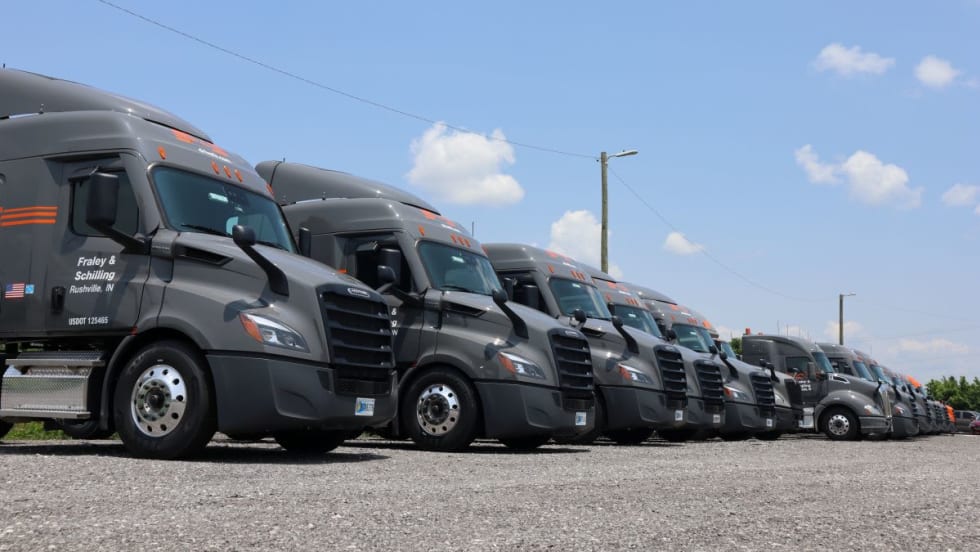
How Fraley & Schilling Improved Logbook Compliance by Over 50%
Fraley & Schilling needed a way to close a compliance workflow gap in its ELD system without adding more work from driver training, reminders, and back-office follow-ups. It found the answer in a custom driver app.
Read More →
Volvo Goes Gaming
Volvo has roared into American Truck Simulator with two new flagship trucks.
Read More →
What the Best Fleets to Drive For Teach About Driver Retention
Survey fatigue, AI-powered routing, owner-operator expectations, and the decline of social media all emerged as themes from this year's Best Fleets to Drive For program.
Read More →
Driver Retention Lessons From the Best Fleets to Drive For
What separates trucking's best workplaces from the rest? Jane Jazrawy shares the biggest lessons from this year's Best Fleets to Drive For program on driver retention, communication, AI, and workforce trends on the HDT Talks Trucking podcast.
Read More →
Farewell, CDL: Why I'm Giving Up My Commercial Driver's License
After more than 20 years as a CDL holder, HDT Executive Editor Jack Roberts is letting his commercial license expire. Not because he wants to — but because trucking's nuclear verdict crisis has made the risks of public-road test drives too great for editors, manufacturers, and everyone involved.
Read More →
How Top Trucking Fleets Improve Driver Retention [Video]
What do healthy snacks, optimized routing, and just picking up the phone have in common? They're all strategies the Best Fleets to Drive For are using to retain truck drivers.
Read More →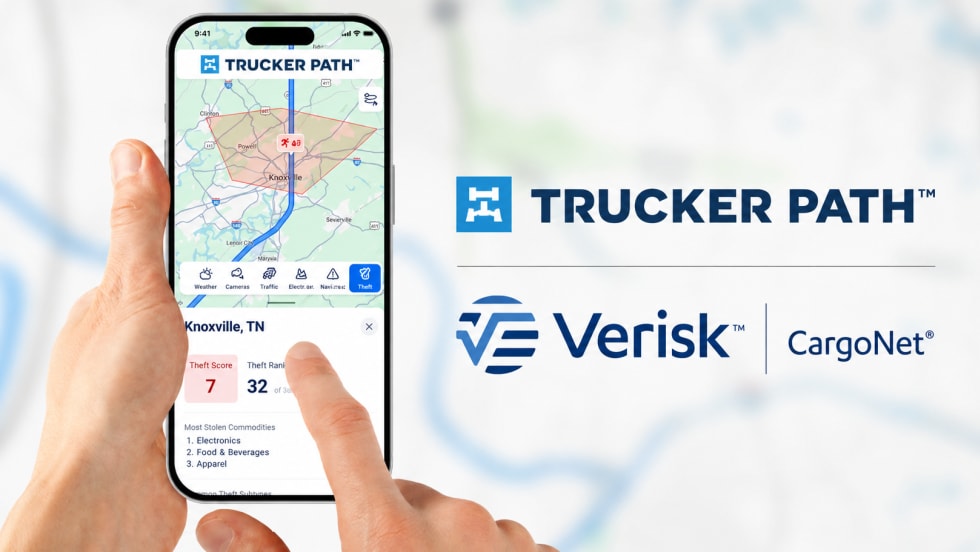
Trucker Path Adds Verisk CargoNet Theft Data to Navigation Platform
Trucker Path’s new cargo theft risk overlays give drivers and fleets visibility into high-risk areas, stolen commodity trends, and theft hotspots.
Read More →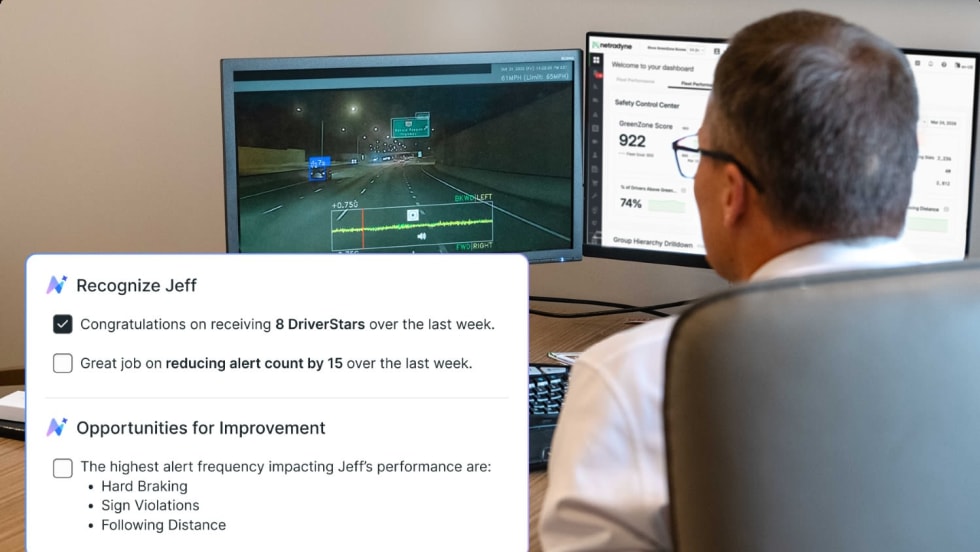
Netradyne Intelligence Uses New AI Agents to Automate Response to In-Cab Camera Data
The company called the next-generation in-cab camera safety platform "a fundamental shift from systems that report on what happened to systems that actively drive what should happen next."
Read More →
Why Truck Detention Keeps Costing Fleets Time and Money
A 2024 ATRI study found detention affects nearly 40% of truckload stops and costs the industry more than $15 billion annually. Despite the toll on drivers, fleets, and supply chains, the problem remains stubbornly persistent.
Read More →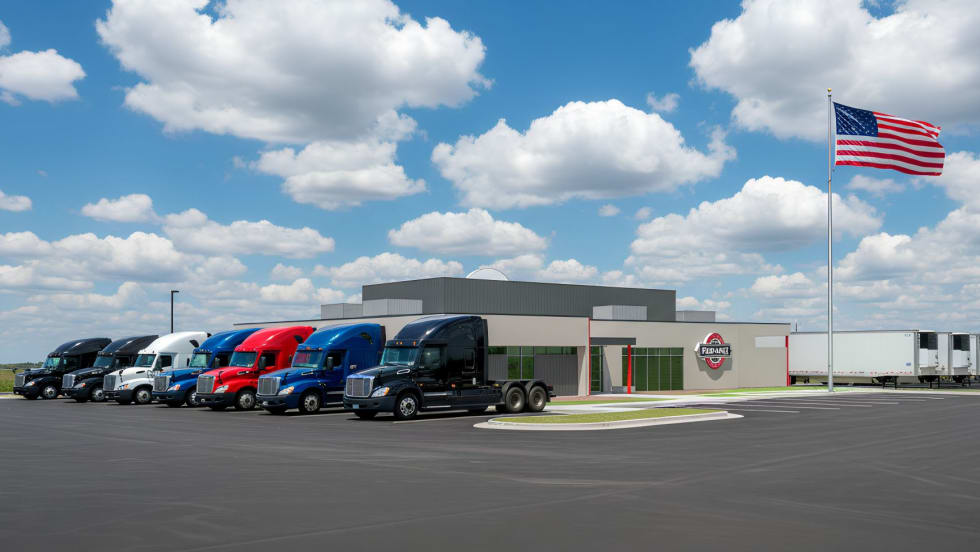
Prime Inc. to Open $7.9M Flagship Used-Truck Dealership
A new driver-focused facility to sell Prime Inc's used trucks and trailers will be the first purpose-built location in the company's history.
Read More →