




Goodyear Automatic Tire Inflation System in Fleet Testing
Goodyear will test its Air Maintenance Technology for commercial vehicles -- which keeps tires inflated without any external pumps or electronics -- on trucking fleets over the next year and a half.
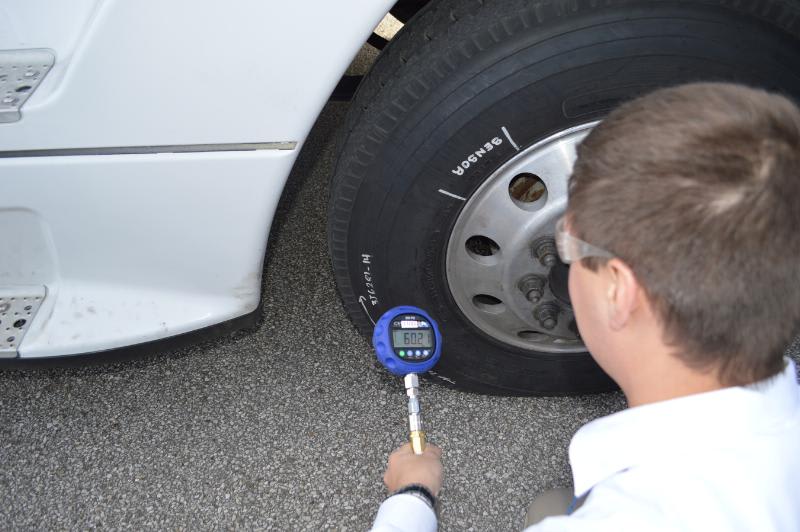
A Goodyear Tire & Rubber Company tire test engineer checks the pressure on a tire equipped with the company's Air Maintenance Technology. Photo: Goodyear.
A Goodyear Tire & Rubber Company tire test engineer checks the pressure on a tire equipped with the company's Air Maintenance Technology. Photo: Goodyear.
Goodyear says it will be testing its Air Maintenance Technology for commercial vehicles -- which keeps tires inflated without any external pumps or electronics -- on trucking fleets over the next year and a half.
Goodyear has been developing and testing the technology since 2011. It automatically keeps tires inflated to a specified cold inflation pressure with internal pumps and sensors. The AMT system is designed to work under many operating conditions and through multiple retreads.
“This is an important milestone in the development of AMT for the commercial trucking marketplace,” said Joseph Zekoski, chief technical officer. “The tires equipped with AMT have performed well in testing and we are pleased that so many of our fleet customers were eager to collaborate with us.”
The system uses a peristaltic pump technology to automatically maintain tire pressures specified by the fleet. All components of the AMT system are contained within the tire.
Properly inflated tires result in lower emissions, longer tire life, improved safety and better performance.
The Department of Energy’s Office of Vehicle Technology gave a $1.5 million grant to assist in the research and development of AMT. Representatives from the DOE met with Goodyear’s AMT teams in September to review the progress on the project.
“This phase of testing will go a long way in helping us determine when we can make this technology available in the commercial tire marketplace,” said Zekoski.
More Fuel Smarts

California Bill Could Shed Light on Electric Truck Prices
Why do battery-electric Class 8 trucks remain so expensive? A California bill headed to Gov. Gavin Newsom would give fleets and state agencies more visibility into what manufacturers charge.
Read More →
Detroit Opens Orders for EPA 2027 Engines
Detroit isn’t starting from scratch to meet EPA 2027 diesel emissions standards. Its Gen 6 DD13 and DD15 engines keep much of today’s platform while updating the fuel and aftertreatment systems.
Read More →
Zero-Emission Truck Corridor Planned for West Coast
California, Oregon, Washington, British Columbia and Baja California are coordinating plans for truck charging and hydrogen fueling from Canada to Mexico.
Read More →
A Closer Look at Kenworth’s Electric T880E Vocational Truck [Video]
Learn more about Kenworth's T880E battery-electric vocational truck at the Paccar Technical Center, including its range, applications, upfitting considerations, and PTO options, in this HDT Spotlight video.
Read More →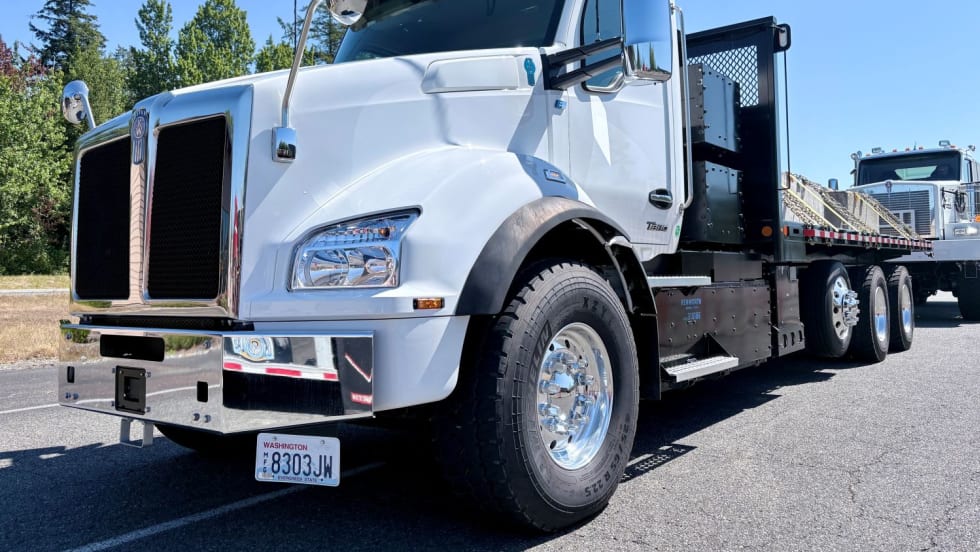
Kenworth T880E Brings EV Power to Vocational Trucks
A closer look at the Kenworth T880E’s range, charging, powertrain and upfit options — and where fleets are showing the most interest.
Read More →
Jennie Abarca Is Proving Electric Trucks Can Do the Job
HDT Truck Fleet Innovator Jennie Abarca is building confidence in fleet electrification one load at a time while openly sharing the challenges she encounters along the way as a small-fleet owner.
Read More →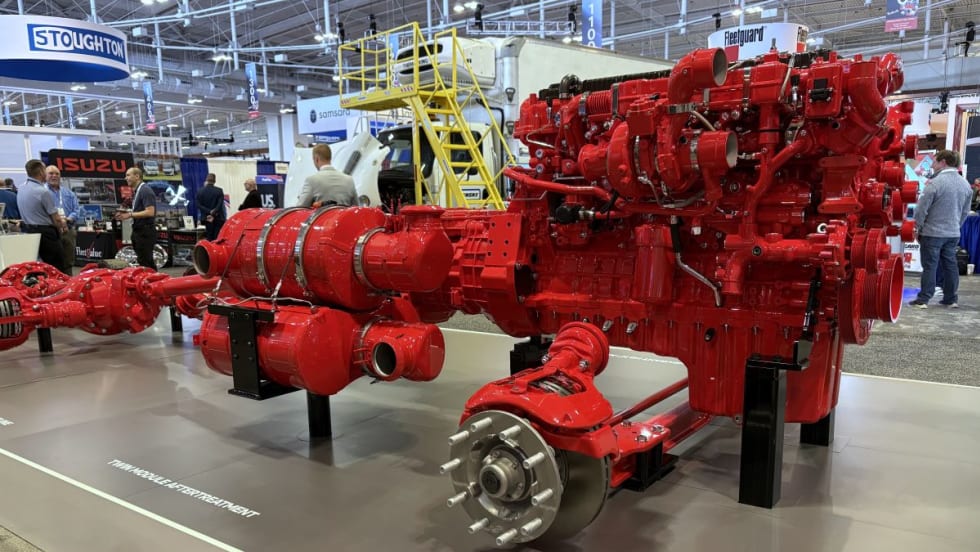
Cummins Adjusts 2027 Engine Rollout After EPA Proposal
The engine maker will gradually introduce its new Model Year 2027 diesel engines while continuing to offer current models during the transition, citing the EPA's proposed emissions rule changes.
Read More →
EPA Proposal Could Ease 2027 Truck Costs and Buying Uncertainty
The proposal doesn't change the tougher NOx standard, but it would revise key implementation requirements that manufacturers say have driven up costs and complicated fleet purchasing decisions.
Read More →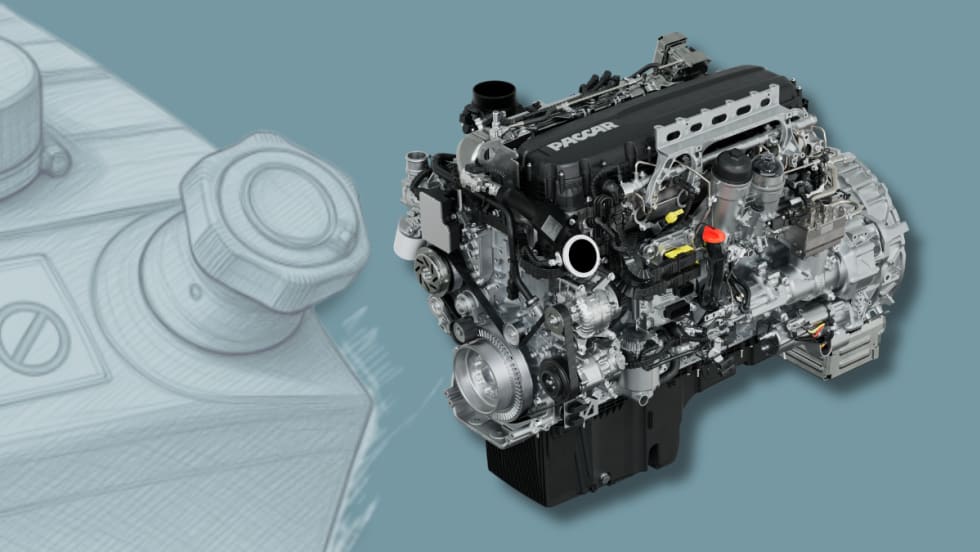
Cummins, Paccar Ease DEF Derates After EPA Guidance
Updated diesel engine software gives truck operators more time to address emissions-system issues while staying compliant with EPA emissions standards.
Read More →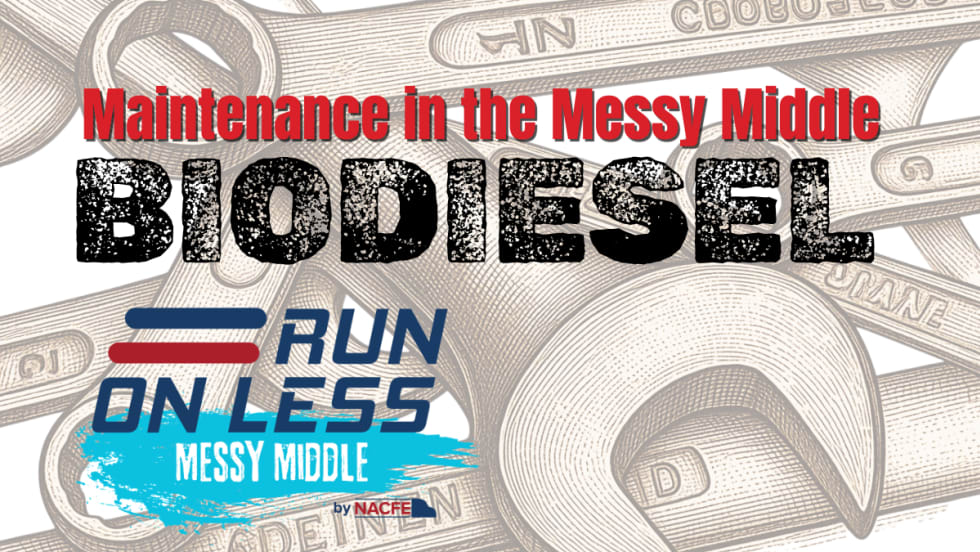
Maintenance in the Messy Middle Part 3: Biodiesel
Biodiesel can reduce emissions, improve fuel-system lubricity and use existing diesel infrastructure. But NACFE’s Messy Middle maintenance report says fleets must actively manage storage, cold-weather operation, filters and oil drain intervals to avoid problems.
Read More →