




GE Capital: 27% of Fleets Expect to Expand Within a Year
About two-thirds of executives at middle market companies ($10 million - $1 billion in sales) with responsibility for their company’s vehicle fleets, surveyed by GE Capital saw improved overall performance and improved financial performance compared to the same period a year ago. Many are making plans to expand their fleets, hire more workers and grow revenue in the year ahead.
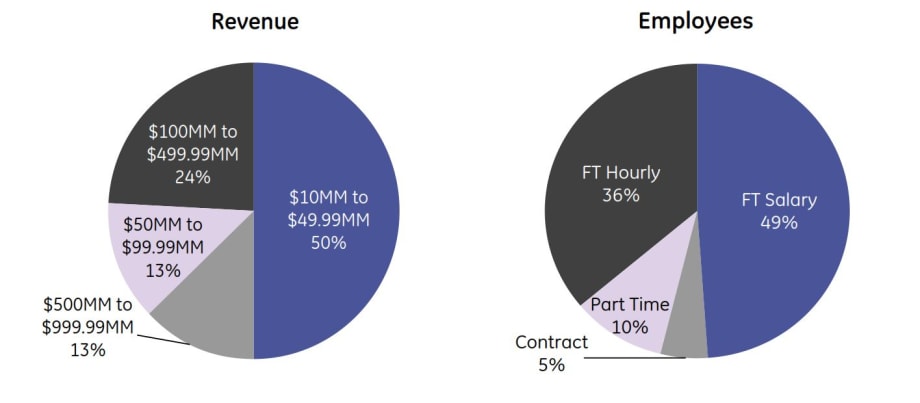
Average revenue of firms surveyed that operate vehicle fleets was $191.7 million. Those companies employed an average of 1,439 people.
GE Capital's recent national survey of more than 400 fleet executives finds optimism in the upper echelons. Most of the companies surveyed are predicting improved revenues for the coming 12-month period, and a majority of the firms expressed confidence in their local economies as well as the U.S. economy as a whole. Nearly half of the respondents says they add workers to the payroll in the same time frame.
About two-thirds of executives at these middle market companies ($10 million - $1 billion in sales) with responsibility for their company’s vehicle fleets, say their firms saw improved overall performance (65%) and improved financial performance (69%) compared to the same period a year ago.
The fleets surveyed come from a variety of industries, including food & beverage, automotive, construction/contractors, healthcare services & healthcare products, retail, telecom & media and trucking. Average revenue of firms surveyed that operate vehicle fleets was $191,790,000. The surveyed fleets employ an average 1,439 workers.
The Fleet Market Economic Outlook Survey also found that 27% of companies expect to increase the size of their fleets in the next 12 months, while 50% of said they see some expansion ahead in the industry served by their companies.
Just over half of companies with fleets (51%) expect fleet costs to increase this year; very few expect costs to decrease. The largest increases in fleet-related costs in the past year were in the areas of fuel and maintenance (especially the upkeep of older vehicles and unscheduled repairs), the survey found. On top of that, the fleet executives surveyed said their capital expenditures are expected to grow in 2014 by an average of 39%.
As companies look for ways to maintain margins, many are considering AFVs to reduce the impact of rising fuel costs, but alternative fuel vehicles have yet to make a big impression on these privately held businesses. The survey revealed that only 4% of companies currently operate alternative fuel vehicles. Nearly half (48%) said they plan to add AFVs in the coming years. Of those companies, 64% plan on adding AFVs in the next two years, and 92% will add them within the next five years.
The most popular mode of obtaining new vehicles was leasing — cited by 30% of respondents, a bit more than using cash on hand (28%).
Business Outlook
Overall, the survey showed fleet executives have more confidence in the economy than in past surveys, with 83% saying they were somewhat or very confident in their local economies; 65% expressed a similar sentiment regarding the U.S. economy. A healthy 42% of respondents expect to increase margins at their firms in the coming year.
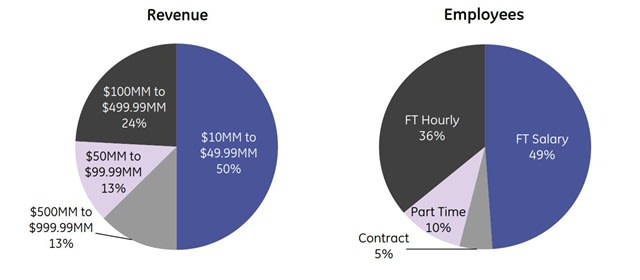
Average revenue of firms surveyed that operate vehicle fleets was $191.7 million. Those companies employed an average of 1,439 people.
Nearly half (48%) of companies surveyed say their firms will add workers with the year, with employment at these companies is expected to grow at an average rate of 3% year-over-year.
Looking at the year ahead, survey respondents were asked to name their top concerns. In order, they are; the cost of healthcare, the ability to maintain margins and the ability to continue to grow revenue.
For more information on fleet managers, visit gefleet.com.
More information on these and additional industries is available at gecapital.com/cxosurvey.
More Fleet Management

Why Private Fleets Are Taking More Freight
Private fleets are putting their own trucks on demanding customers and high-cost lanes as companies seek greater control over service, costs, and capacity.
Read More →
Color Match Smarter: Tools That Restore & Perform
For fleet managers and collision repair professionals keeping heavy-duty trucks on the road, getting the color right the first time isn't just about appearance — it's about efficiency, turnaround time, and bottom-line results. Discover how today's digital color tools are transforming the repair process from guesswork to precision.
Read More →
FMCSA Pauses Biennial-Update Enforcement Amid Motus Transition
Carriers whose updates were due on or after June 1 have more time, while FMCSA works to stabilize its new registration system and warns of phishing sites impersonating its new carrier registration system, Motus.
Read More →


2026 Blueprint for Countering Smarter Supply Chain Theft
Cargo theft is no longer just the cost of doing business. It's a multi-billion-dollar criminal enterprise exploiting vulnerabilities across your fleet, drivers, and supply chain.
Read More →
How Telematics Improves Visibility, Control, and Performance in Refrigerated Fleets
Explore how telematics help refrigerated fleets improve visibility, uptime, efficiency, compliance, and cargo protection across connected cold chain operations.
Read More →
What the U.S.-Canada Trade War Means for Trucking
Escalating U.S.-Canada tariffs could disrupt cross-border freight, reduce truck volumes, raise costs, and create new uncertainty for carriers on both sides of the border.
Read More →
What Are Trucking’s Top Concerns for 2026?
The American Transportation Research Institute wants to know what's worrying trucking fleet managers, drivers, and other stakeholders in its annual Industry Issues survey.
Read More →
American Trucking Associations Looks for a New Leader
ATA President and CEO Chris Spear abruptly left his job at the association on August 21, at a pivotal time for the trucking industry.
Read More →
Public Wi-Fi Cybersecurity Risks: How Truck Drivers and Fleets Can Protect Their Data
Public Wi-Fi can expose truck drivers and fleets to credential theft, malware, and other cyber threats. Here’s how to reduce the risk on the road.
Read More →
For Nicky Cupp, Fleet Innovation Starts With Frustration
HDT Truck Fleet Innovator Nicky Cupp turns everyday pain points at Fraley & Schilling into opportunities for better technology and smarter processes.
Read More →