




A new U.S. General Accounting Office report on the current state of the Interstate Highway System found that the overall physical condition of the system has improved over the last decade, but that growing capacity needs are not being met.
The report was requested by U.S. Rep. Don Young (R-Alaska), the Chairman of the Transportation and Infrastructure Committee
As of 2000, the Interstate Highway System extended over 46,000 miles in length and comprised 209,655 lane miles. From 1954 to 2001, the federal government invested over $370 billion on Interstates through apportionments to the states. Most state officials today see the Interstate as increasingly supporting economic growth and moving freight, as well as getting passengers to airports and supporting urban travel.
While the report notes significant improvements to the structural quality of Interstate highways and bridges, it also indicates that the relatively small capacity increases in the highway system have not nearly matched the demands placed on the system by the much larger increases in traffic. As a result, congestion and other costs related to capacity shortages continue to grow.
"Despite the strides we have made in improving highway structures and surfaces, the report makes it clear that we need to be doing more to handle the performance of the Interstate System," said U.S. Rep. Tom Petri (R-WI), the Chairman of the Highways and Transit Subcommittee. "I am particularly concerned with the effect of congestion on timely delivery of freight, which is expected to nearly double between now and 2020,” Petri said. “Clearly, Congress must find ways to relieve the congestion problem on the Interstates as expeditiously as possible."
According to those surveyed by GAO, the most important role that the Interstates perform, other than supporting safe travel, is moving freight traffic across the states. Truck travel on the Interstates accounted for over 41 percent of total truck miles traveled in 2000. Trucks carry over 69 percent of the tons shipped in the states and 72 percent of the value of goods shipped in the country. From 1990 to 2000, Interstate lane miles increased 6 percent while freight by intercity truck ton-miles increased 40 percent. In addition, a 2001 study estimates an annual 6.9 percent increase in Latin American truck traffic in the United States (resulting in almost a doubling in 10 years), most of it on the Interstates.
GAO Report: Interstate Highway Capacity Needed
A new U.S. General Accounting Office report on the current state of the Interstate Highway System found that the overall physical condition of the system has improved over the last decade, but that growing capacity needs are not being met
More Drivers
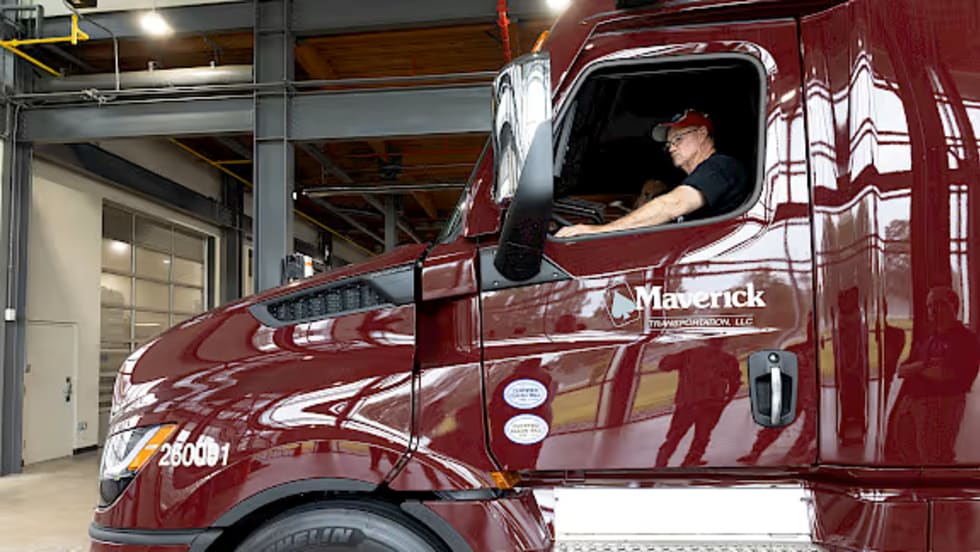
Maverick Announces 2026 Driver Pay Raises
New raises for Maverick Transportation drivers will take effect on May 31, 2026.
Read More →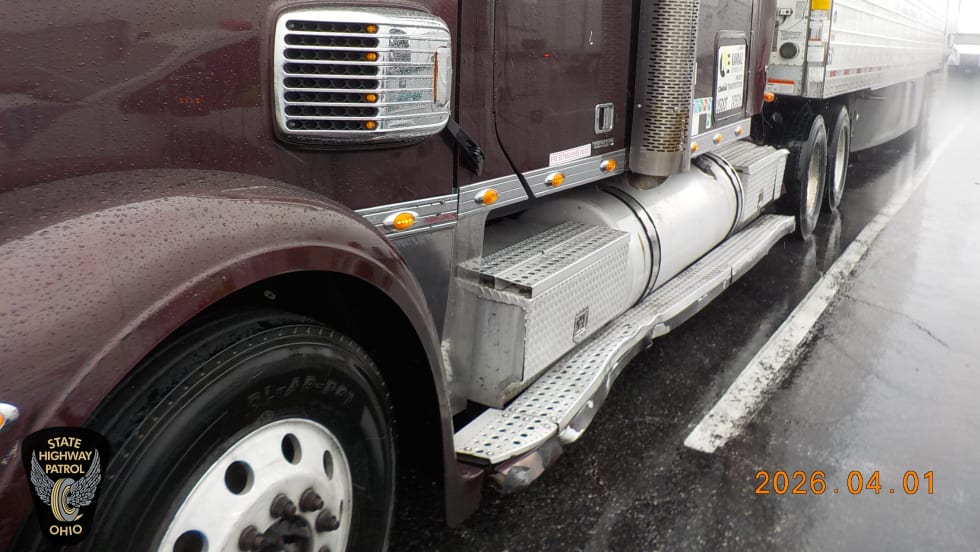
Illinois Trucker Indicted for Nearly $22,000 in Ohio Turnpike Toll Evasion
Authorities say an Illinois trucker avoided paying tolls for two years, and now faces felony charges, possible prison time, and forfeiture of his Freightliner tractor.
Read More →
New Trojan Driver Cargo Theft Scam Bypasses Carrier Vetting Systems
Cargo theft rings plant operatives as drivers inside legitimate, fully vetted carriers, then execute coordinated thefts that look like a traditional straight theft from the outside.
Read More →
WIM, Trucker Path Name Top 3 Women-Friendly Truck Stops
ATA’s Women In Motion Council and Trucker Path highlight three truck stops that meet all seven safety-focused criteria and rank highest among female drivers.
Read More →
FMCSA Extends Paper Medical Card Exemption … Again
Five states still aren't ready to accept commercial driver medical exam information directly from the medical examiner's registry.
Read More →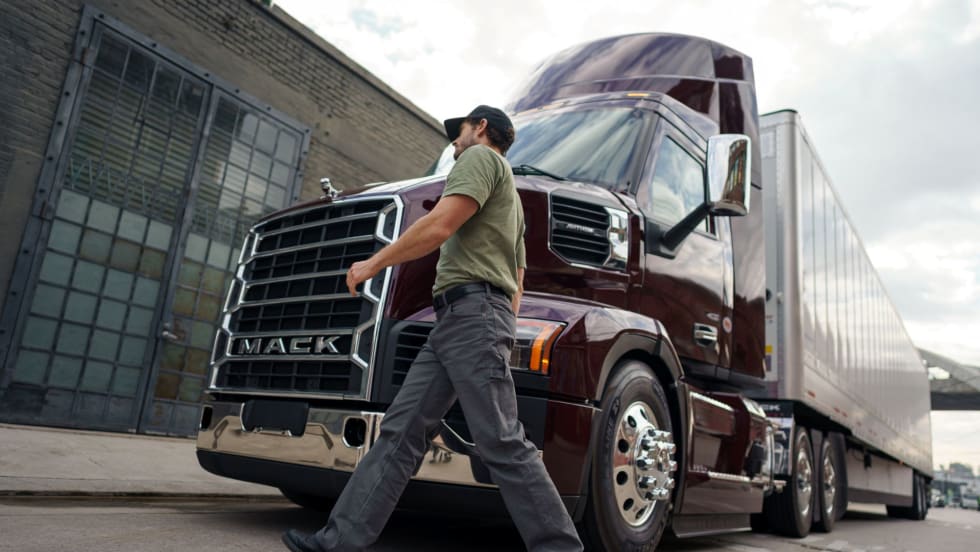
Mack Launches Digital Driver Guide for Chassis-Specific Truck Info
Mack’s new, virtual owner’s manual delivers VIN-based, on-demand guidance for vehicle systems via web, app, and soon in-cab displays.
Read More →
Western Star Showcases Truckers' Pride and Skill
Western Star is expanding its Star Nation Experience in 2026, adding new competitions and dealer participation to highlight operator skills and promote careers in trucking.
Read More →
Best Fleets to Drive For: Two Carriers Earn Overall Award for First Time
CarriersEdge announced the 2026 Best Fleets to Drive For overall winners, with Crawford Trucking, Fortigo Freight Services, and FTC Transportation receiving top awards.
Read More →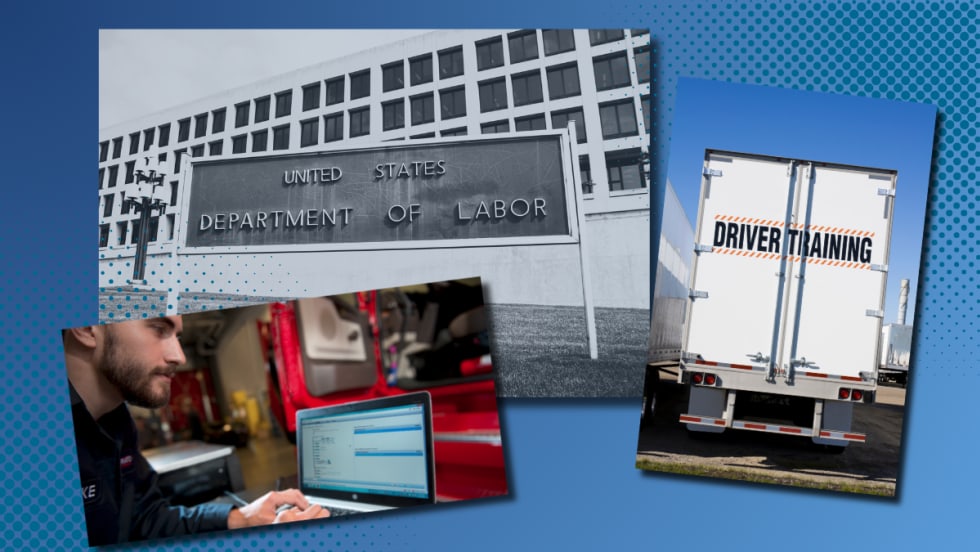
Federal Proposal Would Allow Pell Grants for Shorter-Term Job Training
The Department of Labor plans to expand Pell Grant eligibility to some shorter workforce training programs, a move the American Trucking Associations said will help strengthen commercial driver training schools and diesel technician training programs.
Read More →
Owner-Operator Model Gets Boost as DOL Proposes 2024 Independent Contractor Definition Reversal
For an industry that has watched this issue go back and forth for years, the independent contractor proposal marks the latest swing in the regulatory pendulum.
Read More →