




Fuel Study IDs Top 5 Tips for Increase Fuel Efficiency
PHH FirstFleet has announced the results of an 18-month, telematics-based fuel study of U.S. truck fleets in the grocery, manufacturing, fuel, and retail markets. The multi-phased study goes beyond speeding and idling

PHH FirstFleet has announced the results of an 18-month, telematics-based fuel study of U.S. truck fleets in the grocery, manufacturing, fuel, and retail markets. The multi-phased study goes beyond speeding and idling,
identifying several other major fuel-saving tactics as fuel prices continue rising. The study also offers a Top 5 Tip List for fleet managers heading into the second half of 2007.
The fuel study resulted in the hypothesis: By slightly over-spec'ing engines in order to run more consistently in the "sweet spot," choosing a gear ratio low enough to suit a fleet's application and location, and enabling the correct fuel-efficient, engine-specific parameters, fuel economy will improve by 0.3 mpg (or around 5 percent).
The study's findings showed that the hypothesis is correct. When combined with other variables, including progressive shifting, APUs and chassis improvements, this "sweet spot" is where both fuel efficiency and performance are maximized. Additionally, the study concluded that slightly over-spec'ing engines improves fuel economy, which equates to a savings of approximately $2,000 per tractor per year (assuming 100,000 miles are driven per year).
"New emissions standards, the launch of ultra low sulphur diesel (ULSD) and new truck requirements create several challenges for the industry," said Michael C. Lewis, president and general manager. "We anticipate truck sales declining, prices increasing, and an overall decrease in fuel economy for private fleets, all of which dictate creative cost-cutting strategies. This study points to fuel-saving initiatives other than driver habits, such as speeding and idling, to help reduce operating costs."
In conjunction with the results of PHH FirstFleet's Fuel Study, the company is announcing a Top 5 Tip List for achieving better fuel economy:
1. Increase engine torque ratings - Increasing torque ratings provides a simple and effective method to decrease time spent in the high output torque ranges. Driving at high output torque ratings also leads to over-revving, or rpms higher than the engine parameters specify. Over-revving shortens the life of the engine, which sustains higher costs and lower fuel economy. On the same note, driving in a lower RPM range than the engine's specified parameters may result in driver dissatisfaction and could require increased downshifting, which indirectly causes over-revving.
1. Decrease gear ratio - Choosing a lower gear ratio improves fuel economy, reduces engine wear, increases speed at lower rpms and may help reduce over-revving. In general, choose the correct rear axle gear ratio for the fleet's application and needs, but consider that while higher gear ratios may improve overall performance and provide added power in lower gears, additional power causes equipment to lose fuel economy. If improving fuel economy remains a priority, consider whether the extra performance validates the loss in fuel economy.
1. Engine Specific Parameter Controls
1. Speeding - Above 70 mph, a tractor's engine works to overcome aerodynamic drag. In fact, it demands more than 60 percent of the engine's total available horsepower, which significantly increases fuel consumption. If speed is decreased to 55 mph in the appropriate gear, the horsepower demand is reduced to only 40 percent, and draws less fuel.
2. Idling - Idling achieves 0.0 mpg and uses .5 to 1 gallon of fuel per hour. Consider idle shutdown in order to save fuel while at stops.
3. Progressive Shifting - Drivers shifting quickly in lower gears prevents over-revving, which decreases fuel consumption and increases fuel economy.
1. Spec APUs - Auxiliary Power Units (APUs) allow drivers to run peripheral applications like air conditioning without running the engine. This decreases idling, reducing fuel consumption and improving fuel economy. Because APUs carry extra weight, the payload must decrease to meet weight limits.
1. Chassis Improvements
1. Aerodynamics - New innovations in trailer aerodynamics, as well as roof fairings, side fairings, and bumper and side skirts, provide decreased wind resistance, which reduces required horsepower and thus fuel consumption.
2. Lower Weight - New materials allow for less weight and more potential fuel economy gains, although with decreased chassis and trailer weight, overall payloads may increase and offset the fuel economy improvements.
3. Low Profile Radial or Single-wide Tires - Research indicates that fuel economy can improve as much as 2 percent to 5 percent by using low profile and/or wide based tires and wheels. Decreased weight and lower rolling resistance are the key contributors to fuel economy improvements.
PHH FirstFleet is a dedicated truck group that combines the truck expertise and capabilities of PHH Arval, a fleet management company, and First Fleet Corp., a national provider of asset management, financial services, and high technology operational support to the trucking and transportation industry throughout North America.
For more information, call (877) 334-8782, or visit www.phhfirstfleet.com.
More Aftermarket

What Three Fleets Are Doing Differently When Buying Truck Parts in 2026
With freight improving but costs still climbing, fleet maintenance executives explain how they're balancing price, quality, and supplier relationships.
Read More →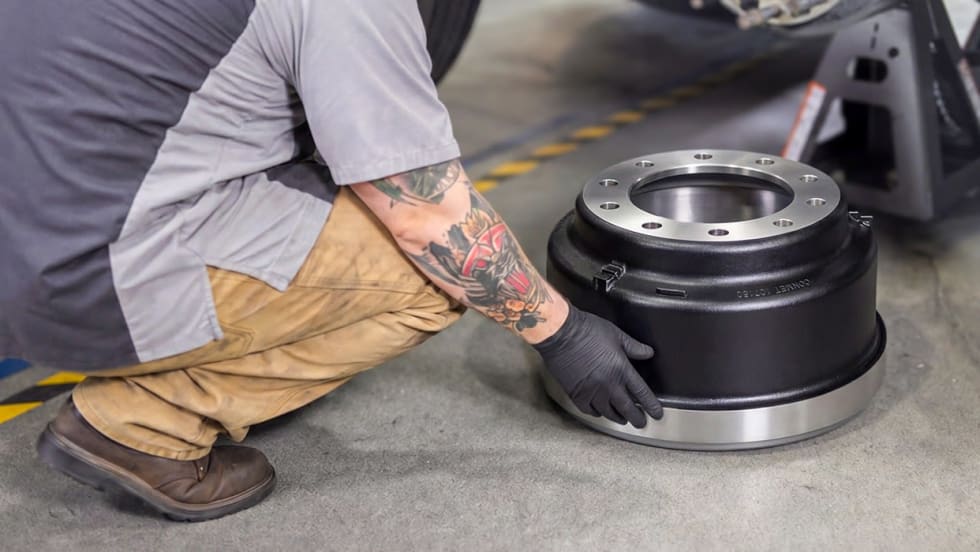
ConMet Expands Aftermarket Brake Drum Lineup With TruCast
A new heavy-duty truck brake drum option in the aftermarket gives customers more flexibility within the ConMet product family.
Read More →
Phillips Opens High-Tech Distribution Center for Faster Parts Delivery
Phillips Industries’ new Cincinnati-area distribution center is now shipping aftermarket trucking parts nationwide, aiming to speed up delivery times for customers.
Read More →
Volvo to Sponsor America’s Road Team for 2025
Volvo Trucks announced that it is extending its exclusive sponsorship of America’s Road Team for 2025.
Read More →
Webb to Start Taking Orders for UltraSet Pre-Adjusted Wheel Hubs
Webb, which recently acquired the Stemco Trifecta pre-adjusted hub program, will soon start taking orders for its replacement pre-assembled hub, the UltraSet.
Read More →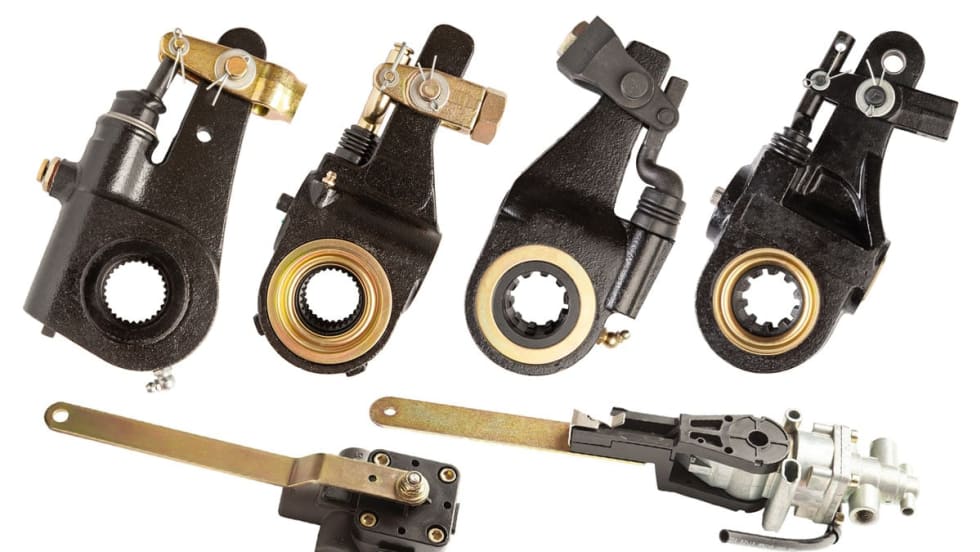
All-Makes Automatic Brake Adjusters, Ride Height Control Valves from Midland
SAF-Holland has added automatic brake adjusters and ride height control valves to its Midland All-Makes Program.
Read More →
ZF Aftermarket Expands [pro]Academy Training
ZF Aftermarket said it is expanding its ZF [pro]Academy training and will be adding 40 new modules this year.
Read More →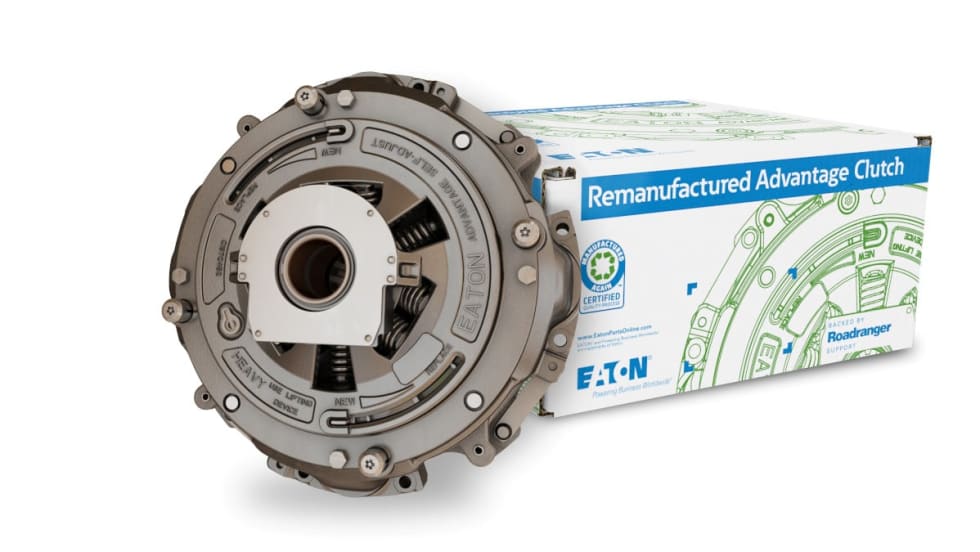
Eaton Adds Remanufactured Advantage Line of Clutches
Eaton has added its Advantage clutches to its remanufactured product line. The clutches feature a unique strap drive intermediate plate designed to allow customers to choose the latest OE specification
Read More →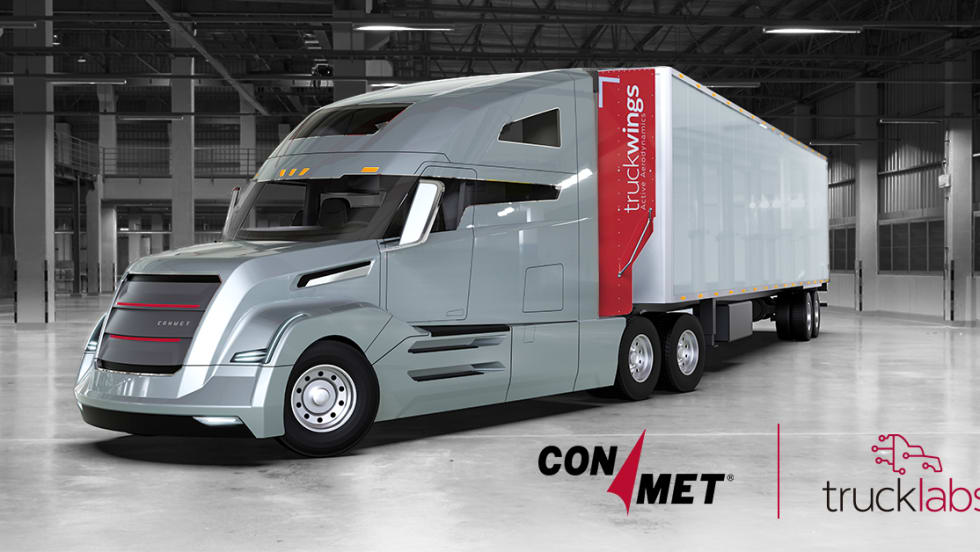
ConMet Acquires TruckLabs, the Creator of TruckWings
Commercial truck and trailer parts provider ConMet acquired TruckLabs, the company that created TruckWings, an aerodynamic device that attaches to truck cabs and deploys to close the gap between truck and trailer. TruckLabs now operates as a subsidiary of ConMet.
Read More →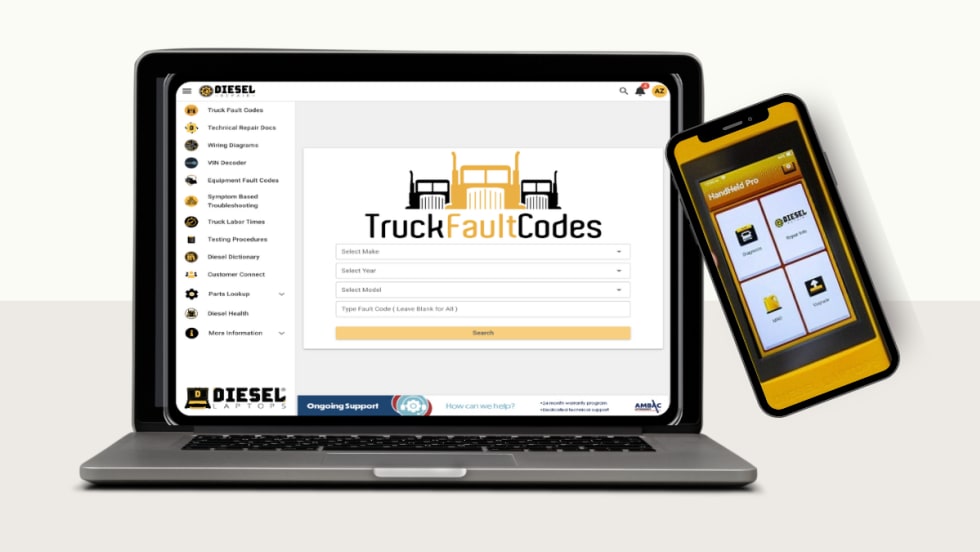
Diesel Laptops Releases Fault-Code-to-Part-Number Tool
Diesel Laptops said its Truck Fault Codes allows users to input a fault code and immediately identify and order the parts needed to complete repair work.
Read More →