




Frozen Food Express Lowers Top Speed
Dallas-based Frozen Food Express Industries has reduced the maximum speed of its company-operated truck fleet from 65 to 62 mph in an effort to mitigate the impact of rising fuel costs
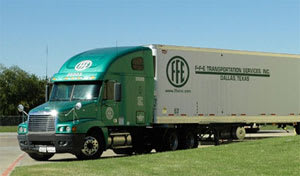
Dallas-based Frozen Food Express Industries has reduced the maximum speed of its company-operated truck fleet from 65 to 62 mph in an effort to mitigate the impact of rising fuel costs.
FFEX expects that most of the independent contractors who provide it with trucks will take similar steps to reduce their expenses.
"This is a decision we've been contemplating for quite some time, and we simply have to take some definitive action, as many other carriers have already done, to offset costs that are rising faster than our ability to deal with them," said Russell Stubbs, senior vice president and chief operating officer. "Independent studies have found that for each mile per hour that a truck reduces its average speed, we can expect a 1/10th of a mile increase in that truck's average miles per gallon. This 3-mph decrease in maximum speed can save up to 1,000 gallons of fuel, per truck, per year."
Stubbs also notes that the company is an active members of the Environmental Protection Agency's SmartWay Transport Partnership, and this initiative also helps reduce emissions along with fuel consumption. SmartWay is a partnership between the Environmental Protection Agency and businesses in the transportation industry, with the goal of reducing greenhouse gas emissions and fuel consumption.
This will be an enterprise-wide effort across the FFE Transportation Group (FFE Transportation Services, American Eagle Lines, and Lisa Motor Lines brands), and customer service will not be impacted by this speed reduction. This action is one of several to address rising fuel prices, including enterprise-wide fuel consumption efforts, equipping tractors with anti-idling control devices and modifying equipment specifications to ensure the most aerodynamic fleet possible.
More Drivers

FDA Eases Path for Oral-Fluid Testing
Federal actions could advance oral-fluid drug testing for truck drivers, but lab certification delays and marijuana rescheduling questions remain.
Read More →
Why Hiring Truck Drivers Is Getting Harder
Higher recruiting costs, a shrinking driver pool, and renewed pay competition are raising the stakes for fleets heading into 2027.
Read More →
Roehl Offers Truck Drivers $10,000 Retention Incentive
Payments begin after the first load and continue in mileage-based installments for eligible experienced drivers joining the fleet.
Read More →
Platform Science Adds Dispatch and Safety Tools
Four additions to PS Fleet help fleets monitor loads, manage driver coaching, share truck locations and adjust video system settings.
Read More →
When Language Stops the Truck: The Return of ELP Out-of-Service Orders
English language proficiency rules for commercial drivers aren’t new, but renewed out-of-service enforcement has raised the stakes. Here’s what carriers need to know before a driver reaches a roadside inspection.
Read More →
Samsara Launches Custom AI Agent Builder
Agent Studio lets fleets create AI tools for hours-of-service monitoring, reporting and driver support, including agents that communicate by phone.
Read More →
Trucker Path Expands Reserved Parking Network
Trucker Path has added close to 6,000 more truck parking spaces to its Trucker Path Reserved Parking Network with the addition of Safe Truck Parking.
Read More →
EEOC Sues Texas Trucking Company Over Driver Age Limits
The agency says Trancasa USA rejected applicants over 65 and applied tougher driving-record standards to those over 60.
Read More →
Nussbaum, Roehl Announce Second Driver Pay Increase This Year
This year has seen a swath of major truck driver pay increases as freight capacity has tightened.
Read More →
From One Generation to the Next: How Mentorship Builds Safer Truck Drivers
After three decades in trucking, Harold Perry shares what he's learned about driver safety, mentorship, and helping the next generation build confidence behind the wheel.
Read More →