




Freight Shipments, Spending Rebound Somewhat
The number of North American freight shipments and the amount of expenditures both posted strong increases in February from the month before, according to newly released Cass Freight Index figures.
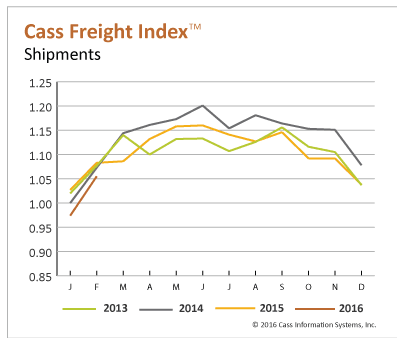

The number of North American freight shipments and the amount of expenditures both posted strong increases in February from the month before, according to newly released Cass Freight Index figures.
The 8.3% jump in the shipments index to 1.055 from a revised January reading of 0.974 erases the previous month’s decline. Despite this, February is 2.6% lower than the same month a year earlier, but the year-over-year results are better than January's 5.2%.
The recent four-month slide in freight traffic put the starting point for 2016 significantly lower than in the last several years, according to Rosalyn Wilson, supply chain industry analyst and founder and president of the consulting practice FreightMatters, who provides analysis for the report.
“Economic growth slowed more than expected in the fourth quarter of 2015 and continued into January," she said. "The robust turnaround this month signals improvement, but current economic conditions do not support a robust rebound.
“Global markets are still weak, especially with China’s economic turmoil, which is reducing demand; the U.S. dollar remains strong, making our export goods more expensive on world markets; consumers are in a stronger position with positive income growth, but still remain conservative in their spending; and more growth has been seen in the purchase of services rather than goods purchases. Inventories remain very high in the goods sectors, which has reduced imports and domestic manufacturing.”
Freight payments rose 6.3% in February to an index reading of 2.31 following a revised decline of 7.3% in January. The strong upward swing in February is the expected trend, but the 2016 increase is much stronger than the January-to-February change of 4.3% in 2015, and more in line with the 6.8% month-over-month change in 2014, according to the report.
Wilson said the strong growth in the number of shipments accounts for most, if not all, of the rise in the expenditures index. “Actual increases in the cost to ship are difficult to find, as capacity is relatively easy to acquire, fuel prices have been steadily dropping, and the market seems unwilling to bear rate increases at the moment. Spot market prices have been steady as well.”
Overall she said there are abundant opportunities for the economy to stumble in 2016, but underlying economic indicators are pointing to a sluggish first half.
“The goods sector is fast approaching the need to rationalize bloated inventories as it did midway through the recession. Interest rates and warehousing costs are on the rise, increasing the cost of carrying that inventory,” Wilson said. “Carrying costs have been so low since the recession that they were not a major concern, but with the Federal Reserve again considering another interest rate increase those costs cannot be ignored.”
She also noted imports are holding their own as the strong U.S. dollar makes others’ goods cheaper to us, but exports are not flourishing because of the low demand for goods in general and the availability of lower-priced goods from foreign markets. The housing market and residential construction ticked up in both January and February which results in new freight. However, that market will be very sensitive to climbing interest rates.
“Following the trend, we should expect continued growth in March, although somewhat subdued compared to February,” Wilson said.
More Fleet Management

Public Wi-Fi Cybersecurity Risks: How Truck Drivers and Fleets Can Protect Their Data
Public Wi-Fi can expose truck drivers and fleets to credential theft, malware, and other cyber threats. Here’s how to reduce the risk on the road.
Read More →
For Nicky Cupp, Fleet Innovation Starts With Frustration
HDT Truck Fleet Innovator Nicky Cupp turns everyday pain points at Fraley & Schilling into opportunities for better technology and smarter processes.
Read More →
Adam Buttgenbach’s Approach to Electric Trucks: Start With Where They Fit
HDT Truck Fleet Innovator Adam Buttgenbach helped PepsiCo build one of North America’s largest EV fleets by focusing on where electric trucks make operational sense.
Read More →
Deen Albert: Let Automation Do the Math, People Make the Decisions
HDT Truck Fleet Innovator Deen Albert makes sure people are still at the heart of operations at Grand Island Express, even while adopting artificial intelligence tools. AI-assisted dispatch helped boost revenue 25% with the same number of trucks.
Read More →
Trimble’s New AI Agent Takes Aim at Fleet Back-Office Busywork
Arc Agent works across Trimble TMS products to automate repetitive tasks such as freight orders, maintenance, invoices, fuel costs and more.
Read More →
How HDT’s 2026 Truck Fleet Innovators Are Rethinking Fleet Operations
Meet five trucking leaders who are challenging assumptions, solving operational problems, and putting innovative ideas to work.
Read More →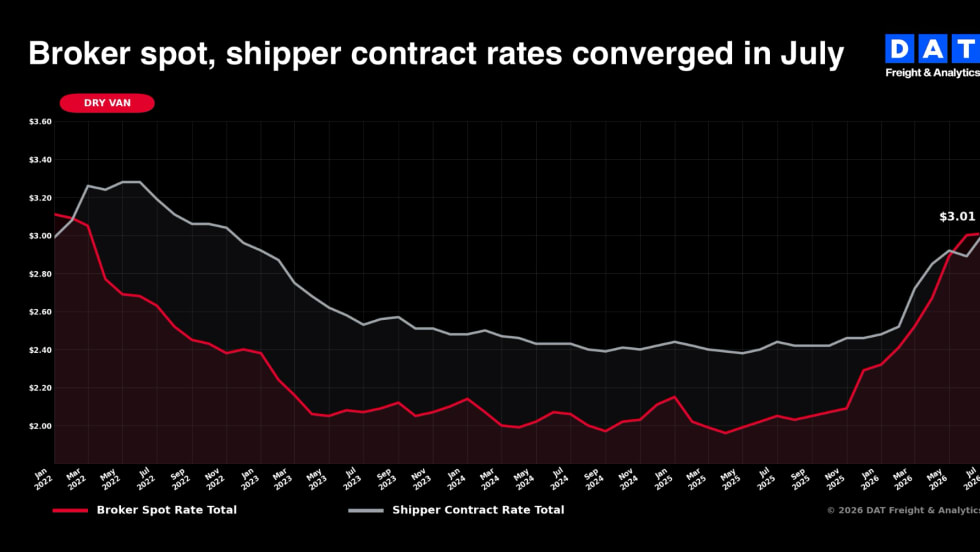
Tight Trucking Capacity Pushes Rates Higher Even as Freight Volumes Fall
“Spot rates moving ahead of contract rates have historically signaled a tightening market, but we haven’t seen a capacity-driven market quite like this one,” said DAT's Dean Croke.
Read More →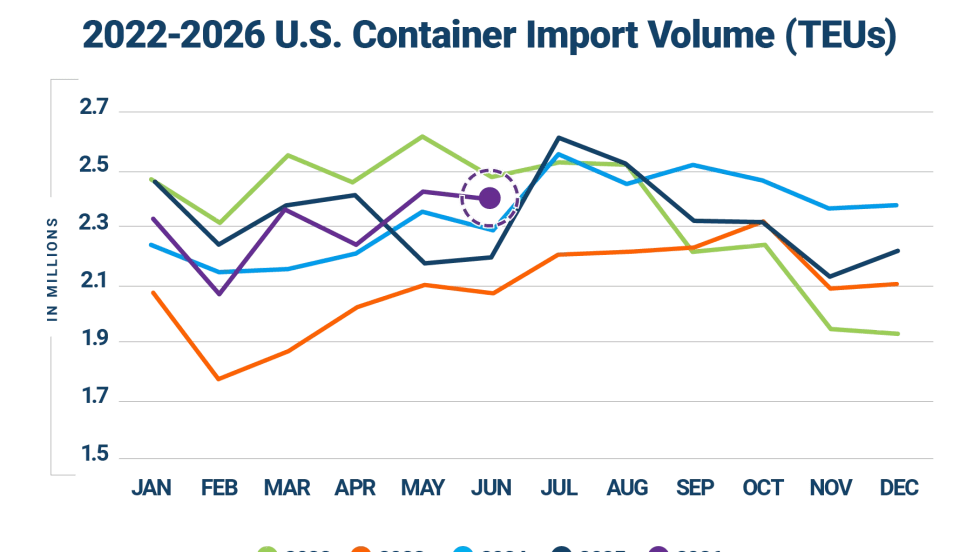
Import Cargo’s Early Peak Season is Winding Down
There was an early start to peak season this year at the nation's gateway ports, as retailers brought in merchandise ahead of tariff changes in late July and responded to other supply chain uncertainties,
Read More →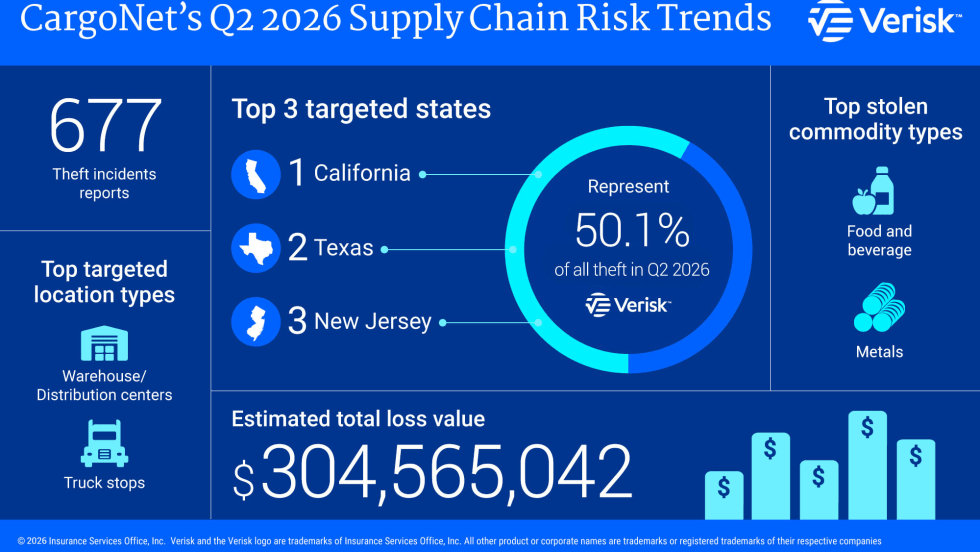
Fewer Cargo Thefts, Bigger Losses: Criminals Target Higher-Value Loads
CargoNet says organized theft rings are stealing fewer shipments but choosing more valuable freight, including metals and technology, resulting in record losses.
Read More →
How Innovative Trucking Leaders Turn Change Into an Advantage
As the pace of change accelerates in trucking, the fleets that adapt best have more than the latest technology. They have cultures that embrace improvement.
Read More →