




Fourth Quarter Boasts Strong Performance in Every Intermodal Segment
Building on the industry’s positive 2012 performance, total intermodal shipments improved 4.6% in 2013, according to the Intermodal Association of North America’s fourth quarter and year-end Intermodal Market Trends & Statistics.
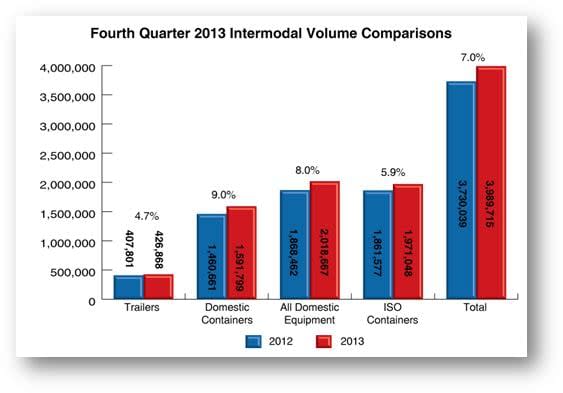
Building on the industry’s positive 2012 performance, total intermodal shipments improved 4.6% in 2013, according to the Intermodal Association of North America’s fourth quarter and year-end Intermodal Market Trends & Statistics.
Domestic container volume — which doubled over the past ten years — outperformed other markets in 2013, capping the year with a 9.4% bump, which was consistent with Q4 growth of this segment at 9%.

These benchmarks echo "Ten Years After: The Second Intermodal Revolution," a recently-released white paper sponsored by the Association of American Railroads and IANA, which states in certain terms that intermodal has become an accepted shipper choice for both international and domestic goods movement and is currently the largest rail commodity by revenue. Moving from marginal to profitable, author Anthony “Tony” Hatch credits intermodal with allowing rails to move back up the value chain, driving the “Railroad Renaissance,” and predicts intermodal’s success is still in the “early innings stage.”
“This has been a banner year and quarter for intermodal, underscoring the strong alternative it provides to over-the-road transport,” said Joni Casey, president and CEO of IANA. “All markets performed exceptionally well during the fourth quarter, with both international and intermodal trailers recording their best improvement in years.”

International intermodal continued its comeback from previous quarters and recorded growth of 2.3% in 2013, as compared to 1.8% in 2012. Fourth quarter 2013 for the same sector jumped a solid 5.9% over fourth quarter 2012. Due to depressed fourth quarter 2012 loadings, a bump in international containers was expected, but this quarter’s uptick was enough to suggest a trend rather than easy year-over-year comparisons.
Of the seven largest volume corridors within the United States, the Midwest-Southwest was the clear winner; the lane expanded a notable 12.9% when compared with last year’s fourth quarter. The intra-Southeast also beat industry expectations, due to a marked domestic container boost. Overall, key corridor growth rose 5.9% during the quarter.
When comparing fourth quarter regional traffic, the Southeast posted the highest gains, with a 10.4% year-over-year increase. This was due in large part to the region’s exposure to domestic containers. The Mountain Central, Northeast and Midwest regions also rose just under 10%. The Northwest region underperformed, largely attributable to a sharp drop in international intermodal volumes.
More Fleet Management
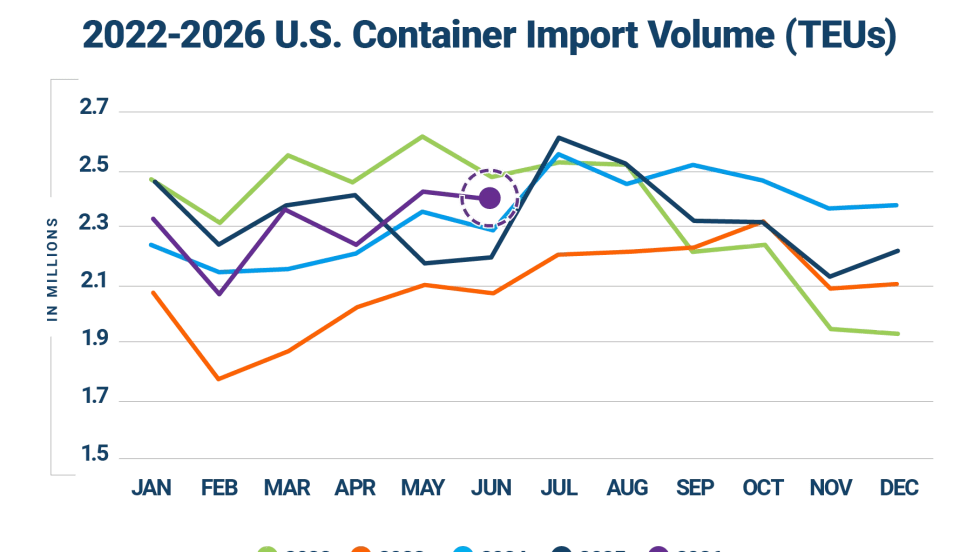
Import Cargo’s Early Peak Season is Winding Down
There was an early start to peak season this year at the nation's gateway ports, as retailers brought in merchandise ahead of tariff changes in late July and responded to other supply chain uncertainties,
Read More →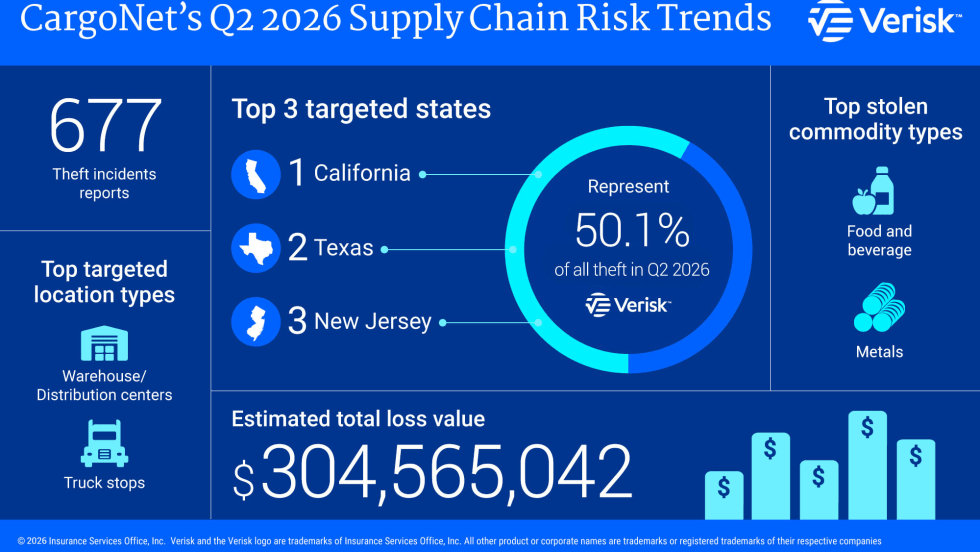
Fewer Cargo Thefts, Bigger Losses: Criminals Target Higher-Value Loads
CargoNet says organized theft rings are stealing fewer shipments but choosing more valuable freight, including metals and technology, resulting in record losses.
Read More →
How Innovative Trucking Leaders Turn Change Into an Advantage
As the pace of change accelerates in trucking, the fleets that adapt best have more than the latest technology. They have cultures that embrace improvement.
Read More →
Freight Broker Bonds Just Got Harder to Get. Here's What That Means for Your Fleet.
When it gets harder for a freight broker to prove they are financially sound, the ones who cannot clear that bar get pushed out of the market. And those are exactly the brokers who used to leave motor carriers holding the bag.
Read More →
Long-Awaited Canadian Border Bridge to Open in Detroit
For trucking, the bridge opening should offer immediate improvements in efficiency and reliability, with new customs facilities, expanded inspection capacity, and direct freeway-to-freeway connections.
Read More →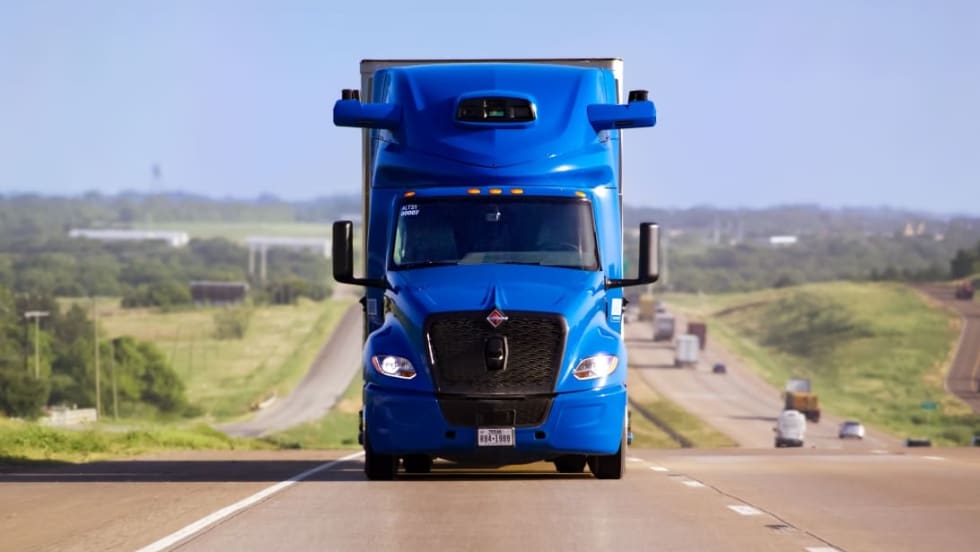
Aurora Rolls Out Next Generation of Driverless Trucks for Commercial Freight
Aurora's latest autonomous trucks it's rolling out with International feature lower-cost hardware designed for a million miles as the company expands commercial driverless freight operations across the U.S. Sun Belt.
Read More →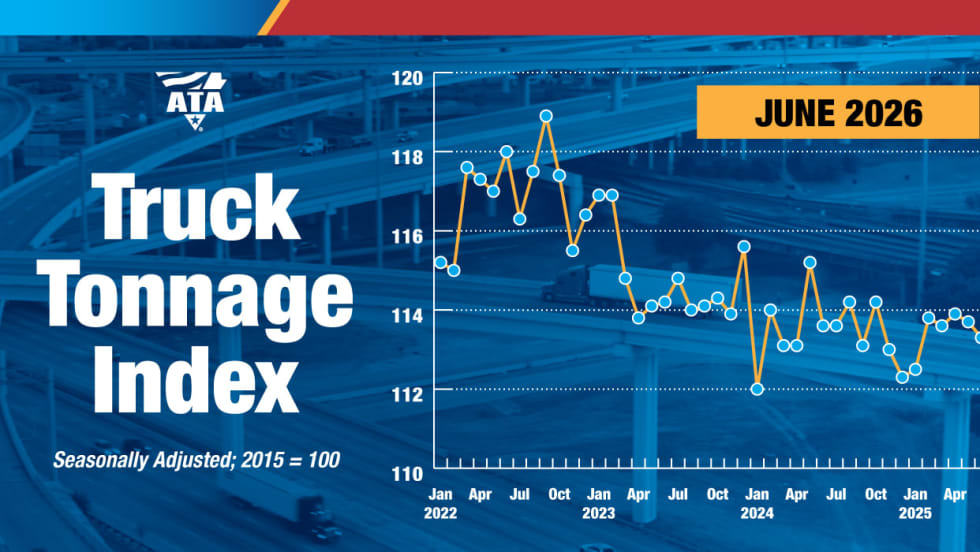
Freight Tonnage Down, Rates up, as Lower Capacity Powers Trucking Recovery
The recovery from the freight recession continues to be driven by reduction in capacity rather than by increased demand.
Read More →
Think Your Trucking Fleet Isn't Using Much AI? Think Again
Shadow AI — the use of unauthorized artificial intelligence tools at work — is becoming increasingly common, putting sensitive company data at risk. Learn how trucking fleets can protect sensitive data while embracing AI.
Read More →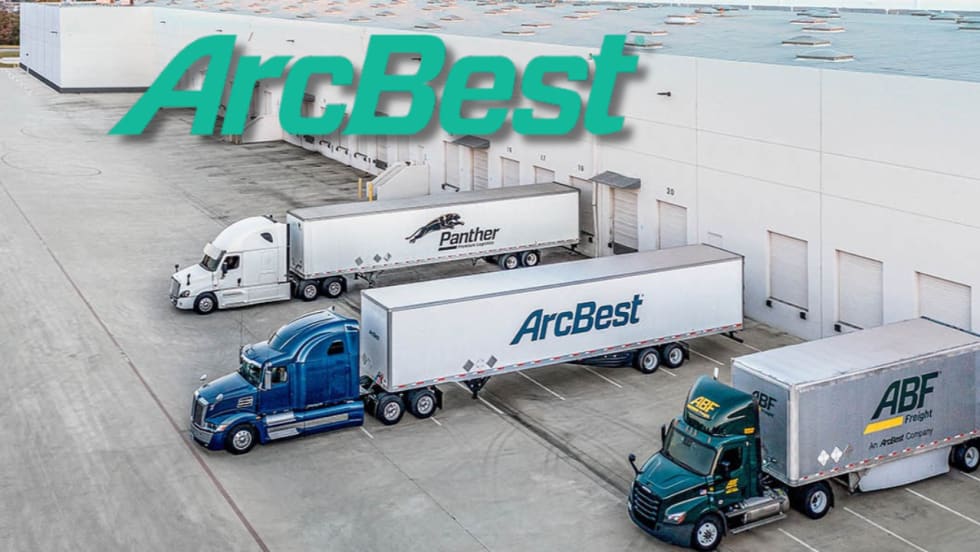
ArcBest Consolidates Brands, Cuts Workforce
The company will bring three business units under the ArcBest brand, eliminate about 2% of positions, and expects the changes to generate $40 million in annual savings.
Read More →
Trucking Fleets Faced Record Operating Costs During Third Year of Freight Recession
ATRI's annual operational cost report shows carriers trimmed fleets, delayed equipment purchases, and ran older trucks as expenses continued to outpace freight rates.
Read More →