




Four-Wheelers Less Concerned Than Before Over Dangerous Driving Behaviors
According to a new survey from AAA, Americans are less likely than they used to be to perceive a serious threat from dangerous driving behaviors such as drunk, aggressive or drowsy driving.

The number of people who believe that texting or emailing while driving is a very serious threat declined from 87% in 2009 to 81% in 2012.

The number of people who believe that texting or emailing while driving is a very serious threat declined from 87% in 2009 to 81% in 2012.
According to a new survey from AAA, Americans are less likely than they used to be to perceive a serious threat from dangerous driving behaviors such as drunk, aggressive or drowsy driving.
The AAA Foundation for Traffic Safety analyzed four years of public surveys it performed, and found the number of people who believe driving after drinking is a serious threat declined from 90% in 2009 to 69% in 2012.
Survey results during the previous four years show decreasing concern for other dangerous driving behaviors:
The number of people who consider drowsy driving a very serious threat declined from 71% in 2009 to 46% in 2012.
The number of people who believe that texting or emailing while driving is a very serious threat declined from 87% in 2009 to 81% in 2012. At the same time, the number of people who admit to texting while driving increased from 21% to 26% during the same period.
The number of people who consider red light running to be completely unacceptable declined from 77% in 2009 to 70% in 2012. In fact, 38% admitted to running a red light within the previous month.
"Motorists may be growing more complacent about potential safety risks behind the wheel," said Peter Kissinger, president and CEO of the AAA Foundation for Traffic Safety. "A 'do as I say, not as I do' attitude remains common with many motorists consistently admitting to engaging in the same dangerous behaviors for which they would condemn other drivers."
More Drivers

EEOC Sues Texas Trucking Company Over Driver Age Limits
The agency says Trancasa USA rejected applicants over 65 and applied tougher driving-record standards to those over 60.
Read More →
Nussbaum, Roehl Announce Second Driver Pay Increase This Year
This year has seen a swath of major truck driver pay increases as freight capacity has tightened.
Read More →
From One Generation to the Next: How Mentorship Builds Safer Truck Drivers
After three decades in trucking, Harold Perry shares what he's learned about driver safety, mentorship, and helping the next generation build confidence behind the wheel.
Read More →
Truck Drivers Need More Than Another Alert
Fleets have more visibility into truck health, safety events, and driver activity than ever. The next challenge is turning all that information into useful guidance for the person who has to decide what to do next.
Read More →
FMCSA Removes 110 Truck Driver Training Schools from Certified ELDT List
Federal regulators also are targeting more than 160 additional training providers and launching a nationwide audit of third-party CDL skills testers as part of a broader crackdown on trucking fraud.
Read More →
Hours of Service Pilot Programs: FMCSA Readies for 2027 Rollout
Two pilot programs could eventually reshape hours-of-service rules, giving truck drivers options to pause their 14-hour clock or use longer split sleeper rest periods.
Read More →
Medical Cards, English Proficiency Reshape Roadcheck Violations
Medical-card violations jumped to the top of the driver out-of-service list during CVSA’s 2026 International Roadcheck, while English-language proficiency violations appeared among the leading violations for the first time.
Read More →
Driver Trust Can Make or Break the Success of Fleet Safety Technology
New Teletrac Navman research suggests that onboarding, transparency about driver data, and positive feedback can play a significant role in how commercial drivers respond to safety and coaching technology.
Read More →
EEOC Sues KLLM Over Alleged Sex Discrimination in Driver Training
KLLM is facing a federal sex-discrimination lawsuit over policies the EEOC alleges put female truck driver trainees at a disadvantage.
Read More →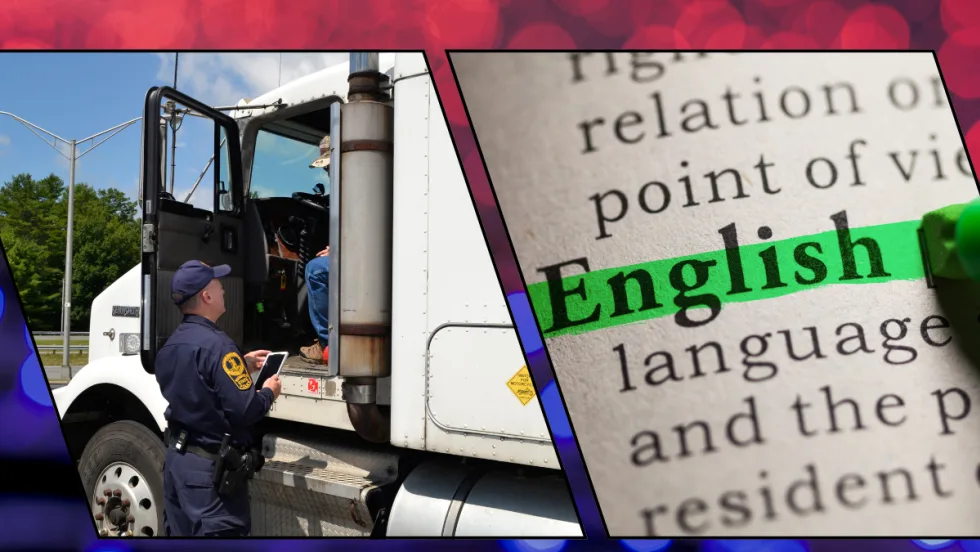
FMCSA Moves to Codify English Language Requirements for Commercial Drivers
By changing regulations on English-language proficiency requirements for commercial drivers, rather than relying on a guidance memo, the FMCSA said future administrations won't be able to walk back the Trump administration's stricter enforcement with just a memo.
Read More →