




Former FMCSA Head Supports Restart Amendment, Slams Critics for 'Political Opportunism'
Former FMCSA Administrator Annette Sandberg supports the trucking industry's push for a study on the impact of the current restart provision while rolling the restart rules back to pre-July 2013. Sandberg says the trucking industry supports suspending the restart restrictions because they believe that good public policy comes from good data and a good understancfing of the facts, not from emotional appeals.


Annette M. Sandberg, principle, TransSafe Consulting.

Annette Sandberg has come out in support of changes to the 34-hour restart provision. In a June 17 letter to leaders of the Senate Committee on Appropriations, Subcommittee on Transportation, Sandberg, who served three years as Administrator of the Federal Motor Carrier Safety Administration under President George W. Bush, said the changes to the restart provision imposed by the current administration were "done without the benefit of proper scientific research, and [are] hurting highway safety - as well as the economy.
Sandberg also slammed critics of the recent amendment proposed by Sen. Susan Collins, R-Maine, for trying to link calls for a roll-back of the 34-hour restart provision to the recent New Jersey crash involving a Walmart truck and comedian Tracy Morgan.
"Current evidence ... indicates the cause of this crash had nothing to do with the provisions being addressed in Senator Collins' amendment," she said in the letter. "To imply that these changes had anything to do with crash in New Jersey is political opportunism at its worst."
In the letter, Sandberg explained to the Senators that the current restart rules could actually compromise safety rather than enhancing it by forcing more trucks onto highways during early morning hours.
The practical effect of these restrictions, an effect the current head of the FMCSA has called "unintended," is to push more truck traffic onto the highways at 5:01am - or when when America's commuters are hitting the road to go to work or when children are heading to school, the letter says.
"These early morning hours are the riskiest time of day for trucks to be on the road," notes . "A truck driving between midnight and 3am is a third less likely to be involved in a crash as one traveling between 6am and 9am.
"Suspending these changes -- while keeping the remaining hours-of-service rules intact -- in order to fully study the impact of shifting more truck traffic to daylight hours is a common sense solution to this problem."
Sandberg, a principal at TransSafe Consulting, also seems to suggest the current administration's preoccupation with fatigue might be misplaced.
"The fact is, while an important issue to address, fatigue is not the number one issue in truck safety," she wrote. "Truck driver fatigue is listed as a cause in less than 2% of truck crashes -- but due to underreporting in the wake of these tragedies, the true figure is probably between 6% and 8%. Excess speed. Distracted driving. Aggressive driving. These are all more important highway safety issues that are not being addressed fast enough by the government."
Click here to read the full text of Sandberg's letter to Senate Transportation Subcommittee leaders.
More Fleet Management
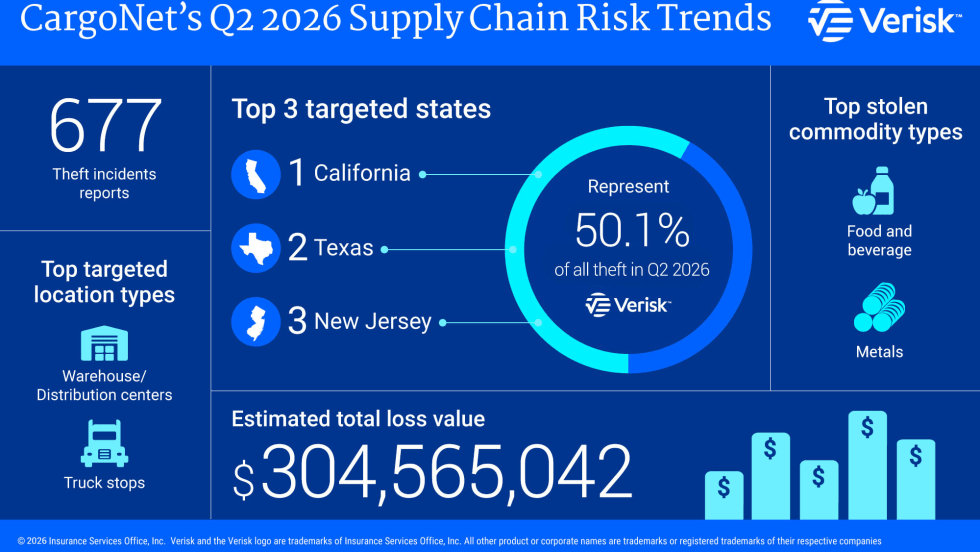
Fewer Cargo Thefts, Bigger Losses: Criminals Target Higher-Value Loads
CargoNet says organized theft rings are stealing fewer shipments but choosing more valuable freight, including metals and technology, resulting in record losses.
Read More →
How Innovative Trucking Leaders Turn Change Into an Advantage
As the pace of change accelerates in trucking, the fleets that adapt best have more than the latest technology. They have cultures that embrace improvement.
Read More →
Freight Broker Bonds Just Got Harder to Get. Here's What That Means for Your Fleet.
When it gets harder for a freight broker to prove they are financially sound, the ones who cannot clear that bar get pushed out of the market. And those are exactly the brokers who used to leave motor carriers holding the bag.
Read More →
Long-Awaited Canadian Border Bridge to Open in Detroit
For trucking, the bridge opening should offer immediate improvements in efficiency and reliability, with new customs facilities, expanded inspection capacity, and direct freeway-to-freeway connections.
Read More →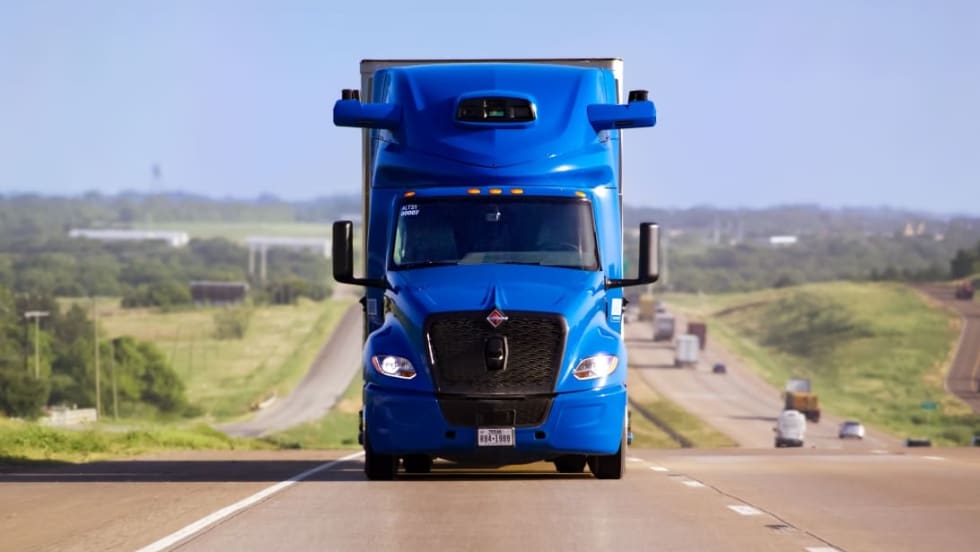
Aurora Rolls Out Next Generation of Driverless Trucks for Commercial Freight
Aurora's latest autonomous trucks it's rolling out with International feature lower-cost hardware designed for a million miles as the company expands commercial driverless freight operations across the U.S. Sun Belt.
Read More →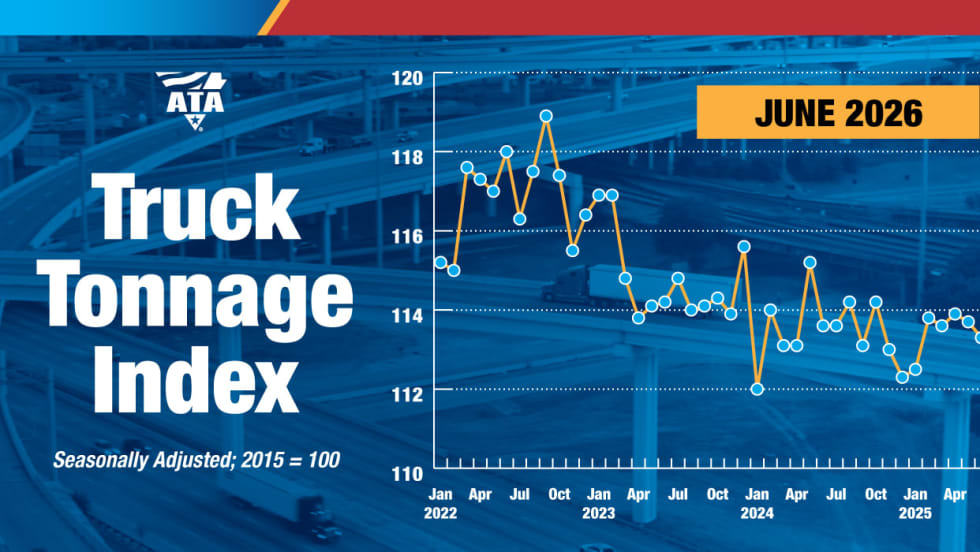
Freight Tonnage Down, Rates up, as Lower Capacity Powers Trucking Recovery
The recovery from the freight recession continues to be driven by reduction in capacity rather than by increased demand.
Read More →
Think Your Trucking Fleet Isn't Using Much AI? Think Again
Shadow AI — the use of unauthorized artificial intelligence tools at work — is becoming increasingly common, putting sensitive company data at risk. Learn how trucking fleets can protect sensitive data while embracing AI.
Read More →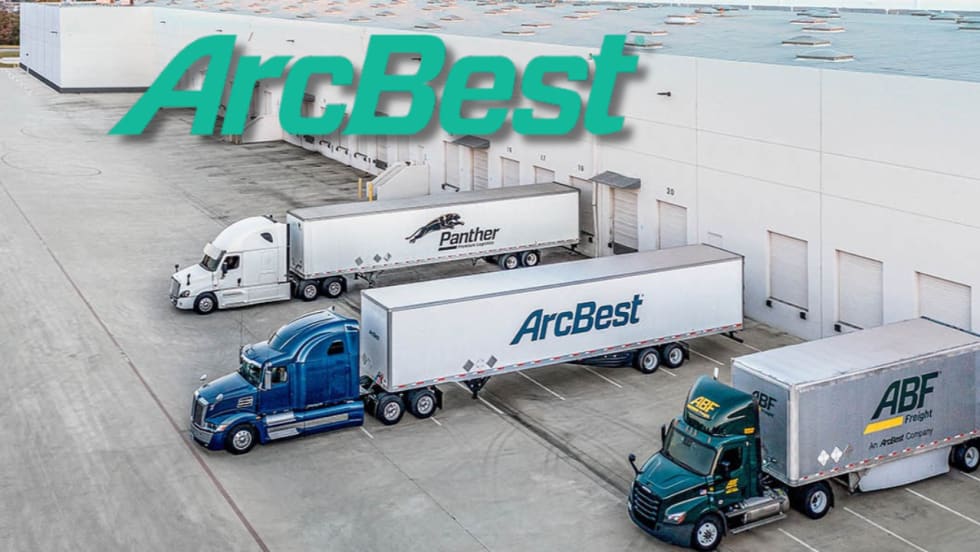
ArcBest Consolidates Brands, Cuts Workforce
The company will bring three business units under the ArcBest brand, eliminate about 2% of positions, and expects the changes to generate $40 million in annual savings.
Read More →
Trucking Fleets Faced Record Operating Costs During Third Year of Freight Recession
ATRI's annual operational cost report shows carriers trimmed fleets, delayed equipment purchases, and ran older trucks as expenses continued to outpace freight rates.
Read More →
Michelin Adds AI Assistant to MyConnectedFleet Platform
Michelin’s new generative AI tool delivers instant fleet insights, helping managers analyze fuel use, tire maintenance, vehicle status, and operational performance without manually creating reports.
Read More →