




FMCSA Still Has No Boss
The Department of Transportation has organized and begun staffing the new Federal Motor Carrier Safety Administration, but is running out of time in the search for a person to lead it
The Department of Transportation has organized and begun staffing the new Federal Motor Carrier Safety Administration, but is running out of time in the search for a person to lead it.
With a staff of 676 taken mainly from the former Office of Motor Carrier Safety, acting assistant administrator Julie Cirillo (pictured)is pursuing the agenda set forth in the safety bill passed by Congress late last year.
The newborn agency is hampered by gaps in personnel and budget but Transportation Secretary Rodney Slater has approved Cirillo’s organization chart and she is seated at DOT’s senior management table.
“The new administration is a full-fledged participant in everything we are doing in the Department of Transportation,” said Deputy DOT Secretary Mortimer Downey.
The major challenge right now is filling the top job of administrator, which requires nomination by the president and confirmation by the Senate. No names have been sent to the White House yet, and time is running short, said Downey.
“It is not easy to get people to think about Senate-confirmed positions in the eighth year of an administration,” he said.
Cirillo said she is not interested in the job right now. “If I took the administrator’s job – not that I’ve been asked – I’d have to leave at the end of this year (and) would be restricted from working for the department for five years. That’s a lot to pay for a six- to eight-month job,” she said.
She added that she cannot say if she would be interested after the new president is sworn in next year.
A major criticism of FMCSA’s predecessor agency was that it was too closely linked with the trucking industry. According to Downey, however, that does not necessarily mean that independence from the industry is the first priority in naming an administrator. Chiefs of other modal administrations in DOT who have industry ties have been successful, he said.
“It depends on the individual, what their goals are, their background and, most important, their commitment to success,” Downey said.
In any event, while the political leadership will give a little more impetus, the career staff will be the mainstay of the administration, he said.
There are six other senior positions remaining to be filled at the agency, including the deputy administrator, the top lawyer and an associate administrator for the four main departments: enforcement, policy, research and technology, and administration.
Cirillo, who also is acting chief safety officer, expects to get clearance to start looking for candidates within a month. The positions, which have the highest civil service ratings, require approval from the federal Office of Personnel Management.
For the time being the agency will rely on its former parent agency, the Federal Highway Administration, for services such as administration and legal assistance. The agency’s budget for the next fiscal year, which is due in February, will contain substantial increases for the agency, Downey said.
Meanwhile, Cirillo is keeping the agency focused on safety enforcement. She said that over the past nine months the agency has doubled the number of safety compliance reviews, increased fines by 85% and reduced its case backlog from 1,200 to 130.
Her top priority is improving the commercial driver’s license program as required by the recent safety law. Also high on her list is getting more states signed on to the PRISM program, a federal-state information system that gives enforcement officials the ability deny registration to unsafe operators.
Another priority is to improve the truck driver medical certification process, possibly by meshing the current system with that used by the Federal Aviation Administration to certify airplane pilots.
The agency has other initiatives under way as well: a pilot program with Arkansas and the Truckload Carriers Assn. to attract 18-year-olds into the business as drivers; and field evaluations of technologies to prevent truck rollover, avoid collisions and focus enforcement on high-accident locations.
Last year when Congress was debating truck safety enforcement, Cirillo expressed reservations about the idea of a separate administration. Now that FMCSA exists, she is comfortable with it, she said.
“We have an enormous opportunity to achieve some great safety gains.” She said she aims to maintain close ties to other DOT administrations that are crucial to her mission – particularly FHWA and the National Highway Traffic Safety Administration.
And, in response to the persistent rumor that she will leave government soon, she said she has no immediate plans to retire.
“Since I withdrew my retirement papers (late in 1998), I have not spoken retirement to anybody,” she said. “Not to (FHWA Administrator Kenneth) Wykle, not to my family, not to my friends, not to the DOT Secretary, not to the DOT Deputy Secretary.”
More Drivers

Competition Heating Up for Truck Drivers
New report reveals rising driver hiring costs, the return of sign-on bonuses, growing AI advantages, and the operational factors shaping driver retention.
Read More →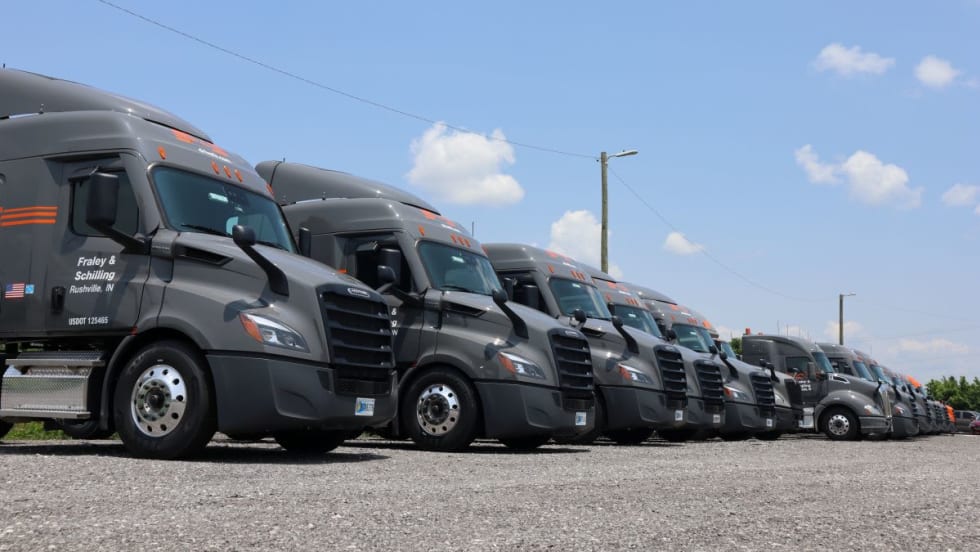
How Fraley & Schilling Improved Logbook Compliance by Over 50%
Fraley & Schilling needed a way to close a compliance workflow gap in its ELD system without adding more work from driver training, reminders, and back-office follow-ups. It found the answer in a custom driver app.
Read More →
Volvo Goes Gaming
Volvo has roared into American Truck Simulator with two new flagship trucks.
Read More →
What the Best Fleets to Drive For Teach About Driver Retention
Survey fatigue, AI-powered routing, owner-operator expectations, and the decline of social media all emerged as themes from this year's Best Fleets to Drive For program.
Read More →
Driver Retention Lessons From the Best Fleets to Drive For
What separates trucking's best workplaces from the rest? Jane Jazrawy shares the biggest lessons from this year's Best Fleets to Drive For program on driver retention, communication, AI, and workforce trends on the HDT Talks Trucking podcast.
Read More →
Farewell, CDL: Why I'm Giving Up My Commercial Driver's License
After more than 20 years as a CDL holder, HDT Executive Editor Jack Roberts is letting his commercial license expire. Not because he wants to — but because trucking's nuclear verdict crisis has made the risks of public-road test drives too great for editors, manufacturers, and everyone involved.
Read More →
How Top Trucking Fleets Improve Driver Retention [Video]
What do healthy snacks, optimized routing, and just picking up the phone have in common? They're all strategies the Best Fleets to Drive For are using to retain truck drivers.
Read More →
Trucker Path Adds Verisk CargoNet Theft Data to Navigation Platform
Trucker Path’s new cargo theft risk overlays give drivers and fleets visibility into high-risk areas, stolen commodity trends, and theft hotspots.
Read More →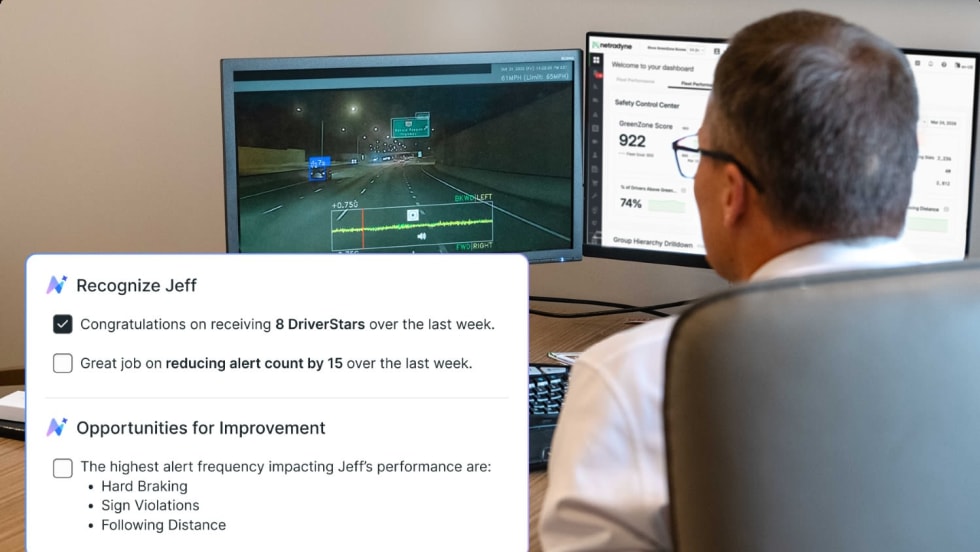
Netradyne Intelligence Uses New AI Agents to Automate Response to In-Cab Camera Data
The company called the next-generation in-cab camera safety platform "a fundamental shift from systems that report on what happened to systems that actively drive what should happen next."
Read More →
Why Truck Detention Keeps Costing Fleets Time and Money
A 2024 ATRI study found detention affects nearly 40% of truckload stops and costs the industry more than $15 billion annually. Despite the toll on drivers, fleets, and supply chains, the problem remains stubbornly persistent.
Read More →