




FMCSA Says No To Shorter Disqualifications
The Federal Motor Carrier Safety Administration (FMCSA) has denied a request to shorten CDL disqualification periods for serious offenses committed in a non-commercial vehicle.
The Federal Motor Carrier Safety Administration (FMCSA) has denied a request to shorten CDL disqualification periods for serious offenses committed in a non-commercial vehicle.
But it clarified the rule to make the disqualifications applicable only if the conviction results in revocation, cancellation or suspension of the CDL holders non-CMV license.
Following last year's final rule that imposed CDL penalties for non-CMV violations, the International Brotherhood of Teamsters and several other unions filed a petition noting that disqualification periods are significantly longer than state penalties. Specifically, they pointed out that the states don't generally impose lifetime disqualifications for second offenses.
FMCSA acknowledged that the 1999 law mandating the change allowed them to impose less stringent penalties for non-CMV offenses, but the agency said it chose to impose the maximum penalties allowed.
"There is no readily apparent reason why the agency should consider DUI committed by a professional CMV driver to be less severe when committed in a non-CMV during off-duty hours, than in a CMV while on duty," the agency said. "The conviction for such a serious offense in the non-CMV suggests that the CDL holder is more likely to commit the same offense in a CMV, than a CDL holder who has never committed such an offense."
The unions also pointed out the law mandated CDL disqualification for convictions resulting in license revocation, cancellation or suspension of a license by the state, but the final rule does not make that distinction. FMCSA agreed, and has made the clarification.
A third request in the union's petition was that FMCSA come up with a way to disqualify foreign drivers for offenses committed in a non-CMV in their own countries. (Foreign drivers can be disqualified if convicted of a non-CMV DUI in the U.S.) As the rule now stands they argued, penalties discriminate against U.S. drivers.
FMCSA acknowledged "unresolved differences" between consequences for U.S. and foreign drivers but said it's an issue that can't be resolved by the rulemaking process since it involves the laws in other countries. As already stated in last year's final rule, the agency said that it intends to initiate discussions with Mexico and Canada to modify existing CDL reciprocity agreements to include non-CMV convictions in those countries.
Further discussion of the petition and FMCSA's response can be found in the Jan. 29 Federal Register at www.archives.gov/.
More Drivers

EEOC Sues Texas Trucking Company Over Driver Age Limits
The agency says Trancasa USA rejected applicants over 65 and applied tougher driving-record standards to those over 60.
Read More →
Nussbaum, Roehl Announce Second Driver Pay Increase This Year
This year has seen a swath of major truck driver pay increases as freight capacity has tightened.
Read More →
From One Generation to the Next: How Mentorship Builds Safer Truck Drivers
After three decades in trucking, Harold Perry shares what he's learned about driver safety, mentorship, and helping the next generation build confidence behind the wheel.
Read More →
Truck Drivers Need More Than Another Alert
Fleets have more visibility into truck health, safety events, and driver activity than ever. The next challenge is turning all that information into useful guidance for the person who has to decide what to do next.
Read More →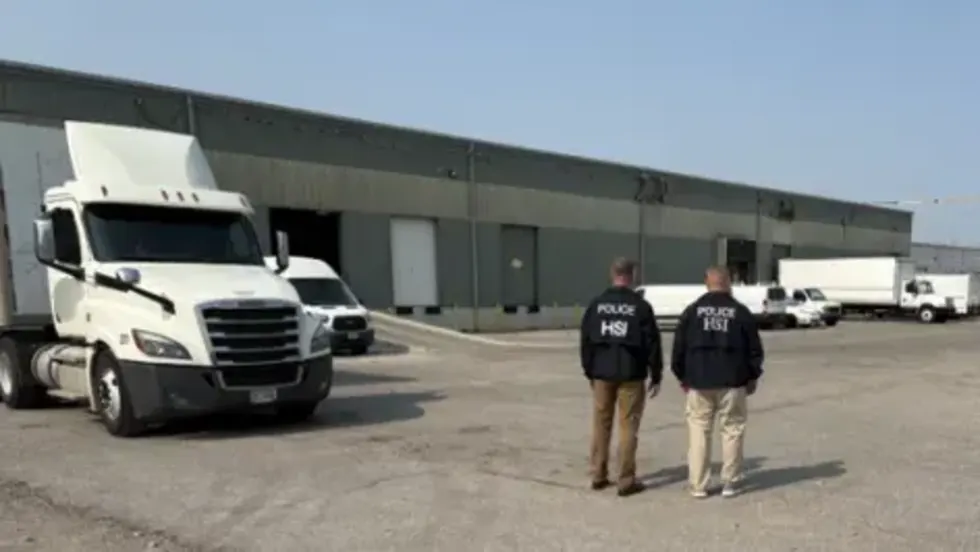
FMCSA Removes 110 Truck Driver Training Schools from Certified ELDT List
Federal regulators also are targeting more than 160 additional training providers and launching a nationwide audit of third-party CDL skills testers as part of a broader crackdown on trucking fraud.
Read More →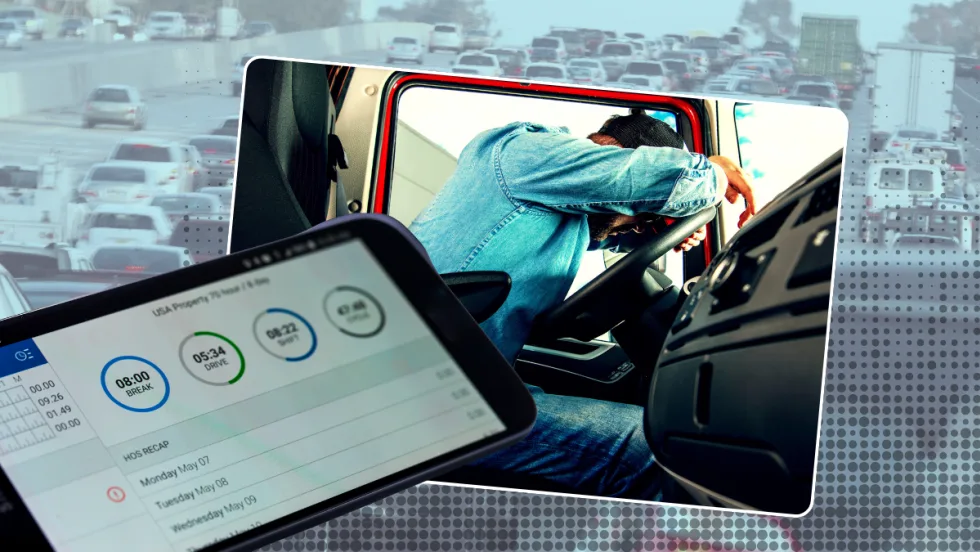
Hours of Service Pilot Programs: FMCSA Readies for 2027 Rollout
Two pilot programs could eventually reshape hours-of-service rules, giving truck drivers options to pause their 14-hour clock or use longer split sleeper rest periods.
Read More →
Medical Cards, English Proficiency Reshape Roadcheck Violations
Medical-card violations jumped to the top of the driver out-of-service list during CVSA’s 2026 International Roadcheck, while English-language proficiency violations appeared among the leading violations for the first time.
Read More →
Driver Trust Can Make or Break the Success of Fleet Safety Technology
New Teletrac Navman research suggests that onboarding, transparency about driver data, and positive feedback can play a significant role in how commercial drivers respond to safety and coaching technology.
Read More →
EEOC Sues KLLM Over Alleged Sex Discrimination in Driver Training
KLLM is facing a federal sex-discrimination lawsuit over policies the EEOC alleges put female truck driver trainees at a disadvantage.
Read More →
FMCSA Moves to Codify English Language Requirements for Commercial Drivers
By changing regulations on English-language proficiency requirements for commercial drivers, rather than relying on a guidance memo, the FMCSA said future administrations won't be able to walk back the Trump administration's stricter enforcement with just a memo.
Read More →