




FMCSA Rule Requires Passengers to Wear Seat Belts in Large Trucks
Passengers riding in large commercial trucks will soon be required to use seat belts when the vehicles are operated on public roads in interstate commerce.
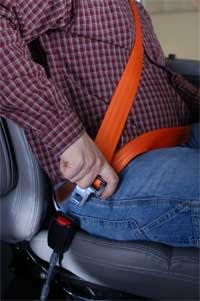
Passengers riding in large commercial trucks will be required to use seat belts when the vehicles are operated on public roads in interstate commerce, the Federal Motor Carrier Safety Administration has announced.
The new rule will be effective Aug. 8, 2016. It revises FMCSA regulations to hold carriers and drivers responsible for ensuring that passengers in large commercial trucks are using seat belts.
“Seat belts save lives– period,” said Anthony Foxx, U.S. Transportation Secretary. “Whether you’re a driver or passenger, in a personal vehicle or large truck, the simple act of wearing a safety belt significantly reduces the risk of fatality in a crash.”
An FMCSA survey found that passengers in commercial vehicles used seat belts 73% of the time compared to drivers who used seat belts 84% of the time.
FMCSA already requires drivers to wear seat belts in property-carrying commercial trucks but until now, the rules were silent on the use of seat belts by passengers.
“Using a seat belt is one of the safest, easiest, and smartest choices drivers and passengers can make before starting out on any road trip,” said Scott Darling, FMCSA Acting Administrator. “This rule further protects large truck occupants and will undoubtedly save more lives.”
More Drivers

Drivers Put Western Star Trucks to the Test at Star Nation Experience
Watch to get an inside look at the Western Star trucks, technology, and community behind the Star Nation Experience 2026!
Read More →
Trump Administration Looks to Put More Veterans Behind the Wheel
The Freedom Haulers program pulls together existing and expanded programs at several federal agencies to recruit veterans to drive commercial heavy-duty trucks and cut the red tape for them to get a CDL, training, and employment.
Read More →
Putting Mack’s Command Steer to the Test
A test drive of Mack’s Command Steer active steering system evaluates how it can make truck driving easier and less tiring.
Read More →
Competition Heating Up for Truck Drivers
New report reveals rising driver hiring costs, the return of sign-on bonuses, growing AI advantages, and the operational factors shaping driver retention.
Read More →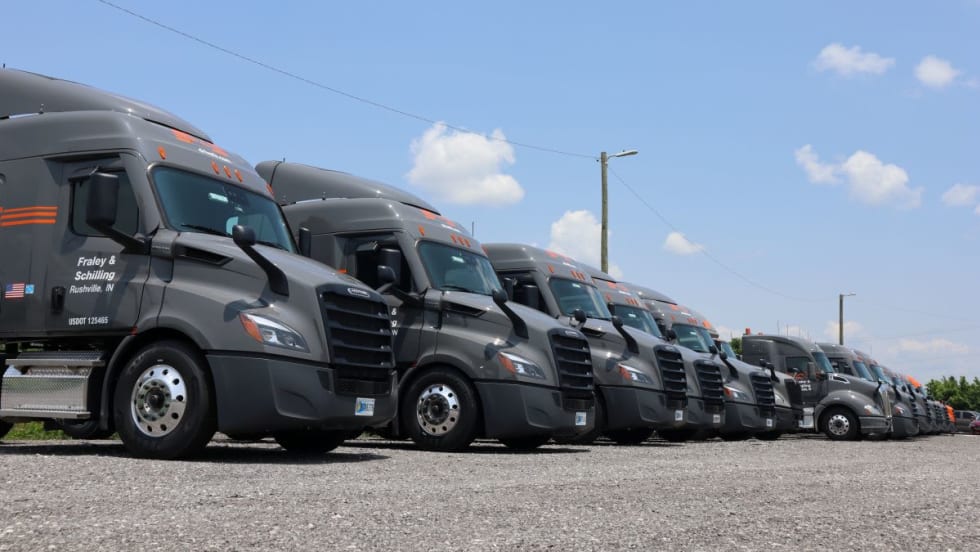
How Fraley & Schilling Improved Logbook Compliance by Over 50%
Fraley & Schilling needed a way to close a compliance workflow gap in its ELD system without adding more work from driver training, reminders, and back-office follow-ups. It found the answer in a custom driver app.
Read More →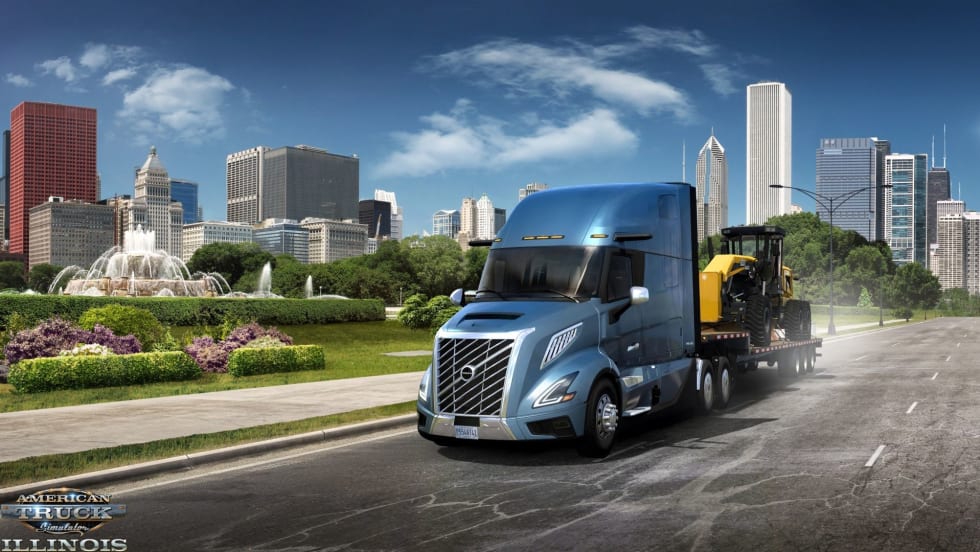
Volvo Goes Gaming
Volvo has roared into American Truck Simulator with two new flagship trucks.
Read More →
What the Best Fleets to Drive For Teach About Driver Retention
Survey fatigue, AI-powered routing, owner-operator expectations, and the decline of social media all emerged as themes from this year's Best Fleets to Drive For program.
Read More →
Driver Retention Lessons From the Best Fleets to Drive For
What separates trucking's best workplaces from the rest? Jane Jazrawy shares the biggest lessons from this year's Best Fleets to Drive For program on driver retention, communication, AI, and workforce trends on the HDT Talks Trucking podcast.
Read More →
Farewell, CDL: Why I'm Giving Up My Commercial Driver's License
After more than 20 years as a CDL holder, HDT Executive Editor Jack Roberts is letting his commercial license expire. Not because he wants to — but because trucking's nuclear verdict crisis has made the risks of public-road test drives too great for editors, manufacturers, and everyone involved.
Read More →
How Top Trucking Fleets Improve Driver Retention [Video]
What do healthy snacks, optimized routing, and just picking up the phone have in common? They're all strategies the Best Fleets to Drive For are using to retain truck drivers.
Read More →