




FMCSA Releases Study Outlining Opportunities for Returning Veterans
A new study released by the U.S. Department of Transportation’s Federal Motor Carrier Safety Administration recommended a series of regulatory changes to further ease the transition of military personnel and veterans into much-needed civilian jobs driving commercial motor vehicles.
A new study released by the U.S. Department of Transportation’s Federal Motor Carrier Safety Administration recommended a series of regulatory changes to further ease the transition of military personnel and veterans into much-needed civilian jobs driving commercial motor vehicles.
In releasing the study, FMCSA also announced plans to implement the changes as soon as possible.
The study, which was directed by Congress in the Moving Ahead for Progress in the 21st Century Act one year ago, analyzed training, testing and licensing similarities and differences between military and civilian commercial driver’s license requirements. A number of federal and state regulatory changes were identified that would not adversely impact safety but would allow returning U.S. military personnel possessing extensive training and experience operating trucks, buses and other heavy equipment to more easily and conveniently receive a state-issued CDL.
The opportunities outlined in the report require formal rulemaking action, which FMCSA will initiate this year. The proposed changes include:
Extending the period of time, from 90 days to one year, in which active duty and recently separated veterans can take advantage of a Military Skills Test Waiver. The waiver, which FMCSA first implemented in 2011, allows states to waive CDL skills tests for service members with two years of safe driving experience with similar vehicles. Today, 46 states and Washington, D.C. offer the waiver, which has already provided almost 2,000 military personnel a quicker pathway to a job;
Updating federal regulations to allow over 60,000 service members trained and employed in the operation of heavy vehicles, many of which are nearly identical to civilian commercial motor vehicles, to immediately qualify for a CDL while still on active duty; and
Allowing a service member who is stationed in one state, but licensed in another, to obtain a CDL before being discharged.
FMCSA will continue to explore other ways to ease the transition from military occupations to jobs requiring CDLs, including waiving the requirements for pre-employment drug testing for recently discharged military personnel based on their recent participation in random drug testing programs run by the military.
In August, FMCSA announced almost $1 million in grants to six colleges to help increase enrollment in commercial motor vehicle training programs, making it easier for veterans and their spouses to obtain CDLs and find transportation jobs. These grants are in addition to similar funding awards made by FMCSA two years ago.
The agency also granted a petition from Virginia in May to allow their military bases to be certified as third-party testers of military personnel for CDL knowledge and skills tests. New Mexico and Wisconsin are preparing to follow suit.
From 2010 to 2020, the need for heavy-vehicle drivers is expected to grow by more than 17% - faster than the national average for other occupations. Jobs as city, tour and school bus drivers, as well as light truck or delivery services drivers, are expected to continue growing at the national average.
A copy of the study is available at: http://www.fmcsa.dot.gov/documents/congress-reports/ReportsCongressVeterans-CDL-Report-Nov2013.pdf
Related Articles:
More Fleet Management

Trimble’s New AI Agent Takes Aim at Fleet Back-Office Busywork
Arc Agent works across Trimble TMS products to automate repetitive tasks such as freight orders, maintenance, invoices, fuel costs and more.
Read More →
How HDT’s 2026 Truck Fleet Innovators Are Rethinking Fleet Operations
Meet five trucking leaders who are challenging assumptions, solving operational problems, and putting innovative ideas to work.
Read More →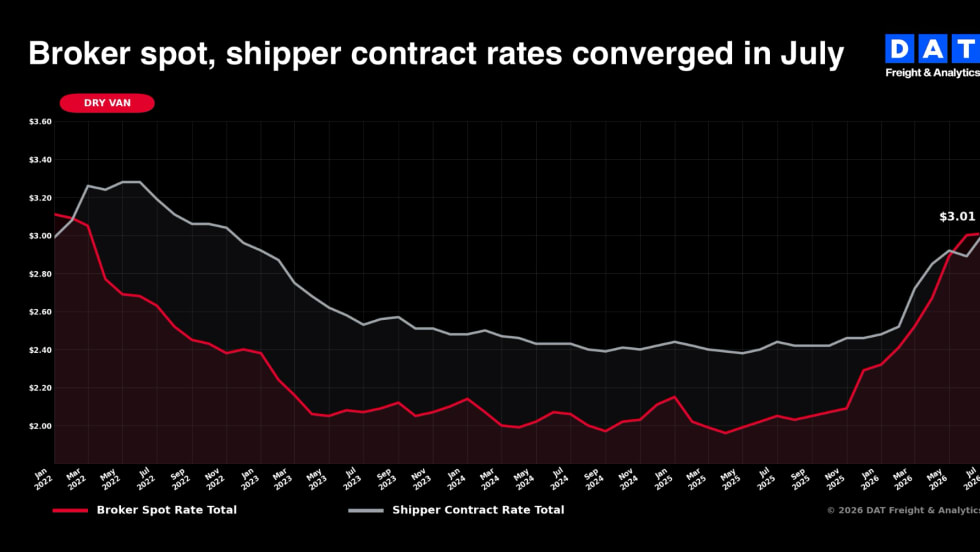
Tight Trucking Capacity Pushes Rates Higher Even as Freight Volumes Fall
“Spot rates moving ahead of contract rates have historically signaled a tightening market, but we haven’t seen a capacity-driven market quite like this one,” said DAT's Dean Croke.
Read More →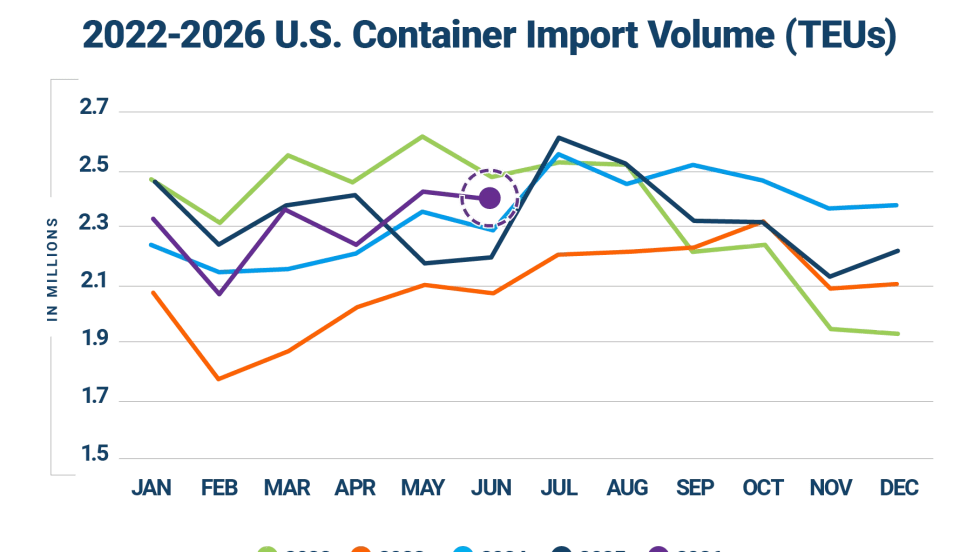
Import Cargo’s Early Peak Season is Winding Down
There was an early start to peak season this year at the nation's gateway ports, as retailers brought in merchandise ahead of tariff changes in late July and responded to other supply chain uncertainties,
Read More →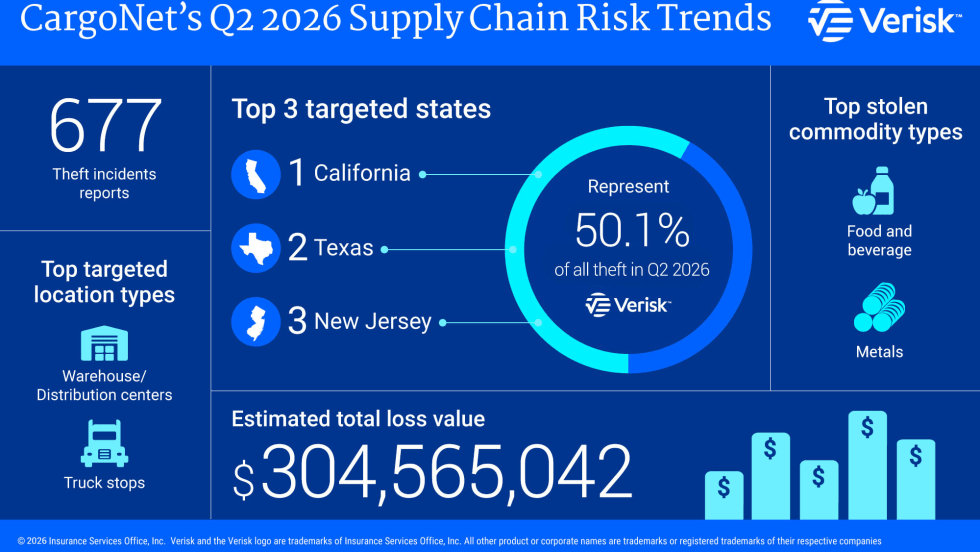
Fewer Cargo Thefts, Bigger Losses: Criminals Target Higher-Value Loads
CargoNet says organized theft rings are stealing fewer shipments but choosing more valuable freight, including metals and technology, resulting in record losses.
Read More →
How Innovative Trucking Leaders Turn Change Into an Advantage
As the pace of change accelerates in trucking, the fleets that adapt best have more than the latest technology. They have cultures that embrace improvement.
Read More →
Freight Broker Bonds Just Got Harder to Get. Here's What That Means for Your Fleet.
When it gets harder for a freight broker to prove they are financially sound, the ones who cannot clear that bar get pushed out of the market. And those are exactly the brokers who used to leave motor carriers holding the bag.
Read More →
Long-Awaited Canadian Border Bridge to Open in Detroit
For trucking, the bridge opening should offer immediate improvements in efficiency and reliability, with new customs facilities, expanded inspection capacity, and direct freeway-to-freeway connections.
Read More →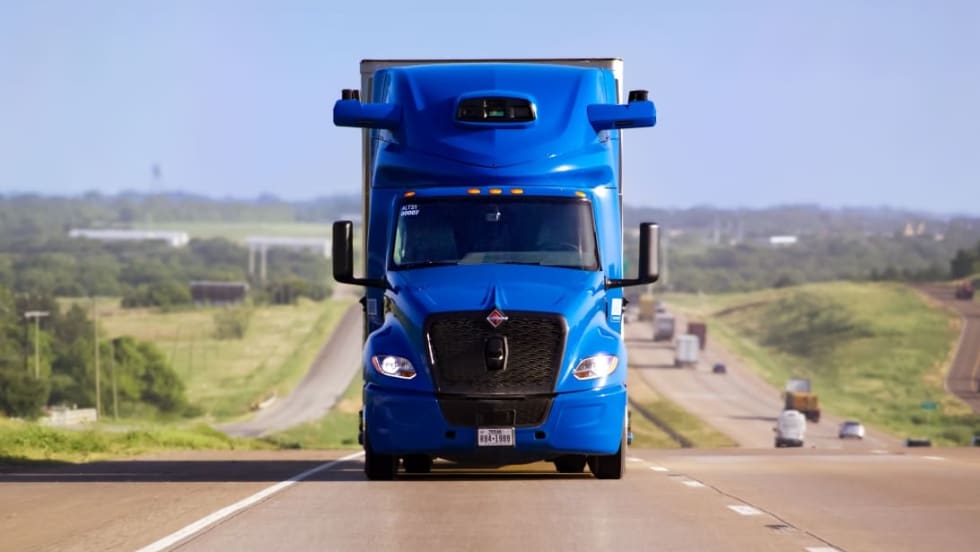
Aurora Rolls Out Next Generation of Driverless Trucks for Commercial Freight
Aurora's latest autonomous trucks it's rolling out with International feature lower-cost hardware designed for a million miles as the company expands commercial driverless freight operations across the U.S. Sun Belt.
Read More →
Freight Tonnage Down, Rates up, as Lower Capacity Powers Trucking Recovery
The recovery from the freight recession continues to be driven by reduction in capacity rather than by increased demand.
Read More →