




FMCSA Proposes Younger Driver Pilot Program for Former Military
A proposed pilot program using former military drivers would attempt to answer the question of whether 18- to 20-year-old truck drivers are as safe as those 21 and over.
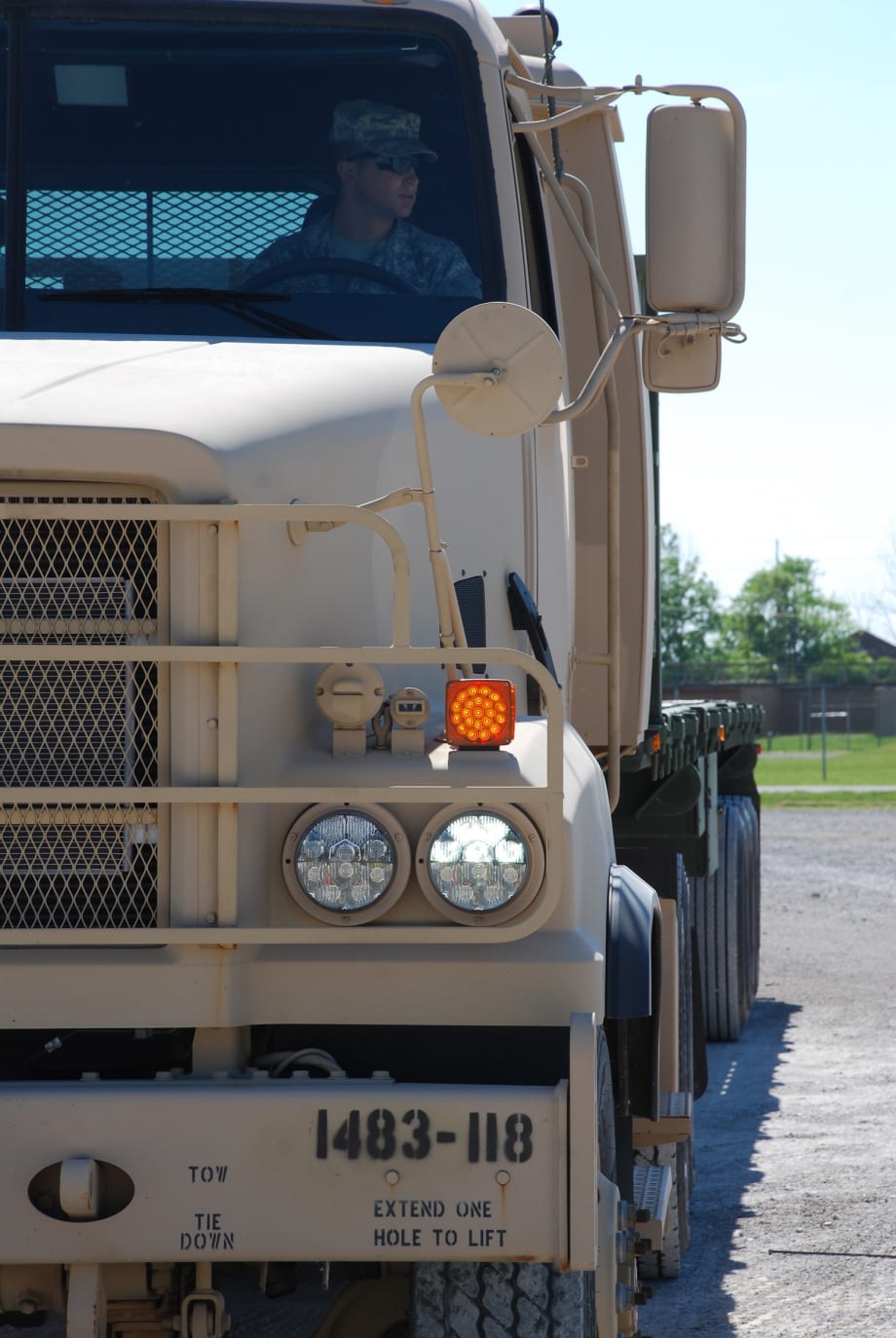

The Federal Motor Carrier Safety Administration is proposing a pilot program allowing a limited number of drivers between the ages of 18 and 21 to operate commercial motor vehicles in interstate commerce if they received specified heavy-vehicle driver training while in military service and are sponsored by a participating motor carrier.
The program is required by the Fixing America’s Surface Transportation (FAST) Act.
During the three-year pilot program, the safety records of these younger drivers (the study group) would be compared to the records of a control group of comparable size, made up of drivers who are 21 years of age or older and who have comparable training and experience in driving vehicles requiring a commercial driver’s license. The control group would consist of volunteer drivers who meet specified criteria and are employed by a participating carrier. The comparison of the two groups’ performance would help to determine whether age is a critical safety factor.
FMCSA is also proposing criteria for a working group to consult with the Agency in conducting, monitoring, and evaluating the pilot program.
The agency notes that while there has been opposition to previous proposals to allow younger drivers to driver in interstate operations, many intrastate commercial vehicle drivers are already in this age group. But FMCSA is not aware of any studies or published reports comparing their safety performance with that of drivers over 21, either interstate or intrastate. This pilot program would provide much-needed data on the issue.
To have a statistically valid sample of drivers under the age of 21, approximately 200 study group participants are desired. When these individuals reach the age of 21, they would no longer participate in the pilot program and would be replaced by new study group members meeting the eligibility requirements.
Participating carriers that meet the qualifications would sponsor study group members and perform other duties related to the pilot, such as filing certain reports and recruiting existing drivers to participate as control group members. Carriers would be required to install and operate electronic logging devices (ELDs) on all vehicles operated by study and control group drivers. Data from these devices, such as vehicle miles traveled, is essential to analyze driving safety records, the agency notes.
The agency seeks public input during the next 30 days on the pilot program as well as outlined procedural steps and a data collection plan. Comments and data received from the public will be used to further develop the program.
Click here to read the Federal Register notice and provide comments.
More Drivers

Samsara Launches Custom AI Agent Builder
Agent Studio lets fleets create AI tools for hours-of-service monitoring, reporting and driver support, including agents that communicate by phone.
Read More →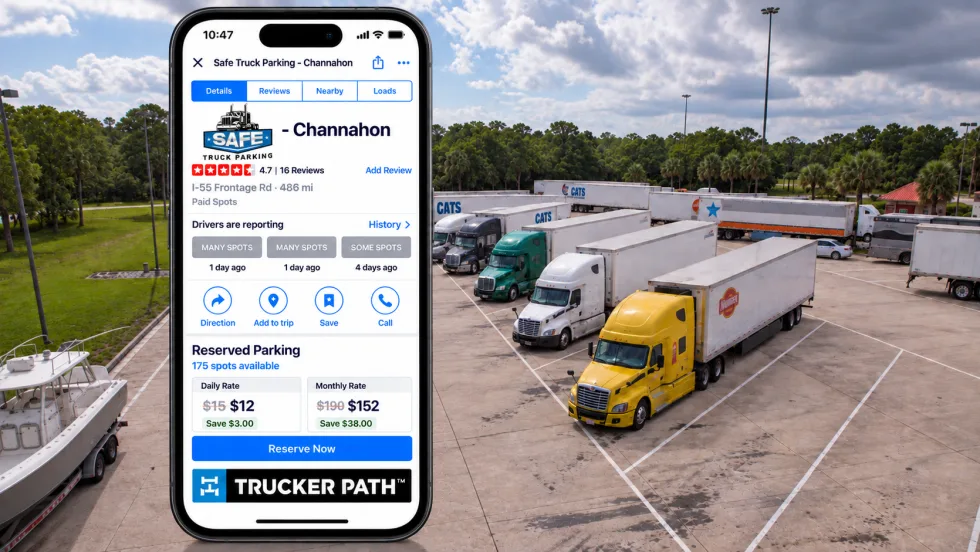
Trucker Path Expands Reserved Parking Network
Trucker Path has added close to 6,000 more truck parking spaces to its Trucker Path Reserved Parking Network with the addition of Safe Truck Parking.
Read More →
EEOC Sues Texas Trucking Company Over Driver Age Limits
The agency says Trancasa USA rejected applicants over 65 and applied tougher driving-record standards to those over 60.
Read More →
Nussbaum, Roehl Announce Second Driver Pay Increase This Year
This year has seen a swath of major truck driver pay increases as freight capacity has tightened.
Read More →
From One Generation to the Next: How Mentorship Builds Safer Truck Drivers
After three decades in trucking, Harold Perry shares what he's learned about driver safety, mentorship, and helping the next generation build confidence behind the wheel.
Read More →
Truck Drivers Need More Than Another Alert
Fleets have more visibility into truck health, safety events, and driver activity than ever. The next challenge is turning all that information into useful guidance for the person who has to decide what to do next.
Read More →
FMCSA Removes 110 Truck Driver Training Schools from Certified ELDT List
Federal regulators also are targeting more than 160 additional training providers and launching a nationwide audit of third-party CDL skills testers as part of a broader crackdown on trucking fraud.
Read More →
Hours of Service Pilot Programs: FMCSA Readies for 2027 Rollout
Two pilot programs could eventually reshape hours-of-service rules, giving truck drivers options to pause their 14-hour clock or use longer split sleeper rest periods.
Read More →
Medical Cards, English Proficiency Reshape Roadcheck Violations
Medical-card violations jumped to the top of the driver out-of-service list during CVSA’s 2026 International Roadcheck, while English-language proficiency violations appeared among the leading violations for the first time.
Read More →
Driver Trust Can Make or Break the Success of Fleet Safety Technology
New Teletrac Navman research suggests that onboarding, transparency about driver data, and positive feedback can play a significant role in how commercial drivers respond to safety and coaching technology.
Read More →