




FMCSA Making Slow Progress
The federal truck and bus safety program is getting a much better reception on Capitol Hill than it was this time last year, but it still has miles to go before the critics will be satisfied. At a hearing before the House Transportation Subcommittee last week, chairman Frank Wolf, R-VA, gave notice that he is going to keep a sharp eye on the Federal Motor Carrier Safety Administration.
The federal truck and bus safety program is getting a much better reception on Capitol Hill than it was this time last year, but it still has miles to go before the critics will be satisfied.
At a hearing before the House Transportation Subcommittee last week, chairman Frank Wolf, R-VA, gave notice that he is going to keep a sharp eye on the Federal Motor Carrier Safety Administration.
Wolf, whose dogged commitment to the issue sparked last year’s truck safety reforms, chided DOT for slow progress in finding a leader for the new agency and pushed for faster implementation of the new law.
“Truck safety is a problem that can be solved,” he said. “I am going to stay interested in this issue.”
Wolf’s hearing was the stage for reports on the new safety agency by DOT Inspector General Kenneth Mead, and General Accounting Office Associate Director Phyllis Scheinberg. Both were influential critics of the safety program throughout the reform process.
Mead said the agency is making progress. “FMCSA is headed in the right direction but has a long way to go to establish an effective oversight program,” he said.
Mead’s specifics: Even with additional officials on duty, there are not enough inspectors protecting the Mexican border; too many unsafe trucking companies are being permitted to operate; and the commercial drivers’ license program needs to be tightened.
“There are drivers on the road that should be disqualified,” he said.
The safety law Congress passed last year contains numerous changes in the CDL program but they must be issued in the form of FMCSA rules, and that takes time.
According to an FMCSA representative speaking at a driver training conference this week, the CDL reforms will start to show up late this year. Look for a proposal to disqualify truck or bus drivers convicted of a drug or alcohol violation in their personal auto in the fall, said Bob Redmond, chief of the agency driver division.
Scheinberg’s critique went more to process than to product. She said DOT needs to develop a comprehensive strategy for meeting its goal of cutting truck-related fatalities by 50% over the next 10 years. And, she said, FMCSA needs to assign priorities to each provision of its action plan.
Scheinberg sees the pending proposal to reform the hours of service rules as the critical test of FMCSA’s leadership. “It will be a turning point for the agency,” she told Wolf.
FMCSA Assistant Administrator Julie Cirillo told Wolf that the hours proposal will be at the White House Office of Management and Budget for at least another week. OMB wants clarifications from the safety agency before it will release the proposal, she said.
She also said the agency is talking to the Treasury Department about providing tax incentives for small trucking operations to use onboard recorders.
Sources say the proposed rules will require onboard recorders to track driver hours for some kinds of operations.
Tomorrow: FMCSA’s Safety Action Plan
More Drivers

Competition Heating Up for Truck Drivers
New report reveals rising driver hiring costs, the return of sign-on bonuses, growing AI advantages, and the operational factors shaping driver retention.
Read More →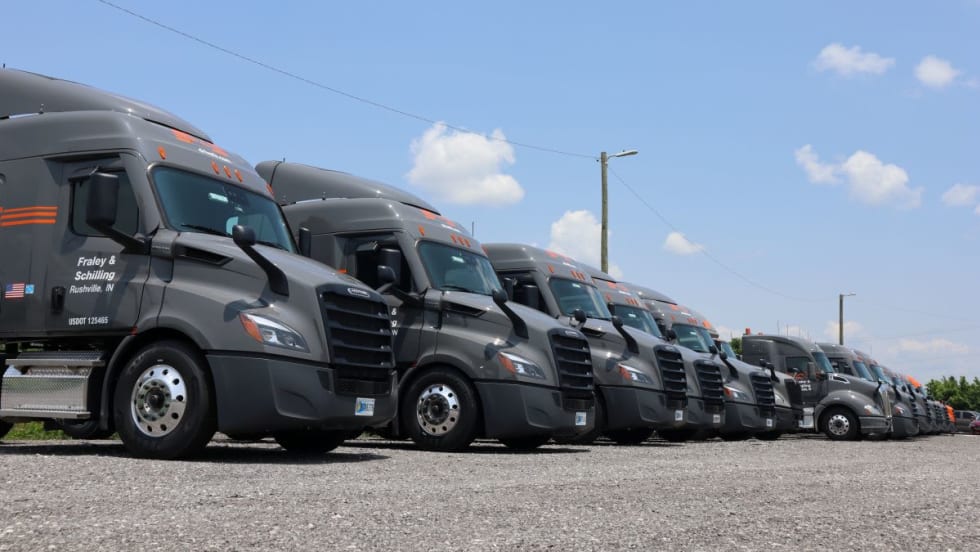
How Fraley & Schilling Improved Logbook Compliance by Over 50%
Fraley & Schilling needed a way to close a compliance workflow gap in its ELD system without adding more work from driver training, reminders, and back-office follow-ups. It found the answer in a custom driver app.
Read More →
Volvo Goes Gaming
Volvo has roared into American Truck Simulator with two new flagship trucks.
Read More →
What the Best Fleets to Drive For Teach About Driver Retention
Survey fatigue, AI-powered routing, owner-operator expectations, and the decline of social media all emerged as themes from this year's Best Fleets to Drive For program.
Read More →
Driver Retention Lessons From the Best Fleets to Drive For
What separates trucking's best workplaces from the rest? Jane Jazrawy shares the biggest lessons from this year's Best Fleets to Drive For program on driver retention, communication, AI, and workforce trends on the HDT Talks Trucking podcast.
Read More →
Farewell, CDL: Why I'm Giving Up My Commercial Driver's License
After more than 20 years as a CDL holder, HDT Executive Editor Jack Roberts is letting his commercial license expire. Not because he wants to — but because trucking's nuclear verdict crisis has made the risks of public-road test drives too great for editors, manufacturers, and everyone involved.
Read More →
How Top Trucking Fleets Improve Driver Retention [Video]
What do healthy snacks, optimized routing, and just picking up the phone have in common? They're all strategies the Best Fleets to Drive For are using to retain truck drivers.
Read More →
Trucker Path Adds Verisk CargoNet Theft Data to Navigation Platform
Trucker Path’s new cargo theft risk overlays give drivers and fleets visibility into high-risk areas, stolen commodity trends, and theft hotspots.
Read More →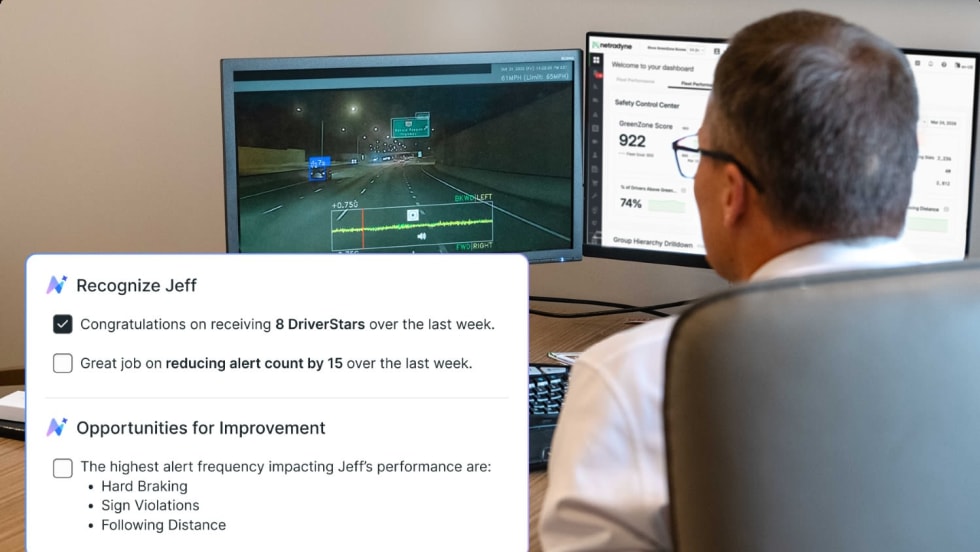
Netradyne Intelligence Uses New AI Agents to Automate Response to In-Cab Camera Data
The company called the next-generation in-cab camera safety platform "a fundamental shift from systems that report on what happened to systems that actively drive what should happen next."
Read More →
Why Truck Detention Keeps Costing Fleets Time and Money
A 2024 ATRI study found detention affects nearly 40% of truckload stops and costs the industry more than $15 billion annually. Despite the toll on drivers, fleets, and supply chains, the problem remains stubbornly persistent.
Read More →