




FMCSA Dumps ICC Markings
Within two years all trucks in interstate commerce will have to carry the motor carrier identification number issued by the Federal Motor Carrier Safety Administration
Within two years all trucks in interstate commerce will have to carry the motor carrier identification number issued by the Federal Motor Carrier Safety Administration.
Within five years, all will have to bear the legal name of the operating carrier.
The new rules, proposed in 1998, essentially do away with old marking requirements of the Interstate Commerce Commission. FMCSA says they are intended to "enhance the ability of the FMCSA, the states, and the general public to identify motor carriers." All changes are effective July 3, 2000, but the agency has alllowed phase-in periods for retrofitting vehicles in service before that date.
Carriers that are now using ICC numbers will have to replace them with "USDOT" numbers by July 3, 2002. By July 5, 2000, all commercial vehicles must also carry the legal name or a single trade name of the operating carrier, as listed on the motor carrier identification report (Form-150). FMCSA rejected a proposal to require the city and state where the company is based, agreeing with trucking arguments that it isn’t necessary. Any vehicles put into service on or after July 3, 2000, should be in compliance.
Identification markings must appear on both sides of the truck. Letters must "contrast sharply" with the background color, and must be legible, during daylight hours, from a distance of 50 feet while the vehicle is stationary. They can be painted on or can be displayed on a "removable device" if the device meets identification and legibility rules.
Trucks rented for less than 30 days can bear the rental company’s name but must also carry the rental agreement with the name and address of the renting motor carrier as well as its DOT number or information regarding the carrier’s operation and statement of safety compliance.
In the same rule, FMCSA also changed filing requirements, making it mandatory for new carriers to file Form-150 before beginning operations. Previous rules gave new carriers 90 days after beginning operations to file the form. Only the legal name or a single trade name maybe used on the report. The agency said it would consider requests for individual USDOT numbers to corporate divisions on a case-by-case basis but added that it must also consider whether assigning different numbers to a single corporate identity will "compromise the integrity of the collection process."
The final rule and discussions appeared June 2 in the Federal Register which can be accessed at www.nara.gov/fedreg.
More Drivers

From One Generation to the Next: How Mentorship Builds Safer Truck Drivers
After three decades in trucking, Harold Perry shares what he's learned about driver safety, mentorship, and helping the next generation build confidence behind the wheel.
Read More →
Truck Drivers Need More Than Another Alert
Fleets have more visibility into truck health, safety events, and driver activity than ever. The next challenge is turning all that information into useful guidance for the person who has to decide what to do next.
Read More →
FMCSA Removes 110 Truck Driver Training Schools from Certified ELDT List
Federal regulators also are targeting more than 160 additional training providers and launching a nationwide audit of third-party CDL skills testers as part of a broader crackdown on trucking fraud.
Read More →
Hours of Service Pilot Programs: FMCSA Readies for 2027 Rollout
Two pilot programs could eventually reshape hours-of-service rules, giving truck drivers options to pause their 14-hour clock or use longer split sleeper rest periods.
Read More →
Medical Cards, English Proficiency Reshape Roadcheck Violations
Medical-card violations jumped to the top of the driver out-of-service list during CVSA’s 2026 International Roadcheck, while English-language proficiency violations appeared among the leading violations for the first time.
Read More →
Driver Trust Can Make or Break the Success of Fleet Safety Technology
New Teletrac Navman research suggests that onboarding, transparency about driver data, and positive feedback can play a significant role in how commercial drivers respond to safety and coaching technology.
Read More →
EEOC Sues KLLM Over Alleged Sex Discrimination in Driver Training
KLLM is facing a federal sex-discrimination lawsuit over policies the EEOC alleges put female truck driver trainees at a disadvantage.
Read More →
FMCSA Moves to Codify English Language Requirements for Commercial Drivers
By changing regulations on English-language proficiency requirements for commercial drivers, rather than relying on a guidance memo, the FMCSA said future administrations won't be able to walk back the Trump administration's stricter enforcement with just a memo.
Read More →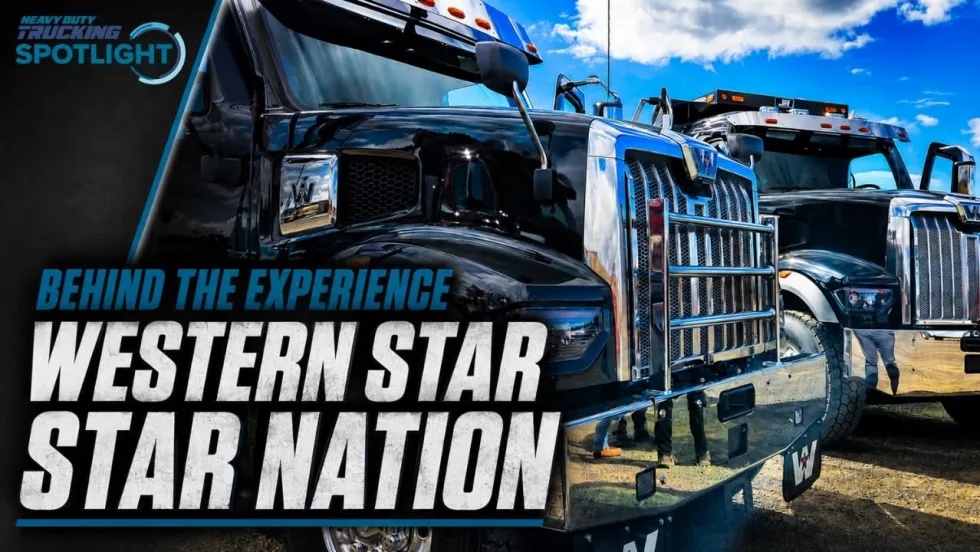
Drivers Put Western Star Trucks to the Test at Star Nation Experience
Watch to get an inside look at the Western Star trucks, technology, and community behind the Star Nation Experience 2026!
Read More →
Trump Administration Looks to Put More Veterans Behind the Wheel
The Freedom Haulers program pulls together existing and expanded programs at several federal agencies to recruit veterans to drive commercial heavy-duty trucks and cut the red tape for them to get a CDL, training, and employment.
Read More →