




FMCSA Announces Changes to Clarify Sleeper Rule
The Federal Motor Carrier Safety Administration has made some changes to the new hours of service rules in order to clarify the use of time in the sleeper berth to accumulate mandated off-duty time
The Federal Motor Carrier Safety Administration has made some changes to the new hours of service rules in order to clarify the use of time in the sleeper berth to accumulate mandated off-duty time.
Starting Jan. 4, commercial drivers will be limited to 14 hours on duty (versus 15 hours currently) after 10 hours consecutive hours off-duty. Any off-duty time during the 14 hours after coming on duty is included in the on-duty calculations.
In sleeper berth operations, the following are included in calculating the 14 hours: on-duty time, non-sleeper berth off-duty time, sleeper berth time of less than two hours, and sleeper berth time of two hours or more that is not used to accumulate 10 hours of off-duty time.
The clarification also says that a combination of consecutive sleeper berth time and off-duty time totaling 10 hours may be used to comply with the 10-hour off-duty requirement in sleeper berth operations and in situations where a driver moves from a sleeper berth to a non-sleeper berth operation.
This rule also applies to drivers in natural gas/oil well operations where a previous "other sleeping accommodations" option was inadvertently omitted from the final rule.
Any two sleeper-berth periods (each at least two hours long) totaling 10 hours may be used in calculating the 10-hour requirement. Sleeper berth periods not used in calculating the 10-hour rest period must be included in calculating the 14-hour on-duty limit.
FMCSA offered the following example to illustrate the underlying principle for dealing with situations in which a driver takes more than two sleeper berth periods, all of which are more than 2 hours long:
After 10 consecutive hours off-duty, a driver drives for four hours, takes two hours in the sleeper, drives three hours, takes three hours in the sleeper, drives five hours and goes into the sleeper for seven hours.
The second and third sleeper berth (three hours plus seven hours) meet the requirement of the new rule -- i.e. 10 hours off duty in two periods, each of which is at least two hours long. The first and second periods in the berth (two hours plus three hours) don’t meet the requirements.
FMCSA also issued a correction to the 16-hour short-haul exemption. That new rule will allow short-haul and local drivers (i.e. drivers who sleep at home all evenings and who have limited range of operations) one day per workweek when they can work up to 16 hours. The final rule says that the driver may not have taken the exemption "within the previous seven consecutive days." But the previous seven days and the current day when the exemption can again be used constitute an eight-day cycle instead of the seven-day cycle intended. Thus FMCSA has corrected that to read "within the previous six consecutive days."
The amendments -- with explanations -- were published in the Sept. 30 Federal Register, which can be accessed on the Internet at www.gpoaccess.gov.
More Aftermarket
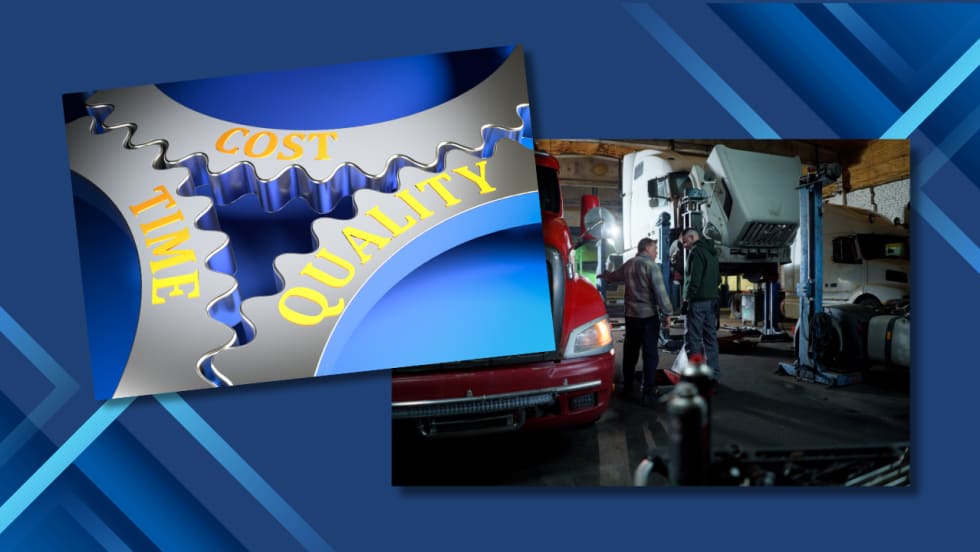
What Three Fleets Are Doing Differently When Buying Truck Parts in 2026
With freight improving but costs still climbing, fleet maintenance executives explain how they're balancing price, quality, and supplier relationships.
Read More →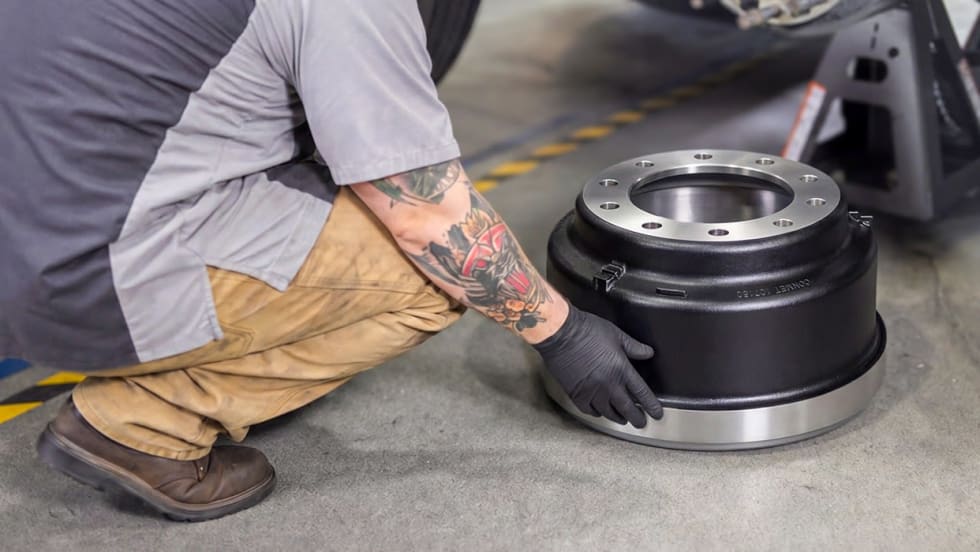
ConMet Expands Aftermarket Brake Drum Lineup With TruCast
A new heavy-duty truck brake drum option in the aftermarket gives customers more flexibility within the ConMet product family.
Read More →
Phillips Opens High-Tech Distribution Center for Faster Parts Delivery
Phillips Industries’ new Cincinnati-area distribution center is now shipping aftermarket trucking parts nationwide, aiming to speed up delivery times for customers.
Read More →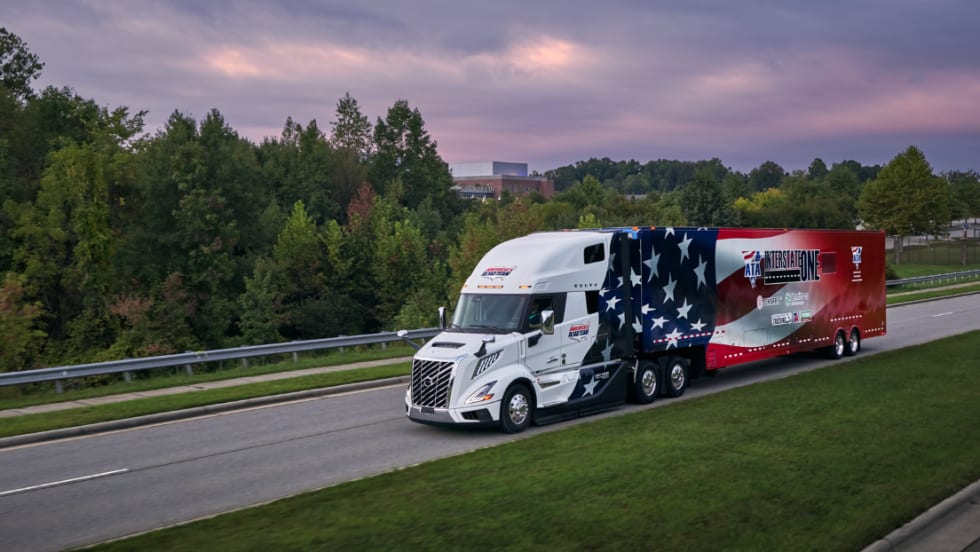
Volvo to Sponsor America’s Road Team for 2025
Volvo Trucks announced that it is extending its exclusive sponsorship of America’s Road Team for 2025.
Read More →
Webb to Start Taking Orders for UltraSet Pre-Adjusted Wheel Hubs
Webb, which recently acquired the Stemco Trifecta pre-adjusted hub program, will soon start taking orders for its replacement pre-assembled hub, the UltraSet.
Read More →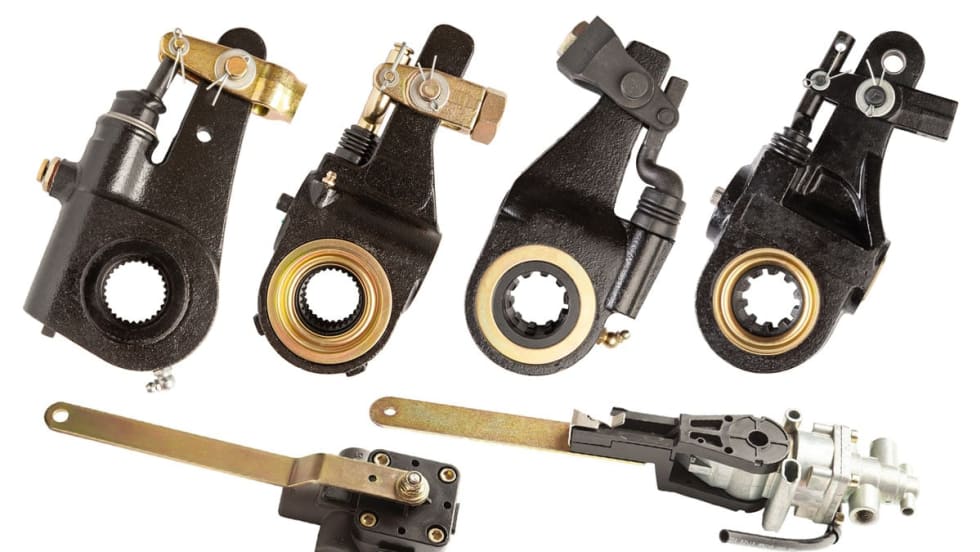
All-Makes Automatic Brake Adjusters, Ride Height Control Valves from Midland
SAF-Holland has added automatic brake adjusters and ride height control valves to its Midland All-Makes Program.
Read More →
ZF Aftermarket Expands [pro]Academy Training
ZF Aftermarket said it is expanding its ZF [pro]Academy training and will be adding 40 new modules this year.
Read More →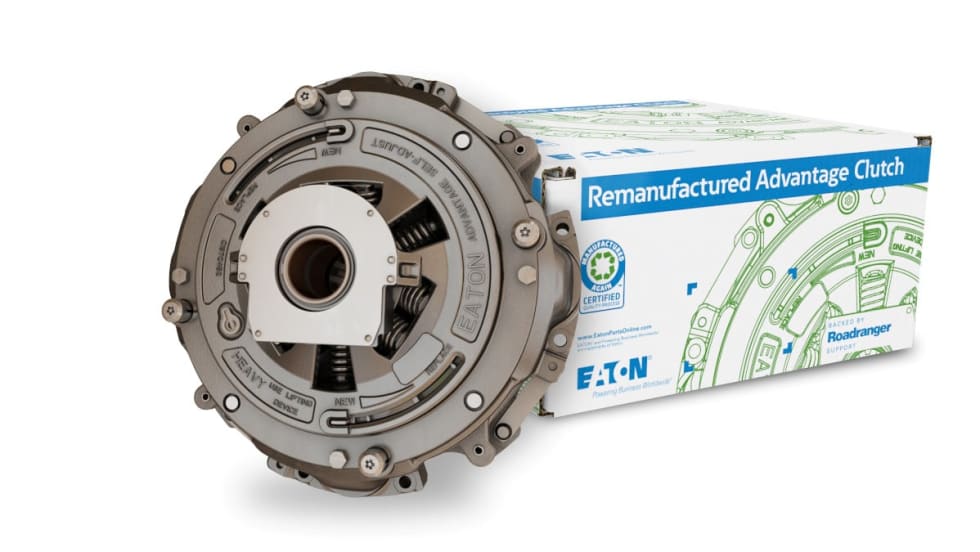
Eaton Adds Remanufactured Advantage Line of Clutches
Eaton has added its Advantage clutches to its remanufactured product line. The clutches feature a unique strap drive intermediate plate designed to allow customers to choose the latest OE specification
Read More →
ConMet Acquires TruckLabs, the Creator of TruckWings
Commercial truck and trailer parts provider ConMet acquired TruckLabs, the company that created TruckWings, an aerodynamic device that attaches to truck cabs and deploys to close the gap between truck and trailer. TruckLabs now operates as a subsidiary of ConMet.
Read More →
Diesel Laptops Releases Fault-Code-to-Part-Number Tool
Diesel Laptops said its Truck Fault Codes allows users to input a fault code and immediately identify and order the parts needed to complete repair work.
Read More →