




Florida to Increase Time Duration of Yellow Lights
The Florida Department of Transportation recently announced that it will be re-calculating the current timing on all yellow lights in all of the state's intersections.


The Florida Department of Transportation recently announced that it will be re-calculating the current timing on all yellow lights in all of the state's intersections.
According to an article in The Florida Times-Union, yellow-light durations will see an increase of four-tenths of a second prior to the light turning red. The increase in yellow-light durations will be implemented first in all intersections with red-light cameras by the end of the year, and all other intersections in the state will be updated by June 20, 2015.
Florida's DOT Traffic Operations Engine Mark Wilson told The Florida Times-Union that as drivers get older, they can't quite react to changing traffic lights as they used to.
“People who can’t make it in time make up for it by braking faster,” Wilson told The Florida Times-Union. “That means we have people who are doing hard braking. That allows the person to say, I don’t have to slam on my brakes. I can make it through this.
“I’m hoping our rear-end crashes drop because of this,” he said, writing later that some research says “when you install a red-light-running-camera that you will have a drop in the right-angle crashes, but also sometimes a small increase in rear-end crashes, so I was thinking that a slightly longer yellow phase may help with this issue,” according the the article.
The article goes on to site the reason behind the decision to increase the time duration on yellow lights comes from a report by the National Cooperative Highway Research Program. It said: "the average reaction time is 1 second, but a considerable chunk of he popultion - 15% - takes 1.33 seconds or longer to react. The report said those slower-reacting drivers could still brake in time for yellow lights but they’d have to slow down more rapidly," according to the article.
More Fleet Management

For Nicky Cupp, Fleet Innovation Starts With Frustration
HDT Truck Fleet Innovator Nicky Cupp turns everyday pain points at Fraley & Schilling into opportunities for better technology and smarter processes.
Read More →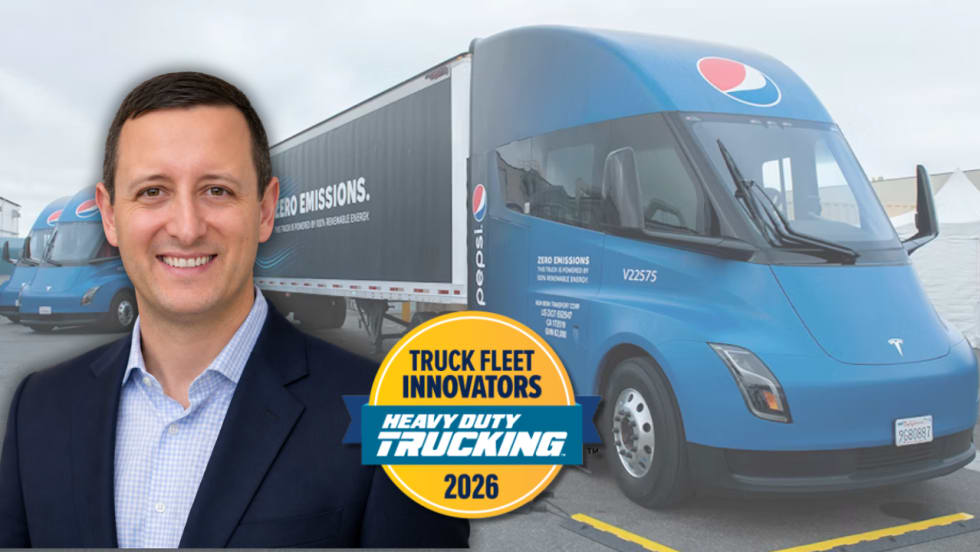
Adam Buttgenbach’s Approach to Electric Trucks: Start With Where They Fit
HDT Truck Fleet Innovator Adam Buttgenbach helped PepsiCo build one of North America’s largest EV fleets by focusing on where electric trucks make operational sense.
Read More →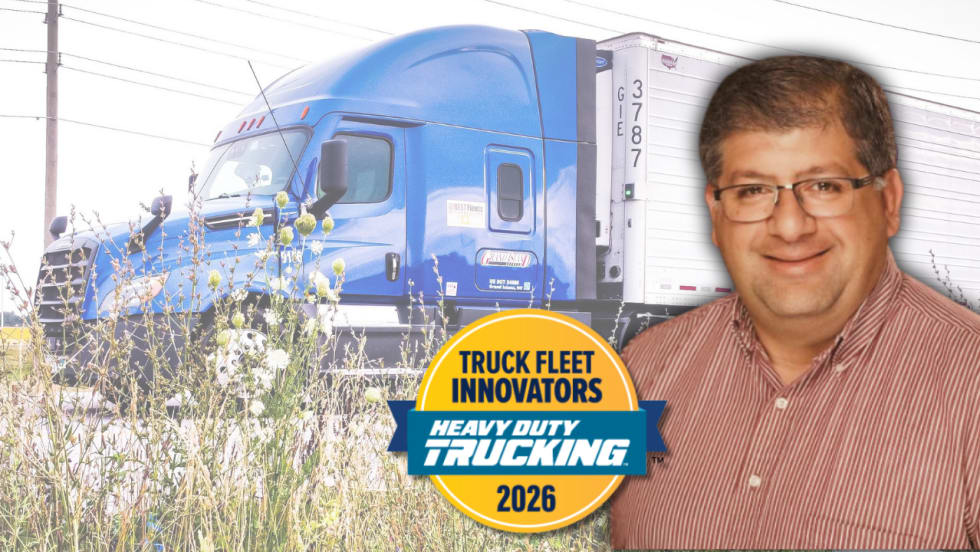
Deen Albert: Let Automation Do the Math, People Make the Decisions
HDT Truck Fleet Innovator Deen Albert makes sure people are still at the heart of operations at Grand Island Express, even while adopting artificial intelligence tools. AI-assisted dispatch helped boost revenue 25% with the same number of trucks.
Read More →
Trimble’s New AI Agent Takes Aim at Fleet Back-Office Busywork
Arc Agent works across Trimble TMS products to automate repetitive tasks such as freight orders, maintenance, invoices, fuel costs and more.
Read More →
How HDT’s 2026 Truck Fleet Innovators Are Rethinking Fleet Operations
Meet five trucking leaders who are challenging assumptions, solving operational problems, and putting innovative ideas to work.
Read More →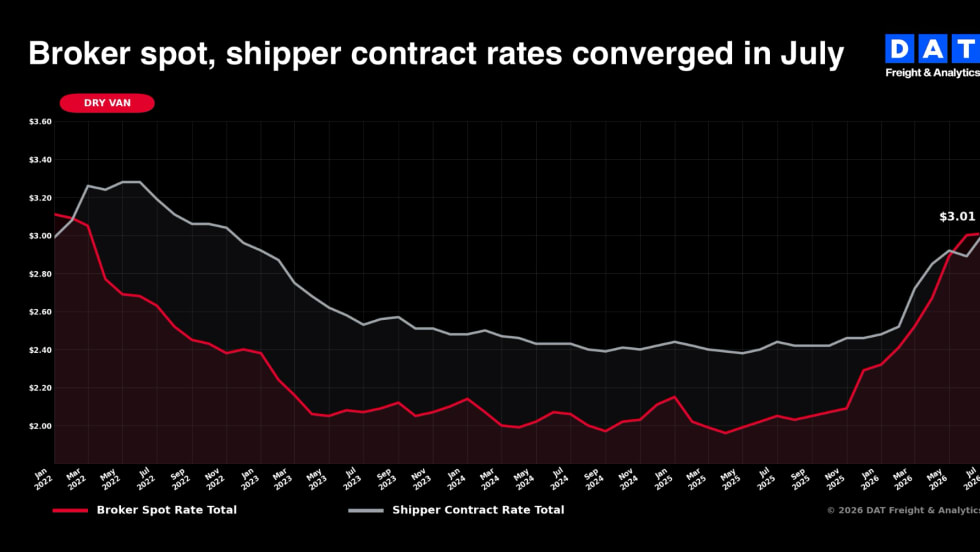
Tight Trucking Capacity Pushes Rates Higher Even as Freight Volumes Fall
“Spot rates moving ahead of contract rates have historically signaled a tightening market, but we haven’t seen a capacity-driven market quite like this one,” said DAT's Dean Croke.
Read More →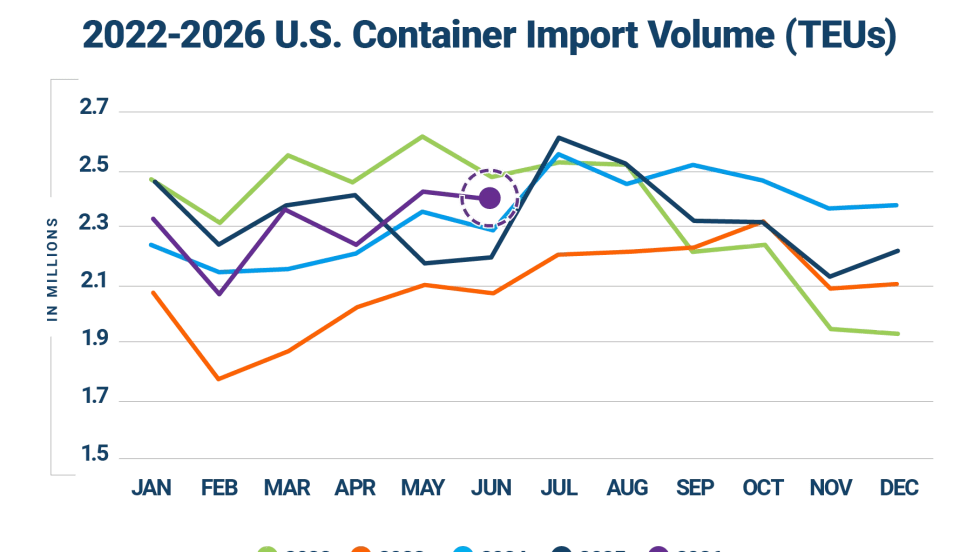
Import Cargo’s Early Peak Season is Winding Down
There was an early start to peak season this year at the nation's gateway ports, as retailers brought in merchandise ahead of tariff changes in late July and responded to other supply chain uncertainties,
Read More →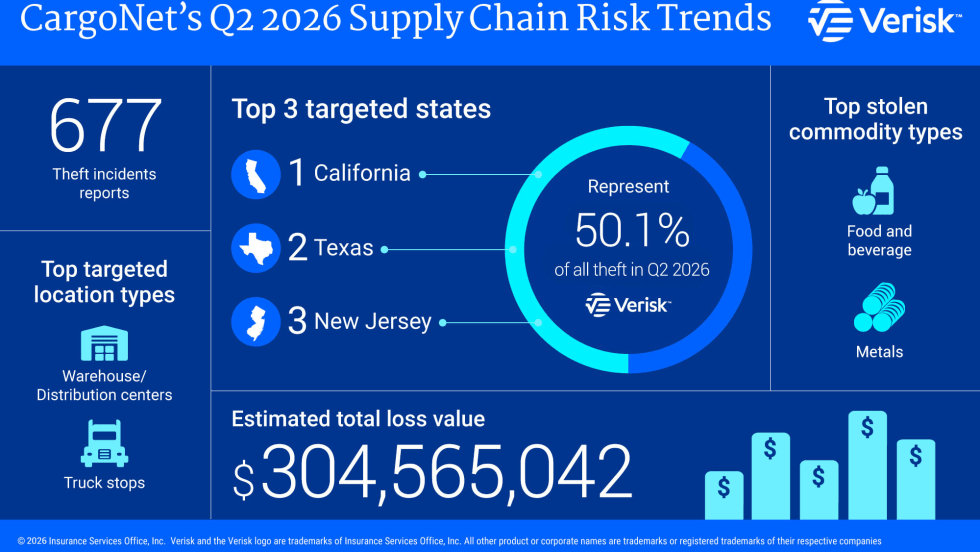
Fewer Cargo Thefts, Bigger Losses: Criminals Target Higher-Value Loads
CargoNet says organized theft rings are stealing fewer shipments but choosing more valuable freight, including metals and technology, resulting in record losses.
Read More →
How Innovative Trucking Leaders Turn Change Into an Advantage
As the pace of change accelerates in trucking, the fleets that adapt best have more than the latest technology. They have cultures that embrace improvement.
Read More →
Freight Broker Bonds Just Got Harder to Get. Here's What That Means for Your Fleet.
When it gets harder for a freight broker to prove they are financially sound, the ones who cannot clear that bar get pushed out of the market. And those are exactly the brokers who used to leave motor carriers holding the bag.
Read More →