




Feds Plan Security Visits to HazMat Carriers
Field officials of the Federal Motor Carrier Safety Administration will visit most of the nation’s hazardous materials carriers in the coming months. Their mission: to raise hazmat carriers’ consciousness of the terrorist threat
Field officials of the Federal Motor Carrier Safety Administration will visit most of the nation’s hazardous materials carriers in the coming months. Their mission: to raise hazmat carriers’ consciousness of the terrorist threat.
The visits are the top priority of the safety agency’s field staff, said spokesman David Longo. Out of some 80,000 hazmat carriers, the agency is at this point targeting some 52,000 based on the extremely hazardous nature of their cargo, Longo said.
The priority is on companies that transport bulk explosives, anhydrous ammonia, petroleum products and poisonous gases, he said.
He said the move is not in response to any specific threats or terrorist scenarios. The Department of Transportation’s Office of Security and Intelligence has warned, however, that trucking companies should be alert to signs of trouble.
“Any suspicious activity, unusual purchases, suspicious behavior by employees or customers, etc., should be reported to the local FBI field office,” the security office said in a joint announcement with the FBI.
In its visits to the carriers, agency staff will discuss personnel security, package controls, route security and technical methods of protecting cargo and personnel.
Longo said the agency is aiming to have each staffer make two visits a day. With 500 people in the field, that will add up to two and a half months – unless the agency cuts back on the number of visits, which is possible, he said.
In another development, the agency is working with the FBI to review all the Commercial Driver’s Licenses in the country that have hazmat endorsements. Federal investigators are screening licensed hazmat drivers using the government’s CDL database, in response to recent information that suspected terrorists had obtained or attempted to obtain hazmat endorsements.
More Drivers
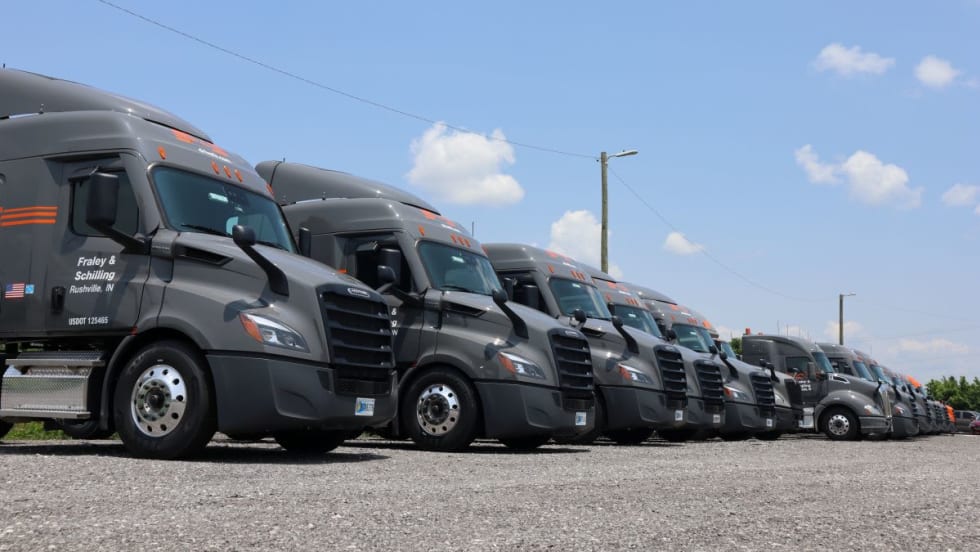
How Fraley & Schilling Improved Logbook Compliance by Over 50%
Fraley & Schilling needed a way to close a compliance workflow gap in its ELD system without adding more work from driver training, reminders, and back-office follow-ups. It found the answer in a custom driver app.
Read More →
Volvo Goes Gaming
Volvo has roared into American Truck Simulator with two new flagship trucks.
Read More →
What the Best Fleets to Drive For Teach About Driver Retention
Survey fatigue, AI-powered routing, owner-operator expectations, and the decline of social media all emerged as themes from this year's Best Fleets to Drive For program.
Read More →
Driver Retention Lessons From the Best Fleets to Drive For
What separates trucking's best workplaces from the rest? Jane Jazrawy shares the biggest lessons from this year's Best Fleets to Drive For program on driver retention, communication, AI, and workforce trends on the HDT Talks Trucking podcast.
Read More →
Farewell, CDL: Why I'm Giving Up My Commercial Driver's License
After more than 20 years as a CDL holder, HDT Executive Editor Jack Roberts is letting his commercial license expire. Not because he wants to — but because trucking's nuclear verdict crisis has made the risks of public-road test drives too great for editors, manufacturers, and everyone involved.
Read More →
How Top Trucking Fleets Improve Driver Retention [Video]
What do healthy snacks, optimized routing, and just picking up the phone have in common? They're all strategies the Best Fleets to Drive For are using to retain truck drivers.
Read More →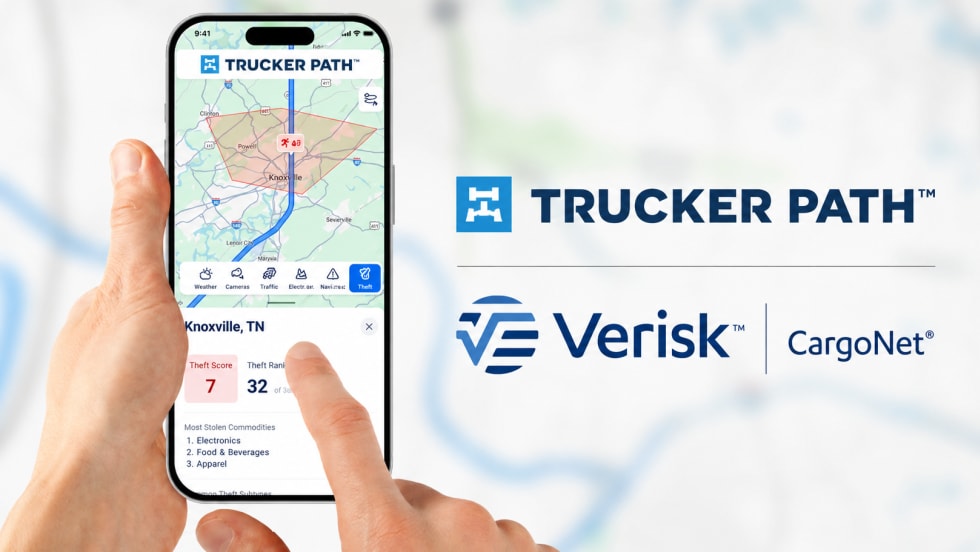
Trucker Path Adds Verisk CargoNet Theft Data to Navigation Platform
Trucker Path’s new cargo theft risk overlays give drivers and fleets visibility into high-risk areas, stolen commodity trends, and theft hotspots.
Read More →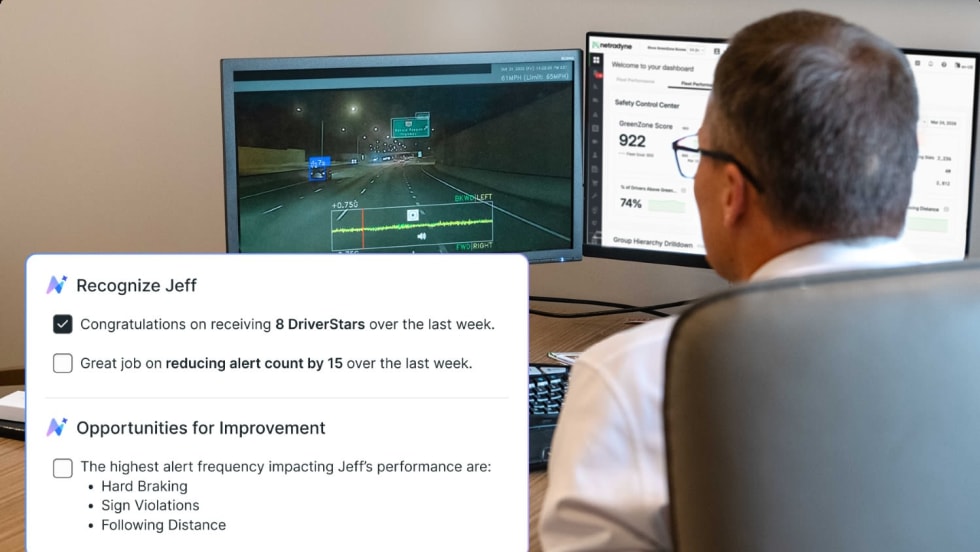
Netradyne Intelligence Uses New AI Agents to Automate Response to In-Cab Camera Data
The company called the next-generation in-cab camera safety platform "a fundamental shift from systems that report on what happened to systems that actively drive what should happen next."
Read More →
Why Truck Detention Keeps Costing Fleets Time and Money
A 2024 ATRI study found detention affects nearly 40% of truckload stops and costs the industry more than $15 billion annually. Despite the toll on drivers, fleets, and supply chains, the problem remains stubbornly persistent.
Read More →
Prime Inc. to Open $7.9M Flagship Used-Truck Dealership
A new driver-focused facility to sell Prime Inc's used trucks and trailers will be the first purpose-built location in the company's history.
Read More →