




Feds Help Build Super-Efficient Truck
Over the past 20 years, truck builders have labored mightily and with great success to make trucks more fuel efficient, safe and environmentally friendly. But the gains they have made are puny compared to what is to come, if an ambitious government program is successful
Over the past 20 years, truck builders have labored mightily and with great success to make trucks more fuel efficient, safe and environmentally friendly. But the gains they have made are puny compared to what is to come, if an ambitious government program is successful.
While engineers and designers fight for tenths of a mile per gallon, a group of government agencies and contractors say it’s possible to double fuel mileage, with corresponding improvements in emissions and performance, in the not too distant future.
They are looking at a variety of technologies, from aerodynamic improvements to a hybrid diesel-electric power plant and, eventually, hydrogen fuel cells, to make these gains in some kinds of trucking operations.
The 21st Century Truck Initiative, as the program is called, brings together the technology efforts of several large government bureaucracies that had been pursuing their own agendas without much coordination.
Under the leadership of the National Automotive Center, which is the U.S. Army’s vehicle research organization, truck research and development by the Environmental Protection Agency and the Departments of Transportation, Energy and Defense is being focused on a unified goal.
President Clinton is reported to be sizing up the program for top-drawer political treatment. Official introduction of the program may come in Clinton’s State of the Union Address in January, according to an article in the National Journal.
Under the program, a prototype hybrid truck is being built by Volvo Trucks North America and Lockheed Martin Control Systems. Lockheed is installing a hybrid drive on a Volvo VNL64 for delivery to the Army’s Tank-Automotive and Armaments Command this month.
Fuel economy is expected to be “significantly better,” and emissions will be 50% better than a pure diesel truck, Lockheed said. Other advantages: no transmission and clutch to maintain; the engine will need less maintenance; and the electric motor can be used to help stop the truck, reducing brake wear and generating more electricity for storage in the batteries.
The vehicle will comply with the performance parameters of the Army's M915 line haul vehicle. Improvements will include greater acceleration and shift-free power from standstill to top speed.
The truck is scheduled to be on display at the Mid-America Trucking Show next spring.
It will be more expensive than its ordinary counterpart, mainly due to the electric generator and batteries. It also will weigh more, which will limit its applications. But the aim is to build a truck that will break even on cost within 24 months.
More Drivers

Putting Mack’s Command Steer to the Test
A test drive of Mack’s Command Steer active steering system evaluates how it can make truck driving easier and less tiring.
Read More →
Competition Heating Up for Truck Drivers
New report reveals rising driver hiring costs, the return of sign-on bonuses, growing AI advantages, and the operational factors shaping driver retention.
Read More →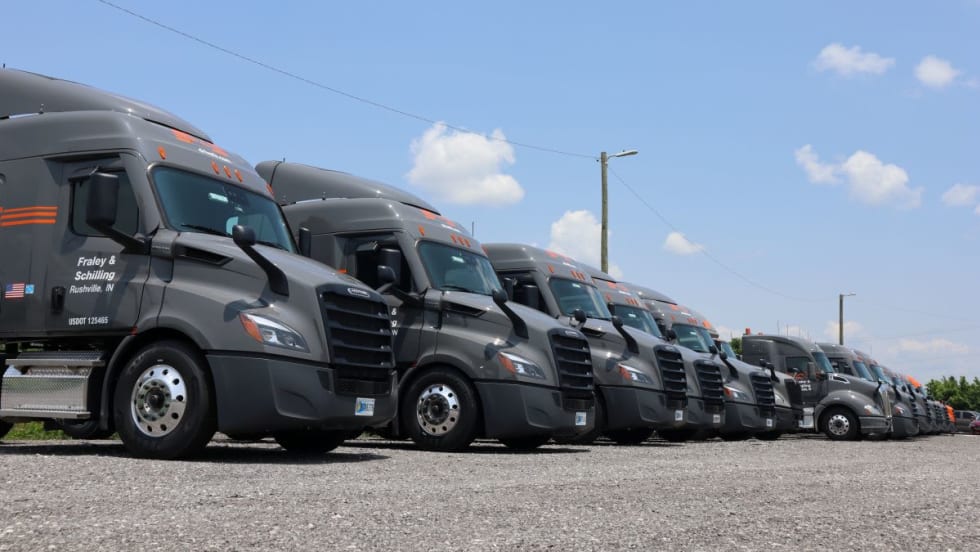
How Fraley & Schilling Improved Logbook Compliance by Over 50%
Fraley & Schilling needed a way to close a compliance workflow gap in its ELD system without adding more work from driver training, reminders, and back-office follow-ups. It found the answer in a custom driver app.
Read More →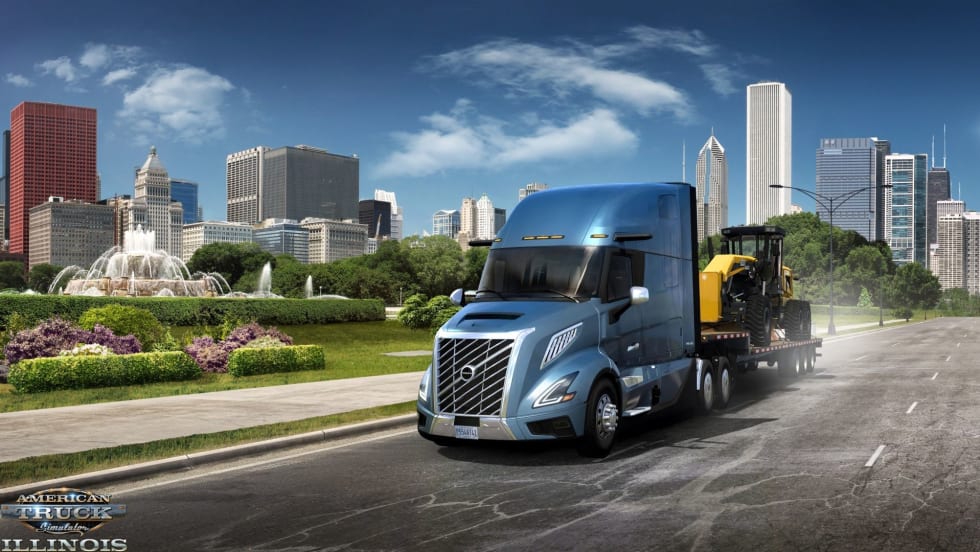
Volvo Goes Gaming
Volvo has roared into American Truck Simulator with two new flagship trucks.
Read More →
What the Best Fleets to Drive For Teach About Driver Retention
Survey fatigue, AI-powered routing, owner-operator expectations, and the decline of social media all emerged as themes from this year's Best Fleets to Drive For program.
Read More →
Driver Retention Lessons From the Best Fleets to Drive For
What separates trucking's best workplaces from the rest? Jane Jazrawy shares the biggest lessons from this year's Best Fleets to Drive For program on driver retention, communication, AI, and workforce trends on the HDT Talks Trucking podcast.
Read More →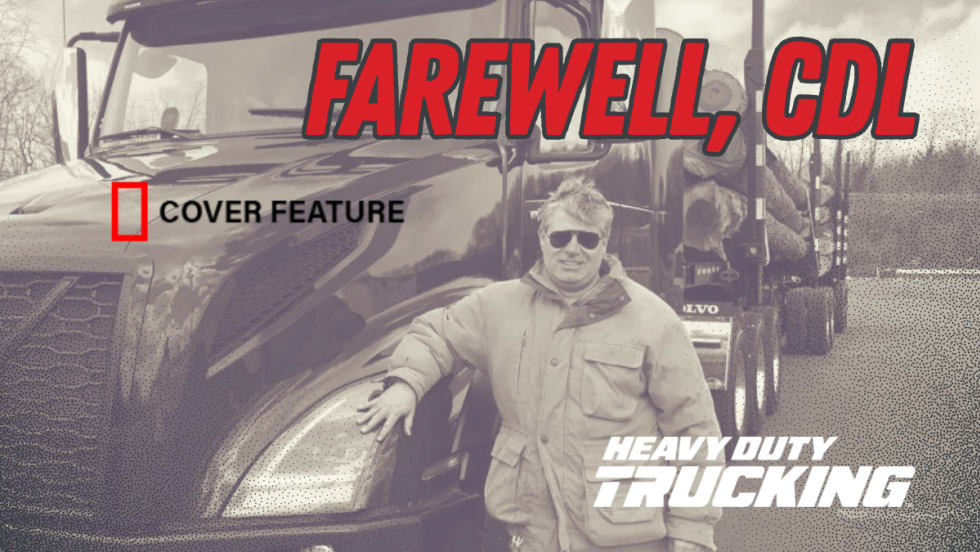
Farewell, CDL: Why I'm Giving Up My Commercial Driver's License
After more than 20 years as a CDL holder, HDT Executive Editor Jack Roberts is letting his commercial license expire. Not because he wants to — but because trucking's nuclear verdict crisis has made the risks of public-road test drives too great for editors, manufacturers, and everyone involved.
Read More →
How Top Trucking Fleets Improve Driver Retention [Video]
What do healthy snacks, optimized routing, and just picking up the phone have in common? They're all strategies the Best Fleets to Drive For are using to retain truck drivers.
Read More →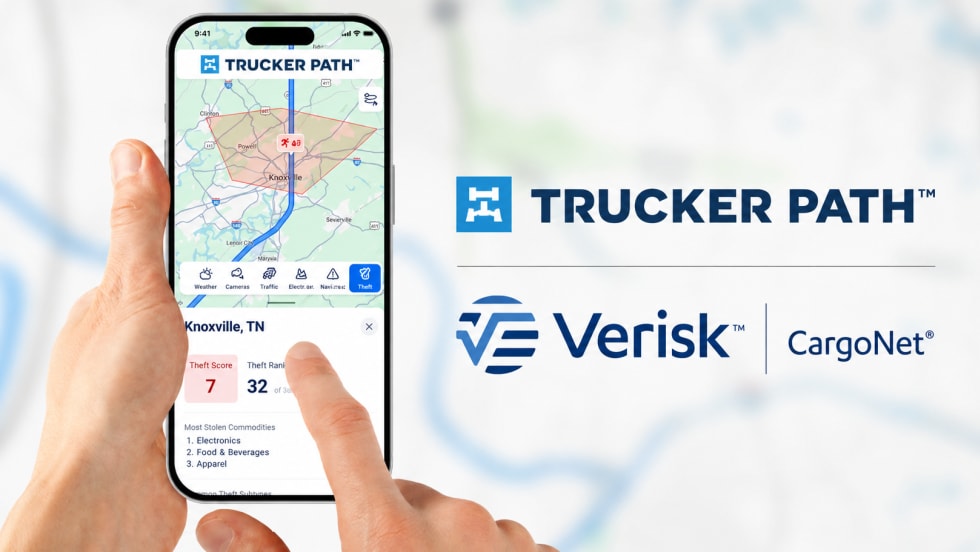
Trucker Path Adds Verisk CargoNet Theft Data to Navigation Platform
Trucker Path’s new cargo theft risk overlays give drivers and fleets visibility into high-risk areas, stolen commodity trends, and theft hotspots.
Read More →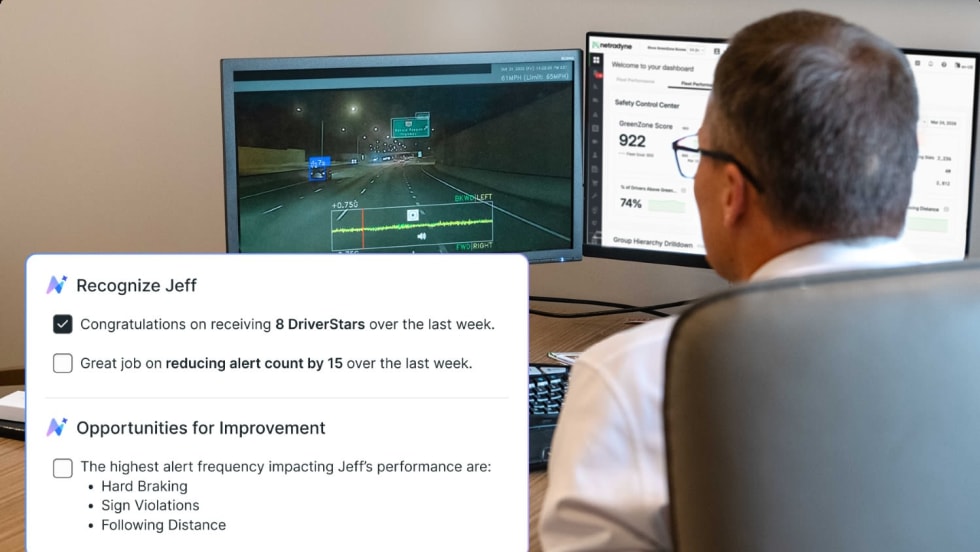
Netradyne Intelligence Uses New AI Agents to Automate Response to In-Cab Camera Data
The company called the next-generation in-cab camera safety platform "a fundamental shift from systems that report on what happened to systems that actively drive what should happen next."
Read More →