




Federal Truck-Lockup Plan Assailed by Shippers
The federal government is planning to adopt a rule requiring the locking of all trucks on the road,
The federal government is planning to adopt a rule requiring the locking of all trucks on the road,
according to the Daily Press in Newport News, Va.
The Transportation Security Administration said it wanted the rule because it was worried about terrorists secretly accessing unlocked trucks to hide remote-controlled bombs or other weapons aimed at cities or strategically sensitive locations.
"Every truck that's on the road in the United States should be kept locked, and I'm steadfast in my commitment to getting that to happen," said George Rodriguez, director of cargo security for the maritime- and land-security division of the TSA.
The agency was created to protect the nation's transportation system after the Sept. 11, 2001, terrorist attacks.
Federal officials said that currently, only 20% to 30% of truck trailers and cargo areas were locked consistently.
Under the proposed change, trucking and shipping companies would be required to install locks on their trailers and storage areas. They would have to use them on federal, state and local roads. Drivers and trucking companies would be ticketed and face federal fines for not having or using the locks, Rodriguez said Thursday. He spoke at a cargo-security conference at Georgetown University in Washington.
But the idea, which could become official by the end of next year, is meeting resistance from some trucking and shipping companies. Companies that have to make frequent daily stops say the required locks would hurt their productivity.
"That would kill us," said Richard Goodridge, a senior business analyst with United Parcel Service. "If a driver has to lock the truck every time he goes into a building, and if a cop will give you a ticket if he pulls up and finds the door unlocked I don't agree with that. That's overkill."
Drivers would be allowed to unlock the trucks to retrieve and pick up items. But they would have to keep them locked most other times including when the truck is moving and when the driver walks away to make deliveries, Rodriguez said.
The new lock requirement would apply to tractor-trailers, FedEx and UPS delivery trucks, and even trucks rented by people to move their furniture and other items. "All trucks," Rodriguez reiterated. Vans, pickup trucks and other ordinary passenger vehicles, however, wouldn't be included.
Goodridge said he didn't think requiring locks on trucks should be something that the government should regulate. UPS has locks on its brown delivery trucks now, but it's up to the company and the driver to decide whether to use them.
"If he stops at a mom-and-pop corner store, he doesn't always lock it," Goodridge said. "If he's in part of some city somewhere where the risks are high and has to be away from the truck for a while, sure, he locks his truck. The company assumes the risk, and that's the way it should be."
Goodridge said locks on the backs of trucks would prevent thieves but wouldn't do anything to stop terrorists hell-bent on carrying out a coordinated plan of attack.
"If a terrorist wants to get access to one of our trailers or trucks, a padlock isn't going to stop them," he said. "They're going to try to find a way to get inside the company, to come work for us, and get access to it another way."
Some companies might object to the cost of buying locks, but Goodridge said, that wasn't the prime concern at UPS. Most of the company's trucks have locks built in, and the company would be able to absorb the cost, anyway.
Rodriguez said the locks could be purchased for as little as $2 apiece.
He said that's what the locks cost when he was director of security for Yellow Corp., a Kansas-based trucking company.
But trucking-security experts said a good lock could cost up to $30.
One former security director for a Northeast regional trucking company said he paid $23 apiece for a decent set of 225 locks a few years ago.
For the next six months or so, Rodriguez said, the Transportation Security Administration will be talking about the proposed rule internally, as well as with shipping and trucking companies.
They'll come up with the actual wording on the regulation in mid-2003.
That will be followed by a period for public comment before it can go into effect.
But ultimately, Rodriguez predicted, it will soon be part of the TSA's security system.
He said, "The streets will be safer if we lock them."
More Drivers
How Top Trucking Fleets Improve Driver Retention [Video]
What do healthy snacks, optimized routing, and just picking up the phone have in common? They're all strategies the Best Fleets to Drive For are using to retain truck drivers.
Read More →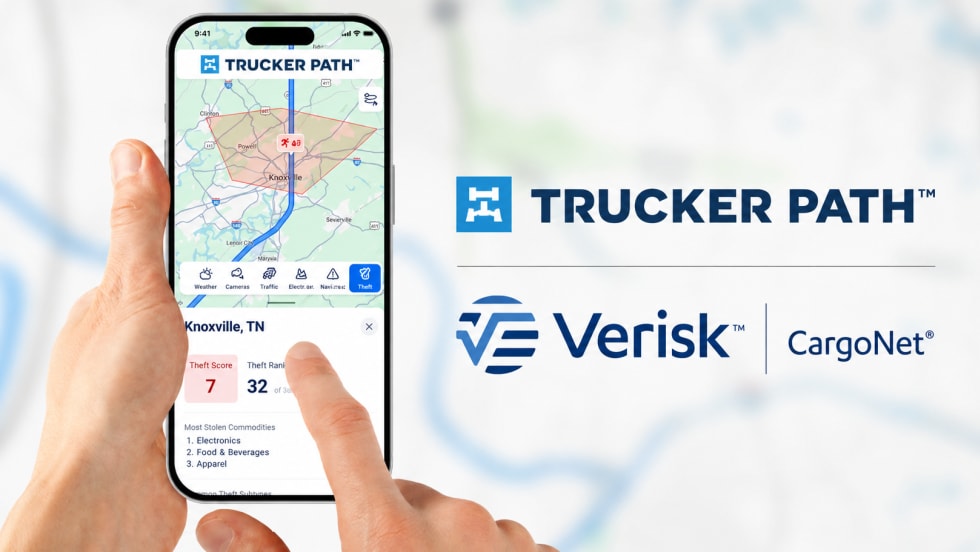
Trucker Path Adds Verisk CargoNet Theft Data to Navigation Platform
Trucker Path’s new cargo theft risk overlays give drivers and fleets visibility into high-risk areas, stolen commodity trends, and theft hotspots.
Read More →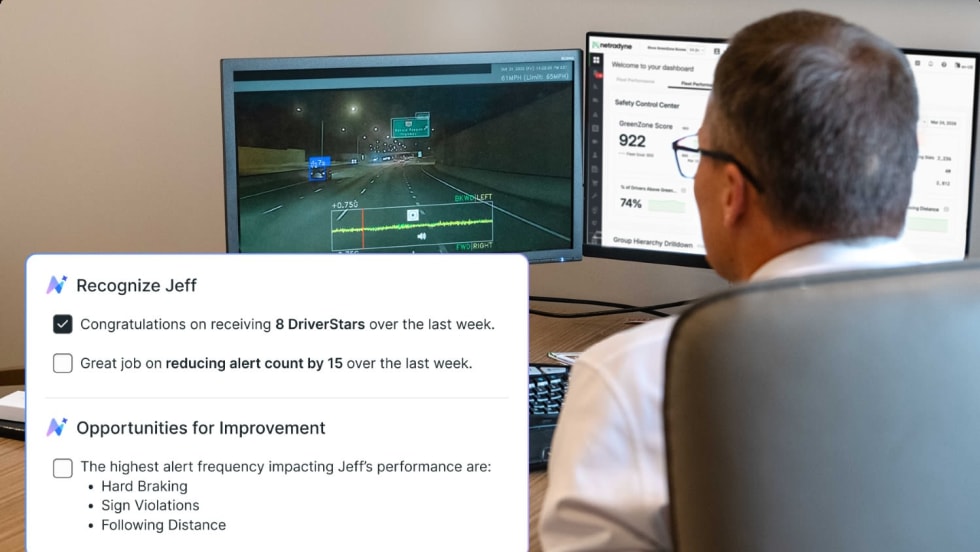
Netradyne Intelligence Uses New AI Agents to Automate Response to In-Cab Camera Data
The company called the next-generation in-cab camera safety platform "a fundamental shift from systems that report on what happened to systems that actively drive what should happen next."
Read More →
Why Truck Detention Keeps Costing Fleets Time and Money
A 2024 ATRI study found detention affects nearly 40% of truckload stops and costs the industry more than $15 billion annually. Despite the toll on drivers, fleets, and supply chains, the problem remains stubbornly persistent.
Read More →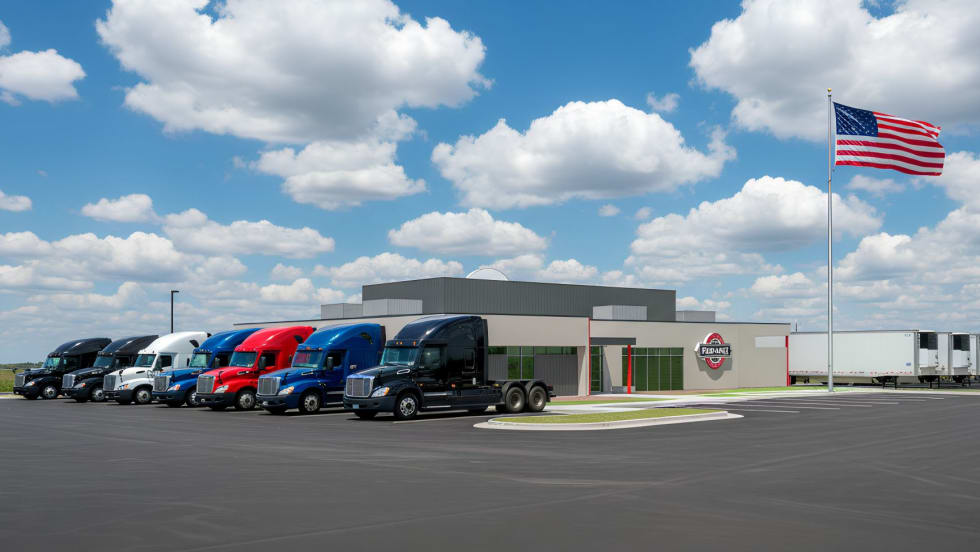
Prime Inc. to Open $7.9M Flagship Used-Truck Dealership
A new driver-focused facility to sell Prime Inc's used trucks and trailers will be the first purpose-built location in the company's history.
Read More →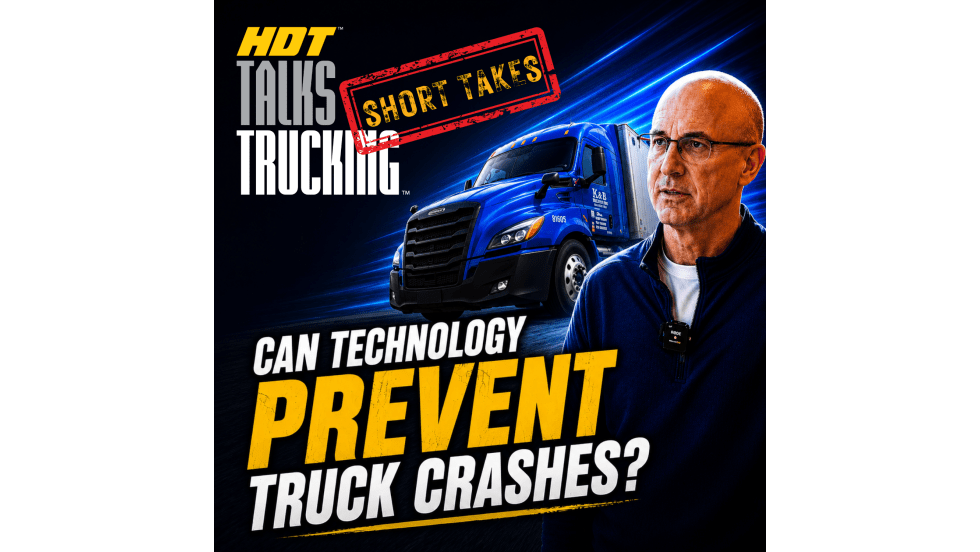
Short Takes: Inside K&B’s Truck Safety Tech
Listen to learn how K&B Transportation uses cellphone-blocking technology, speed management systems, weather geofencing, bridge avoidance tools, and more to improve driver safety.
Read More →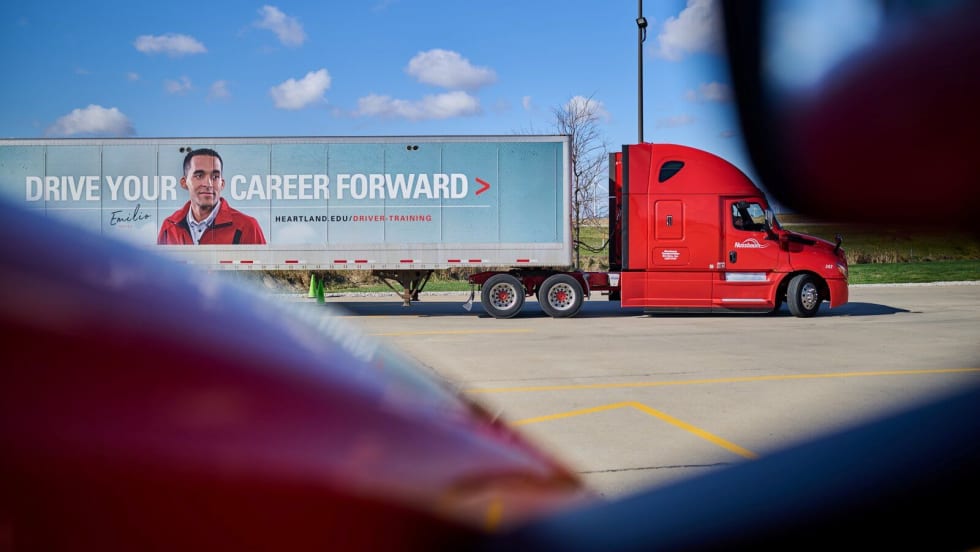
Nussbaum Expands Driver Compensation with Pay Raises, Profit Sharing
Nussbaum Transportation said its latest compensation package could push first-year driver earnings above $90,000 in key hiring markets.
Read More →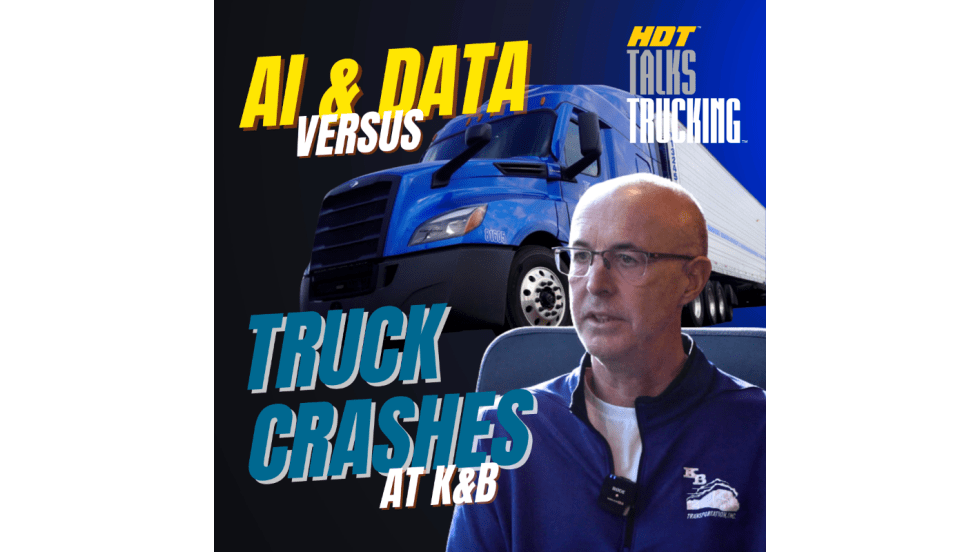
Listen: Inside Modern Fleet Safety: AI, Cameras & Speed Control at K&B Transportation
Fleet safety is evolving fast—and technology is at the center of it. Learn how a former commercial vehicle enforcement officer turned director of safety at K&B Transportation is embracing real-world safety technology.
Read More →
Maverick Announces 2026 Driver Pay Raises
New raises for Maverick Transportation drivers will take effect on May 31, 2026.
Read More →
Illinois Trucker Indicted for Nearly $22,000 in Ohio Turnpike Toll Evasion
Authorities say an Illinois trucker avoided paying tolls for two years, and now faces felony charges, possible prison time, and forfeiture of his Freightliner tractor.
Read More →