




Event Looks for Ways to Drive Trucking Efficiency Forward
Finding ways to transform an industry described as disconnected, entangled, costly, entrenched, and conservative was the challenge of 40 experts gathered at Rocky Mountain Institute's April 14-16 Transformational Trucking Charrette in Denver
Finding ways to transform an industry described as disconnected, entangled, costly, entrenched, and conservative was the challenge of 40 experts gathered at Rocky Mountain Institute's April 14-16 Transformational Trucking Charrette in Denver.
The goal of the charrette -- as well as the initiatives, research, and conversations that will follow it -- was to double (at least) the efficiency of the sector, both in terms of gallons of fuel used and the time and resources trucking gobbles up to deliver everything from Barbies to tomatoes.
While Hiroko Kawai, leader of RMI's trucking research and initiatives, observed that "no one solution can transform this industry," she also noted that incremental efforts to change probably wouldn't be good enough.
"Tinkering around the edges did not put iPods in your pockets," she said. "This charrette is a forum to create a voice for the trucking sector-a 'revolt,' if you will, a way of waking the sleeping giant-because many of the issues that apply to trucking also apply to other sectors, industries, and technologies."
The U.S. trucking industry operates on profit margins of 1-2 percent. Many loads are hauled by independent owner-operators who are hard-pressed for capital and thus have nearly no opportunity to upgrade their equipment (indeed, many take loads at a loss, simply to get their trucks into position for a profitable run. Standards, information, testing, regulations, and numerous other problems have buried the industry in an efficiency grave. Some 2,500 owner-operators went out of business last year, and looming emissions regulations could further hobble the industry.
After two and a half days of intense discussion, collaboration, and argument, the charrette ultimately converged on the intersection of technology, information, and policy. Within the trucking industry, these three areas (offering massive challenges in and of themselves) are at odds with one another, and addressing their misalignments has become the starting point for transformational change.
Two major initiatives emerged at the charrette, the first centered on creating a organization for unifying industry and government stakeholders to accelerate the doubling of freight efficiency while creating jobs in new energy research areas and businesses.
The initial goal of the project is to convince policy makers that we need a "National Freight Strategy." Currently, there's a lot of energy in DC about breaking down barriers and creating strategic approaches. Freight deserves its share of that action.
A review of the existing literature (such as National Academy of Sciences literature) and efforts (e.g., the 21st Century Truck project) would help initiative proponents understand and compile what knowledge exists, and be the first step in giving policy makers a database on which to depend while they're writing a National Strategy. The initiative would also include the creation of an independent blue-ribbon panel committed (for the public good) to informing the various aspects of the project moving forward, as well as industry players who can show the government how to move forward on policy. The initiative would be not just about known efficiencies in the trucking sector but about known and potential efficiencies across the entire freight sector.
The second initiative, centered on "credible, quantified information on truck technology," as RMI's Mike Simpson put it, could be an effort to establish something like the U.S. Green Building Council's LEED system (Leadership in Energy and Environmental Design) for green buildings -- except in this case, for trucks. Those working on this initiative envisioned a world where customers have a place to go to compare and evaluate technology investments. An established non-profit council would be used to cultivate a trustworthy brand and venue to deliver performance specifications and assessment ratings.
A "U.S. Green Trucking Council," modeled after the USGBC, was also suggested. It could maintain publicly accessible databases of technology evaluations (both off the shelf and in the lab). Outputs of the group include conferences, papers, certification protocols and documented procedures to guide technology investment and application.
"These sound like lofty goals-or perhaps, more correctly, daunting challenges-but RMI's MOVE Team members actually outlined concrete steps to achieve the goals of the charrette. Certain legislators' names were mentioned, as were dozens of high-ranking folks in the freight and policy sectors.
"This was a very active discussion about how trucking has been ignored in the recent stimulus debate, and how trucking's demands on infrastructure have to be considered just as carefully as the other infrastructure improvements that the federal government is encouraging," Hiroko noted. "Carrying more of what we want with least impact on the earth (or with the least use of oil), with higher profitability is what we're ultimately after."
More Aftermarket
What Three Fleets Are Doing Differently When Buying Truck Parts in 2026
With freight improving but costs still climbing, fleet maintenance executives explain how they're balancing price, quality, and supplier relationships.
Read More →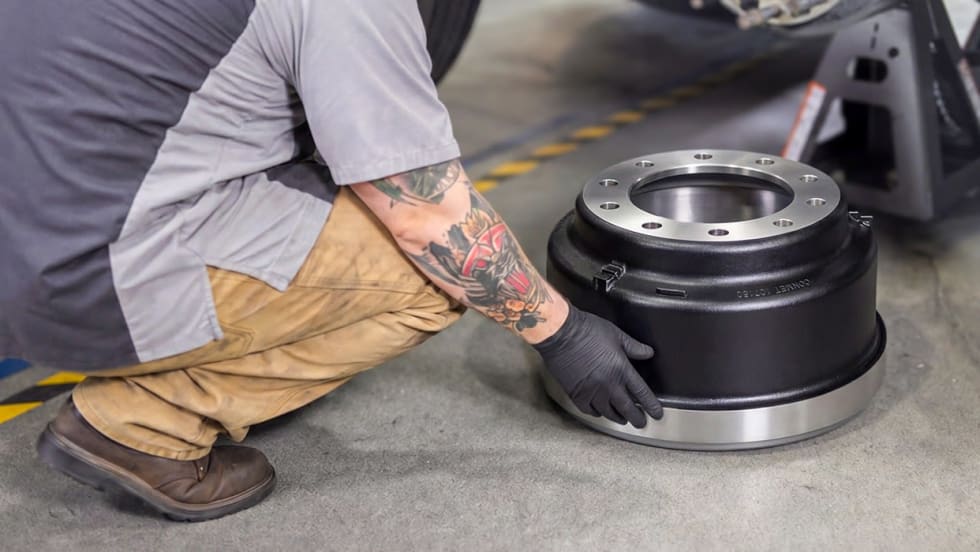
ConMet Expands Aftermarket Brake Drum Lineup With TruCast
A new heavy-duty truck brake drum option in the aftermarket gives customers more flexibility within the ConMet product family.
Read More →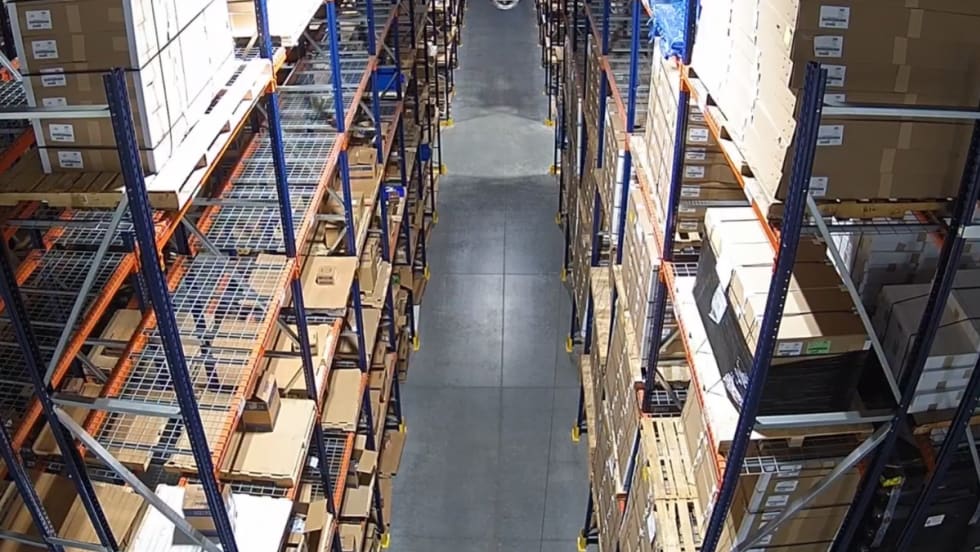
Phillips Opens High-Tech Distribution Center for Faster Parts Delivery
Phillips Industries’ new Cincinnati-area distribution center is now shipping aftermarket trucking parts nationwide, aiming to speed up delivery times for customers.
Read More →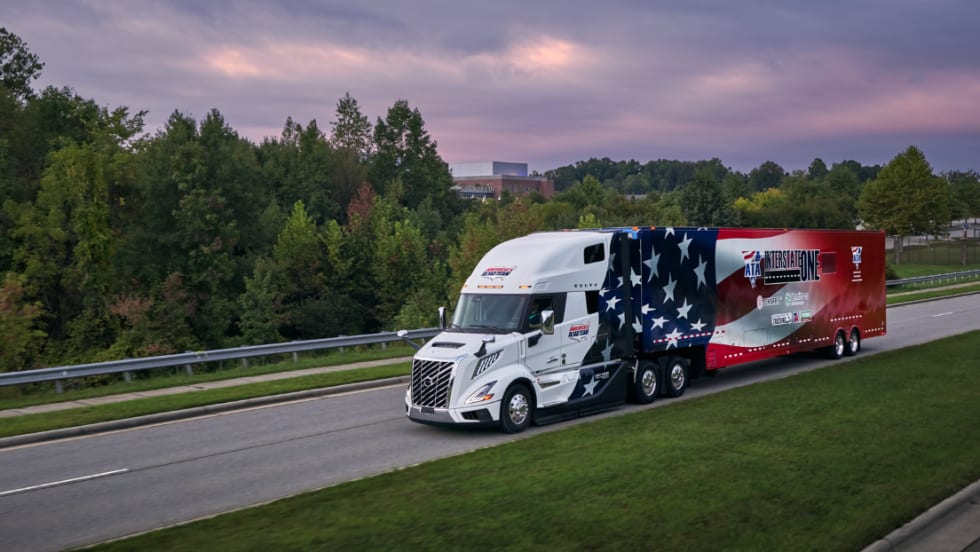
Volvo to Sponsor America’s Road Team for 2025
Volvo Trucks announced that it is extending its exclusive sponsorship of America’s Road Team for 2025.
Read More →
Webb to Start Taking Orders for UltraSet Pre-Adjusted Wheel Hubs
Webb, which recently acquired the Stemco Trifecta pre-adjusted hub program, will soon start taking orders for its replacement pre-assembled hub, the UltraSet.
Read More →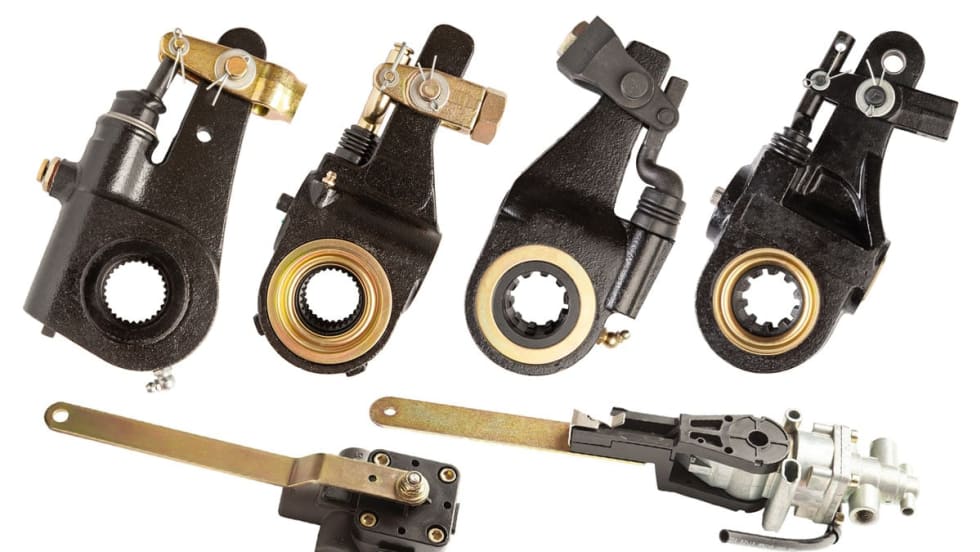
All-Makes Automatic Brake Adjusters, Ride Height Control Valves from Midland
SAF-Holland has added automatic brake adjusters and ride height control valves to its Midland All-Makes Program.
Read More →
ZF Aftermarket Expands [pro]Academy Training
ZF Aftermarket said it is expanding its ZF [pro]Academy training and will be adding 40 new modules this year.
Read More →
Eaton Adds Remanufactured Advantage Line of Clutches
Eaton has added its Advantage clutches to its remanufactured product line. The clutches feature a unique strap drive intermediate plate designed to allow customers to choose the latest OE specification
Read More →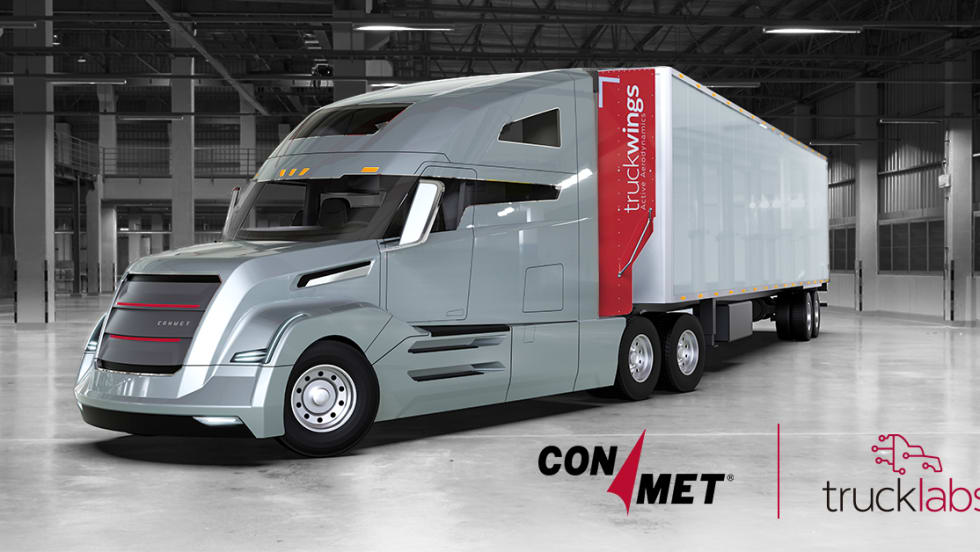
ConMet Acquires TruckLabs, the Creator of TruckWings
Commercial truck and trailer parts provider ConMet acquired TruckLabs, the company that created TruckWings, an aerodynamic device that attaches to truck cabs and deploys to close the gap between truck and trailer. TruckLabs now operates as a subsidiary of ConMet.
Read More →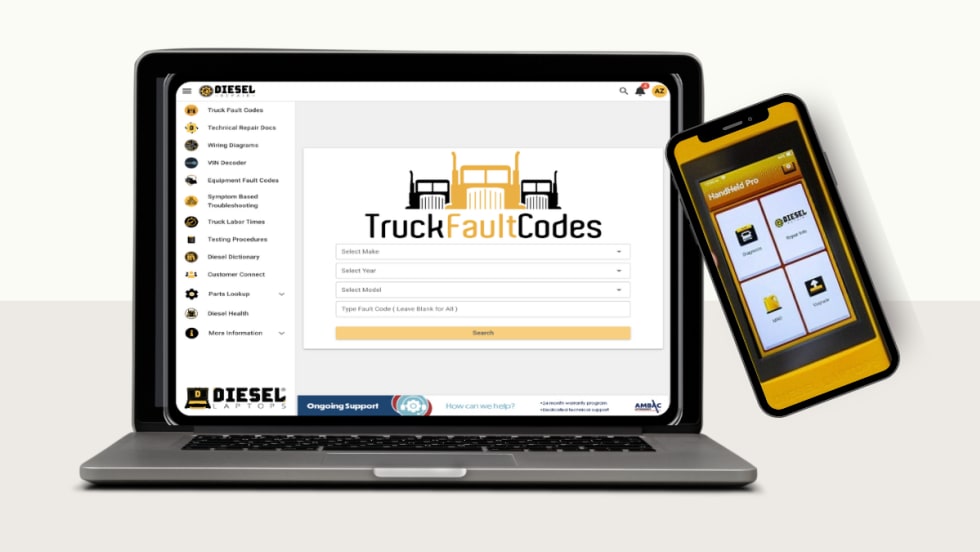
Diesel Laptops Releases Fault-Code-to-Part-Number Tool
Diesel Laptops said its Truck Fault Codes allows users to input a fault code and immediately identify and order the parts needed to complete repair work.
Read More →