




EPA Targets Gasoline Emissions, Fuel Quality
The Environmental Protection Agency is proposing new emission standards for cars and light trucks, and lower sulfur content in gasoline. The Tier 3 standards, as they are called, would be phased in starting 2017. They would cover cars, light-duty trucks, medium-duty passenger vehicles and some heavy-duty vehicles.



The Environmental Protection Agency is proposing new emission standards for cars and light trucks, and lower sulfur content in gasoline.
The Tier 3 standards, as they are called, would be phased in starting 2017. They would cover cars, light-duty trucks, medium-duty passenger vehicles and some heavy-duty vehicles.
EPA aims to cut non-methane gases and nitrogen oxides as well as particulate matter in order to reduce the harmful effects of pollution.
It says that by 2030 the standards would prevent between 820 and 2,400 premature deaths per year, among other benefits. The annual savings would be between $8 billion and $23 billion, the agency says.
The agency’s estimate of the cost is about a penny per gallon of gasoline.
Petroleum suppliers say the cost will be considerably higher. The rule will increase refiner’s costs and raise the price of fuel by as much as 9 cents per gallon, said Bob Greco, Downstream Group Director of the American Petroleum Institute in a statement.
He also said the rule will have little or no environmental benefit.
Trucking interests do not expect the rule to have much affect on the industry.
“We don’t see the Tier 3 Rule as having a big impact on our fleet operations but it may possibly result in a slight increase in fuel costs for those light-duty trucks that consume gasoline,” said Glenn Kedzie, vice president and energy & environmental affairs counsel at American Trucking Associations in an email.
Trucking used almost 15 billion gallons of gasoline in 2012, he said. That’s less than half the annual amount of diesel burned by trucks, according to several sources.
ATA supports cleaner fuels, Kedzie added.
“ATA is on record calling out for all fuels to be cleaned up to help improve the nation’s air quality,” he said. “Cleaner air benefits all entities regulated, including stationary and mobile sources.”
Trucking already has been through the process of taking sulfur out of diesel fuel. Through a multi-year effort, refiners reduced sulfur content to the EPA-required level of 15 parts per million in 2010, although in reality it’s closer to 3 – 5 ppm, Kedzie said.
“Trucking survived the transition to clean diesel and those vehicles that will be impacted by the Tier 3 Rule will transition as well,” he said.
EPA’s proposal will bring national gasoline standards to the same level as those in California.
More Fleet Management

Public Wi-Fi Cybersecurity Risks: How Truck Drivers and Fleets Can Protect Their Data
Public Wi-Fi can expose truck drivers and fleets to credential theft, malware, and other cyber threats. Here’s how to reduce the risk on the road.
Read More →
For Nicky Cupp, Fleet Innovation Starts With Frustration
HDT Truck Fleet Innovator Nicky Cupp turns everyday pain points at Fraley & Schilling into opportunities for better technology and smarter processes.
Read More →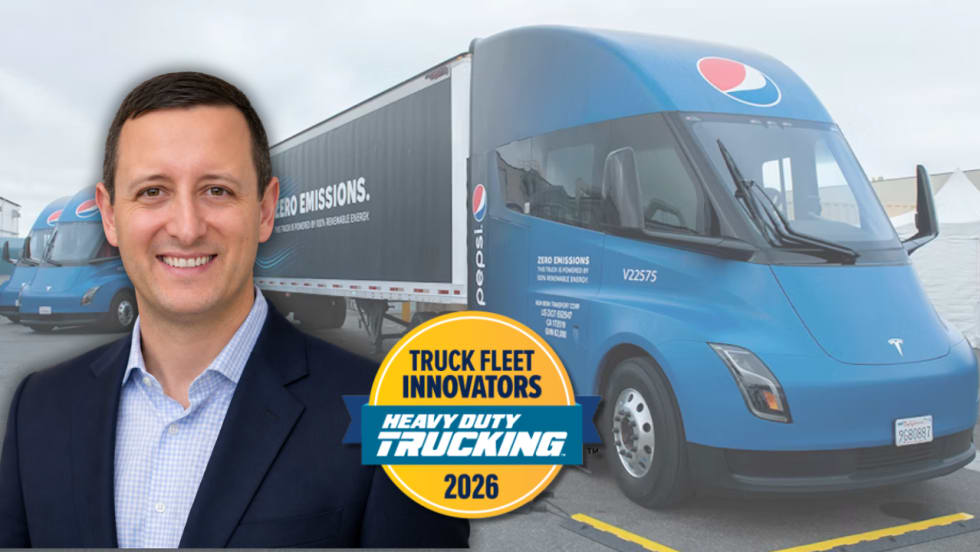
Adam Buttgenbach’s Approach to Electric Trucks: Start With Where They Fit
HDT Truck Fleet Innovator Adam Buttgenbach helped PepsiCo build one of North America’s largest EV fleets by focusing on where electric trucks make operational sense.
Read More →
Deen Albert: Let Automation Do the Math, People Make the Decisions
HDT Truck Fleet Innovator Deen Albert makes sure people are still at the heart of operations at Grand Island Express, even while adopting artificial intelligence tools. AI-assisted dispatch helped boost revenue 25% with the same number of trucks.
Read More →
Trimble’s New AI Agent Takes Aim at Fleet Back-Office Busywork
Arc Agent works across Trimble TMS products to automate repetitive tasks such as freight orders, maintenance, invoices, fuel costs and more.
Read More →
How HDT’s 2026 Truck Fleet Innovators Are Rethinking Fleet Operations
Meet five trucking leaders who are challenging assumptions, solving operational problems, and putting innovative ideas to work.
Read More →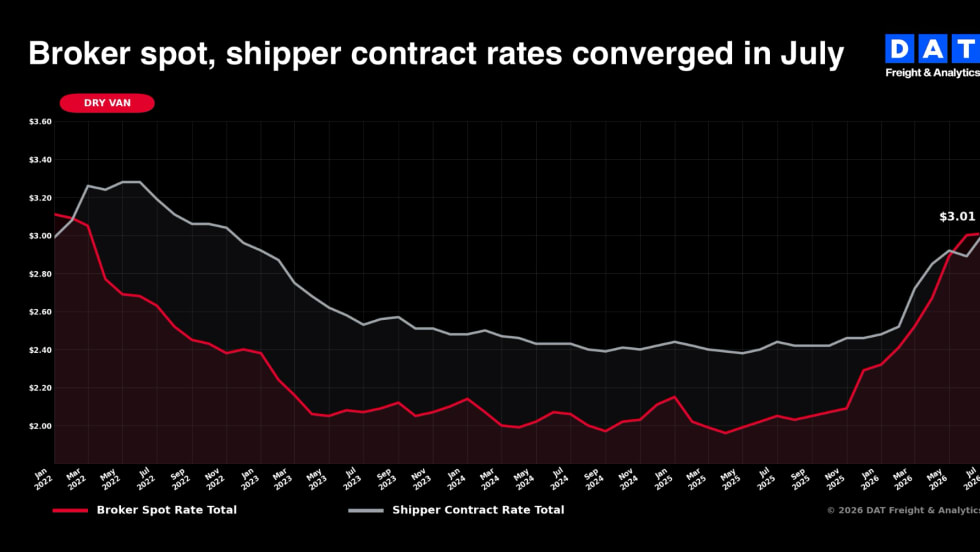
Tight Trucking Capacity Pushes Rates Higher Even as Freight Volumes Fall
“Spot rates moving ahead of contract rates have historically signaled a tightening market, but we haven’t seen a capacity-driven market quite like this one,” said DAT's Dean Croke.
Read More →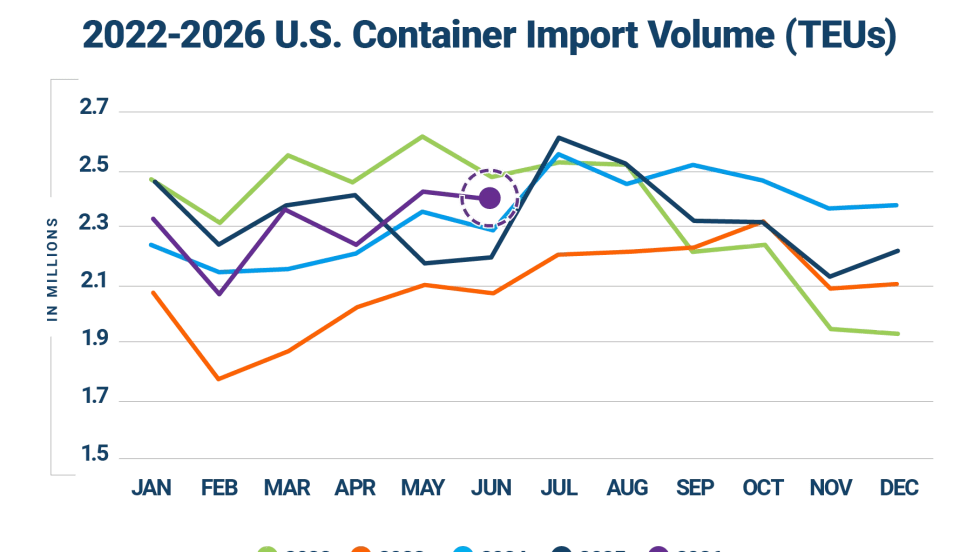
Import Cargo’s Early Peak Season is Winding Down
There was an early start to peak season this year at the nation's gateway ports, as retailers brought in merchandise ahead of tariff changes in late July and responded to other supply chain uncertainties,
Read More →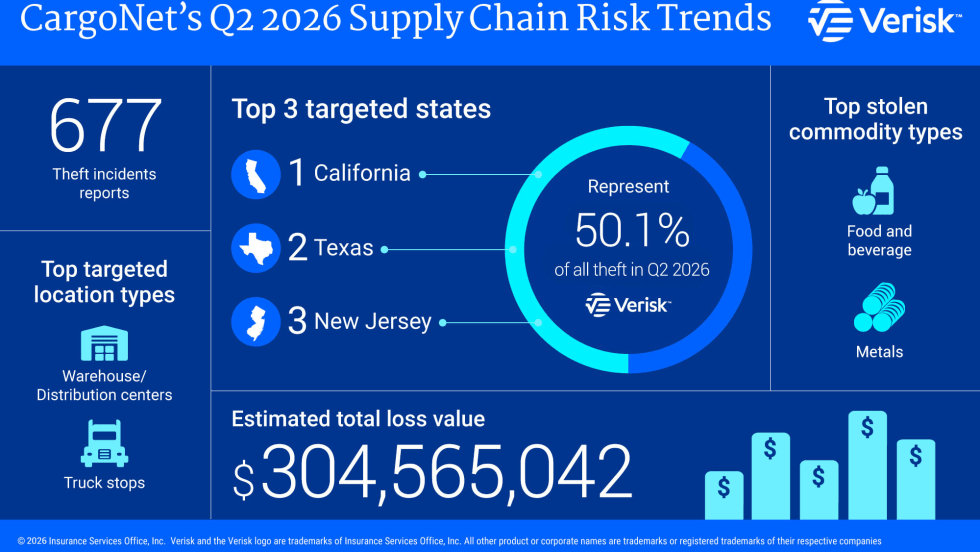
Fewer Cargo Thefts, Bigger Losses: Criminals Target Higher-Value Loads
CargoNet says organized theft rings are stealing fewer shipments but choosing more valuable freight, including metals and technology, resulting in record losses.
Read More →
How Innovative Trucking Leaders Turn Change Into an Advantage
As the pace of change accelerates in trucking, the fleets that adapt best have more than the latest technology. They have cultures that embrace improvement.
Read More →