




Engine Makers Ask For Delay In EPA Rulemaking
The Engine Manufacturers Assn. has asked the U.S. Environmental Protection Agency for a 60-day extension in its final rulemaking on 2004 emissions regulations
The Engine Manufacturers Assn. has asked the U.S. Environmental Protection Agency for a 60-day extension in its final rulemaking on 2004 emissions regulations.
The EMA says the EPA's proposal, issued last month, violates a joint Statement of Principles signed in 1995 by the EPA, the California Air Resources Board and leading engine manufacturers. "EPA is undermining that agreement by making massive changes to the 2004 rule and demanding an insufficient response time," said Jed Mandel, EMA counsel.
The EPA issued its proposed rules in a hearing Nov. 2, with a 30-day public comments period to follow. The agency is scheduled to issue a final rule by the end of the year.
One of the provisions of the Statement of Principles called for the EPA to review the technical and economic feasibility of the 2004 standards in 1999. EMA says not only has the agency proposed numerous new and complex changes, but it also has proposed those changes at the very end of the intended window of opportunity for conducting the 1999 review. A timely review in 1999 was built into the Statement of Principles so that the engine manufacturers would have no less than four full model years of lead time.
While the EPA has not changed the numerical emissions standards, they have made those standards more stringent, said EMA Executive Director Glenn Keller. "They're proposing that the manufacturers should be required to meet these limits at all types of temperatures, humidities, load factors, and points of how these engines are operated," Keller told Newport editors. "We're concerned about the altitude at Denver vs. the lows of the plains and being able to meet all these stringent requirements, from a cold start in Minnesota to driving through the Mohave desert. What, and if, EPA does to check engine manufacturers on this they're not saying."
Manufacturers are especially concerned in light of the consent decree signed last year between major engine manufacturers and the federal government. That decree arose from EPA allegations that the engine manufacturers had designed engines to work differently at highway speeds than in the in-city driving simulated by emissions testing. It appears the EPA is trying to make sure that no such loopholes exist in future regulations.
In addition, the standards also require substantially improved fuel sulfur levels. EPA has proposed to reduce sulfur from gasoline, but it has yet to propose any reductions of sulfur levels in diesel fuel, according to the association.
"Engine manufacturers and others are investing multi millions of dollars in developing emission reduction technologies that have the potential to reduce emissions from conventional fueled engines to levels so low as to have been unthinkable in years past," Mandel said. "But, as EPA also knows, those technologies require the removal of sulfur from both diesel and gasoline."
More Aftermarket
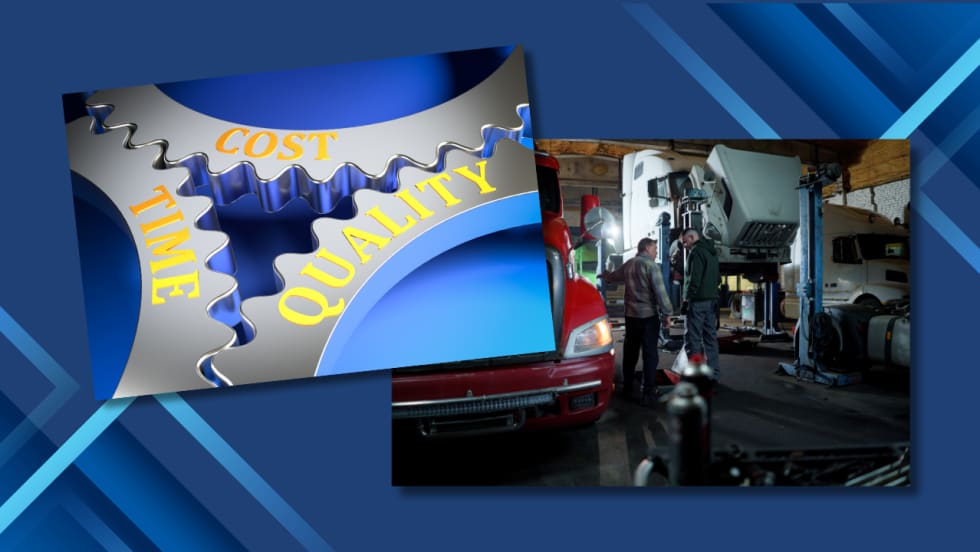
What Three Fleets Are Doing Differently When Buying Truck Parts in 2026
With freight improving but costs still climbing, fleet maintenance executives explain how they're balancing price, quality, and supplier relationships.
Read More →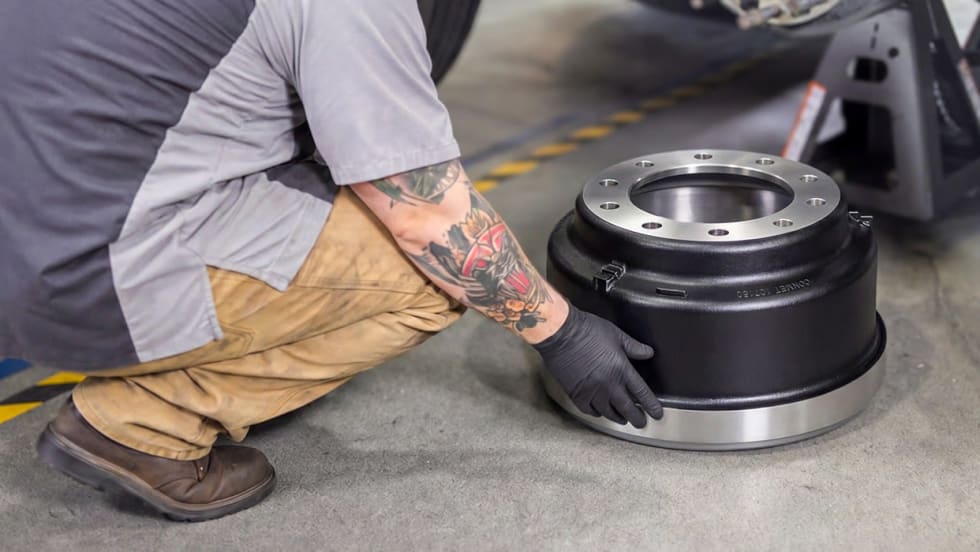
ConMet Expands Aftermarket Brake Drum Lineup With TruCast
A new heavy-duty truck brake drum option in the aftermarket gives customers more flexibility within the ConMet product family.
Read More →
Phillips Opens High-Tech Distribution Center for Faster Parts Delivery
Phillips Industries’ new Cincinnati-area distribution center is now shipping aftermarket trucking parts nationwide, aiming to speed up delivery times for customers.
Read More →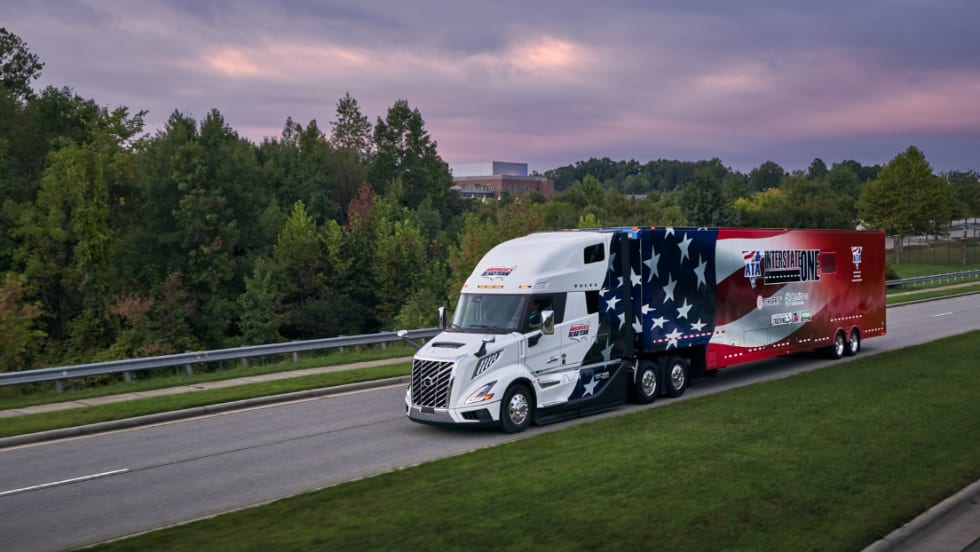
Volvo to Sponsor America’s Road Team for 2025
Volvo Trucks announced that it is extending its exclusive sponsorship of America’s Road Team for 2025.
Read More →
Webb to Start Taking Orders for UltraSet Pre-Adjusted Wheel Hubs
Webb, which recently acquired the Stemco Trifecta pre-adjusted hub program, will soon start taking orders for its replacement pre-assembled hub, the UltraSet.
Read More →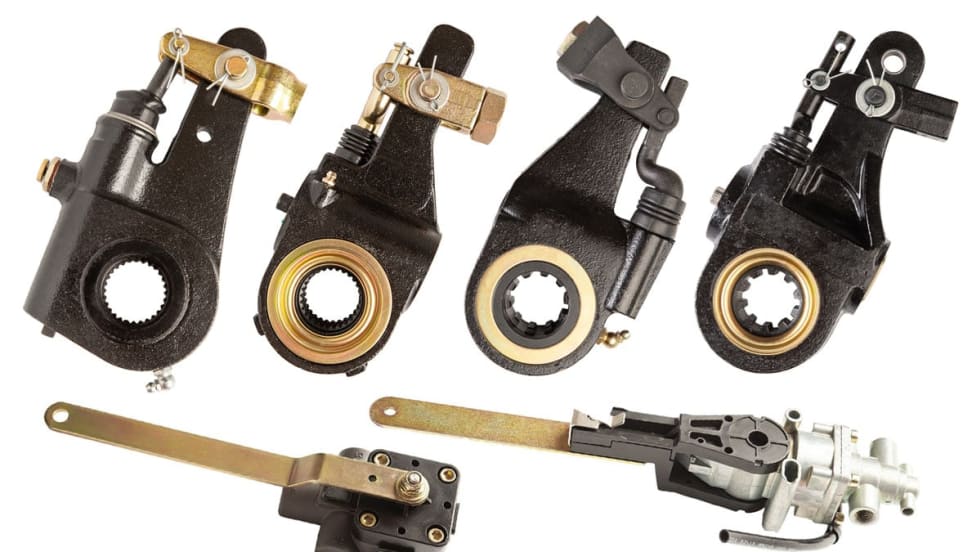
All-Makes Automatic Brake Adjusters, Ride Height Control Valves from Midland
SAF-Holland has added automatic brake adjusters and ride height control valves to its Midland All-Makes Program.
Read More →
ZF Aftermarket Expands [pro]Academy Training
ZF Aftermarket said it is expanding its ZF [pro]Academy training and will be adding 40 new modules this year.
Read More →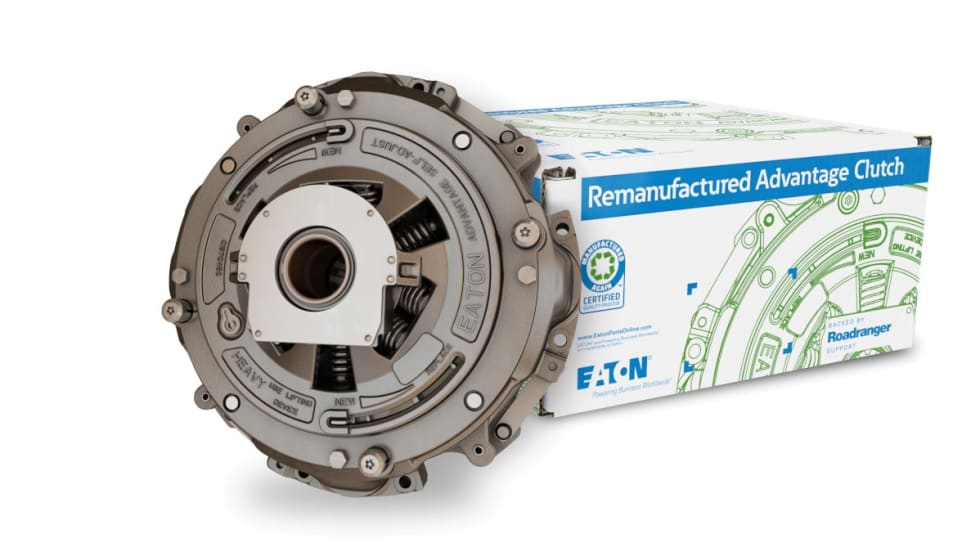
Eaton Adds Remanufactured Advantage Line of Clutches
Eaton has added its Advantage clutches to its remanufactured product line. The clutches feature a unique strap drive intermediate plate designed to allow customers to choose the latest OE specification
Read More →
ConMet Acquires TruckLabs, the Creator of TruckWings
Commercial truck and trailer parts provider ConMet acquired TruckLabs, the company that created TruckWings, an aerodynamic device that attaches to truck cabs and deploys to close the gap between truck and trailer. TruckLabs now operates as a subsidiary of ConMet.
Read More →
Diesel Laptops Releases Fault-Code-to-Part-Number Tool
Diesel Laptops said its Truck Fault Codes allows users to input a fault code and immediately identify and order the parts needed to complete repair work.
Read More →