




Energy Department Forecast Calls for Stable to Falling Fuel Prices
If a new U.S. Energy Department forecast holds true, diesel and gasoline prices during April through September should be the same as they were a year ago and will move lower into next year.

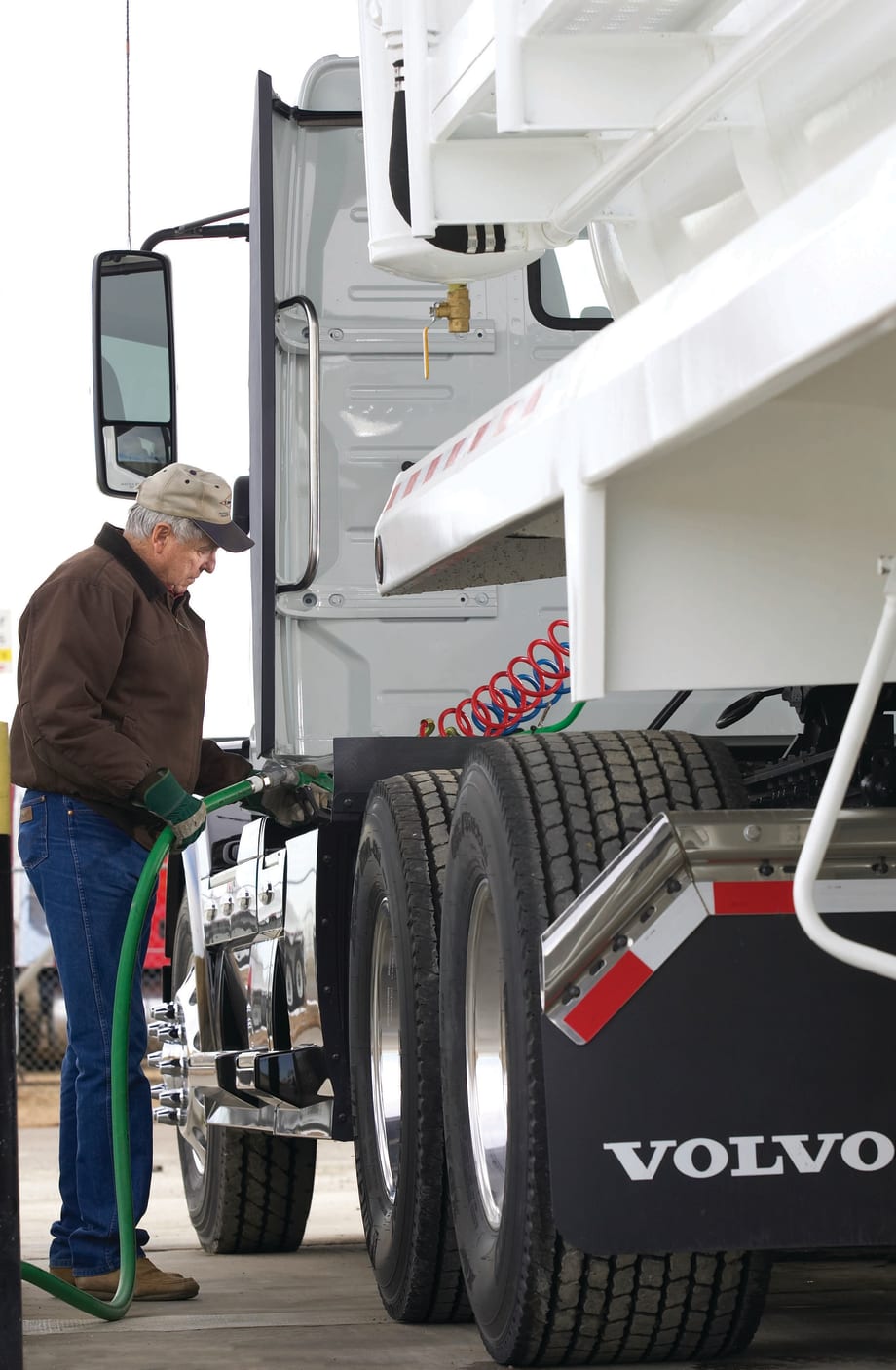

If a new U.S. Energy Department forecast holds true, diesel and gasoline prices during April through September should be the same as they were a year ago and will move lower into next year.
In its Short Term Energy and Summer Fuels Outlook, the Energy Information Administration predicts diesel fuel prices, which averaged $3.95 per gallon last summer, are projected to fall slightly to an average of $3.94 per gallon this summer.
For the entire year, the EIA is forecasting diesel will average $3.90 per gallon, the same as it predicted last month, while next year it’s expected to average $3.80 per gallon
Regular-grade gasoline retail prices, which averaged $3.69 per gallon last summer, will average $3.63 per gallon during the current summer driving season it is predicted. The projected monthly average regular retail gasoline price falls from $3.69 per gallon in May to $3.57 per gallon in September. For all of 2013 it’s expected average price is $3.55 per gallon, before falling to $3.38 in 2014.
The report says the price projections through the summer reflect falling prices for the cost of crude oil, best represented by the Brent crude oil price, which averages about $108 per barrel this summer compared with the $109-per-barrel average of last summer.
Projected consumption of distillate fuel, which includes diesel fuel and heating oil, should average 3.7 million barrels per day this summer, up 20,000 or 0.6% from last summer, driven by increasing manufacturing output and foreign trade.
This news about distillate fuels prices, especially diesel, is a bit surprising considering distillate inventories are projected to start the summer at 112.4 million barrels, down substantially from the 133.8 million barrels recorded at the start of last summer and the previous five-year average of 136.6 million barrels.
However, EIA explains distillate inventories typically build during the summer season in preparation for the heating season. This summer, the build is forecast to average about 110,000 barrels per day compared to the anomalous 35,000 barrels per day draw recorded last summer, but similar to the previous five-year average summer build of 71,000 barrels per day.
End-of-summer stocks are 133.1 million barrels, up slightly from the 127.4 million barrels recorded at the end of last summer, but well below the five-year end-of-summer average of 149.6 million barrels.
More Drivers

Driver Trust Can Make or Break the Success of Fleet Safety Technology
New Teletrac Navman research suggests that onboarding, transparency about driver data, and positive feedback can play a significant role in how commercial drivers respond to safety and coaching technology.
Read More →
EEOC Sues KLLM Over Alleged Sex Discrimination in Driver Training
KLLM is facing a federal sex-discrimination lawsuit over policies the EEOC alleges put female truck driver trainees at a disadvantage.
Read More →
FMCSA Moves to Codify English Language Requirements for Commercial Drivers
By changing regulations on English-language proficiency requirements for commercial drivers, rather than relying on a guidance memo, the FMCSA said future administrations won't be able to walk back the Trump administration's stricter enforcement with just a memo.
Read More →
Drivers Put Western Star Trucks to the Test at Star Nation Experience
Watch to get an inside look at the Western Star trucks, technology, and community behind the Star Nation Experience 2026!
Read More →
Trump Administration Looks to Put More Veterans Behind the Wheel
The Freedom Haulers program pulls together existing and expanded programs at several federal agencies to recruit veterans to drive commercial heavy-duty trucks and cut the red tape for them to get a CDL, training, and employment.
Read More →
Putting Mack’s Command Steer to the Test
A test drive of Mack’s Command Steer active steering system evaluates how it can make truck driving easier and less tiring.
Read More →
Competition Heating Up for Truck Drivers
New report reveals rising driver hiring costs, the return of sign-on bonuses, growing AI advantages, and the operational factors shaping driver retention.
Read More →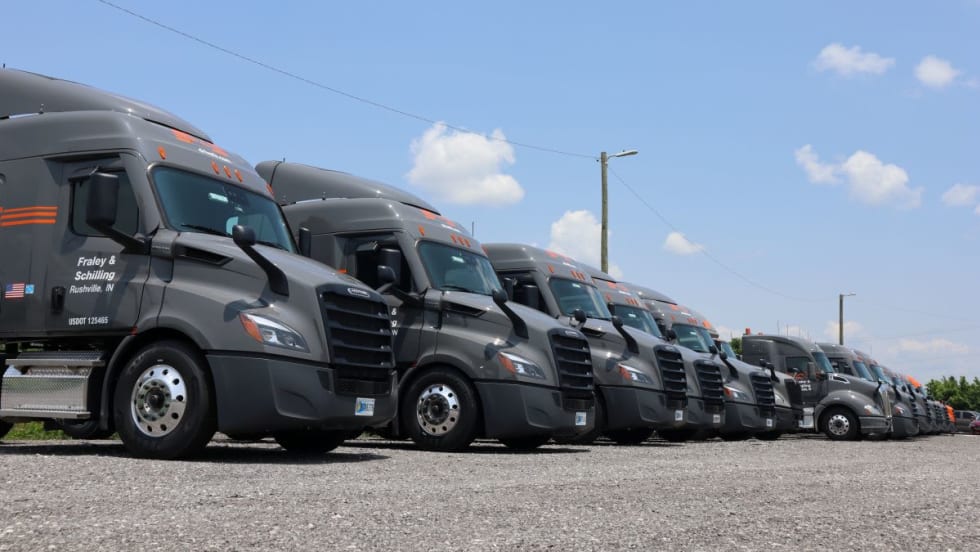
How Fraley & Schilling Improved Logbook Compliance by Over 50%
Fraley & Schilling needed a way to close a compliance workflow gap in its ELD system without adding more work from driver training, reminders, and back-office follow-ups. It found the answer in a custom driver app.
Read More →
Volvo Goes Gaming
Volvo has roared into American Truck Simulator with two new flagship trucks.
Read More →
What the Best Fleets to Drive For Teach About Driver Retention
Survey fatigue, AI-powered routing, owner-operator expectations, and the decline of social media all emerged as themes from this year's Best Fleets to Drive For program.
Read More →