




Emergency Plan Helped Keep AT&T Fleet Running Post-Sandy
When major storms and other natural disasters strike, many companies have to spring into action to restore service to their customers. AT&T is no different, and the company's fleet was able to overcome a range of obstacles in the wake of super storm Sandy in the Northeast earlier this month
When major storms and other natural disasters strike, many companies have to spring into action to restore service to their customers. AT&T is no different, and the company's fleet was able to overcome a range of obstacles in the wake of super storm Sandy in the Northeast earlier this month.
AT&T said the key challenges it faced included the loss of commercial power, limited access to retail fueling, and the inability to dispatch service vehicles due to flooding, debris, and road closures in some areas. The company said it was able to deal with these challenges because it had an emergency plan in place.
AT&T conducts readiness drills and simulations throughout the year to ensure our networks are prepared and our personnel are ready to respond at a moment's notice, said a company spokesperson. Due to the planning and execution on the front end, we were well prepared to respond to these challenges, including having generators staged for deployment and fuel supplies lined up to keep our fleet rolling.
One method the company used to ensure its vehicles had fuel was to secure and deploy 80 fuel trucks to bring in fuel supplies from outside the storm-hit region. AT&T used the fuel to keep its vehicles and generators going.
One unique challenge that AT&T said it faced was fueling its compressed natural gas-fueled vehicles. The company operates 244 CNG service vehicles in Connecticut, and the company had to implement its emergency CNG fueling plan to ensure these vehicles could continue to operate.
This emergency plan included the deployment of two gas transport modules, each containing 900 gasoline gallon equivalents (GGEs) of CNG. We quickly had the GTMs in service following the storm making landfall, and kept them up until power was restored at the impacted retail fueling stations," the spokesperson said.
Beyond ensuring its drivers were able to fuel up company fleet vehicles, AT&T also made fuel available to its employees for purchase in hard-hit areas of New York and New Jersey, as many employees crucial to service restoration efforts needed fuel to get to and from work.
By Nov. 15, the company said its operations were back to normal in the region.
By executing on our well-rehearsed emergency plans before the storm actually hit, we were as prepared as possible to deal with two of the top issues from a storm for our fleet, which are fuel supply and power supply, the spokesperson said.
Greg Basich writes for sister publication Automotive Fleet.
More Drivers

Driver Trust Can Make or Break the Success of Fleet Safety Technology
New Teletrac Navman research suggests that onboarding, transparency about driver data, and positive feedback can play a significant role in how commercial drivers respond to safety and coaching technology.
Read More →
EEOC Sues KLLM Over Alleged Sex Discrimination in Driver Training
KLLM is facing a federal sex-discrimination lawsuit over policies the EEOC alleges put female truck driver trainees at a disadvantage.
Read More →
FMCSA Moves to Codify English Language Requirements for Commercial Drivers
By changing regulations on English-language proficiency requirements for commercial drivers, rather than relying on a guidance memo, the FMCSA said future administrations won't be able to walk back the Trump administration's stricter enforcement with just a memo.
Read More →
Drivers Put Western Star Trucks to the Test at Star Nation Experience
Watch to get an inside look at the Western Star trucks, technology, and community behind the Star Nation Experience 2026!
Read More →
Trump Administration Looks to Put More Veterans Behind the Wheel
The Freedom Haulers program pulls together existing and expanded programs at several federal agencies to recruit veterans to drive commercial heavy-duty trucks and cut the red tape for them to get a CDL, training, and employment.
Read More →
Putting Mack’s Command Steer to the Test
A test drive of Mack’s Command Steer active steering system evaluates how it can make truck driving easier and less tiring.
Read More →
Competition Heating Up for Truck Drivers
New report reveals rising driver hiring costs, the return of sign-on bonuses, growing AI advantages, and the operational factors shaping driver retention.
Read More →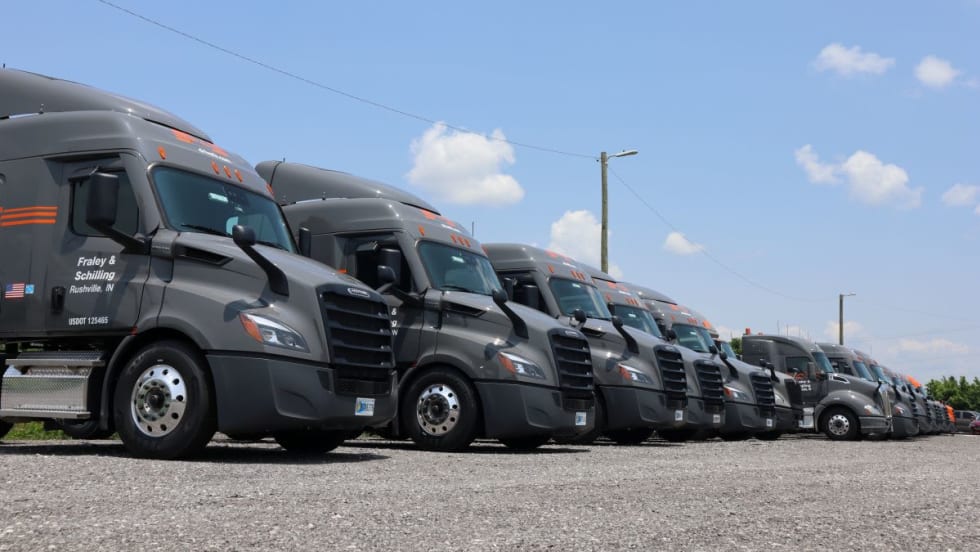
How Fraley & Schilling Improved Logbook Compliance by Over 50%
Fraley & Schilling needed a way to close a compliance workflow gap in its ELD system without adding more work from driver training, reminders, and back-office follow-ups. It found the answer in a custom driver app.
Read More →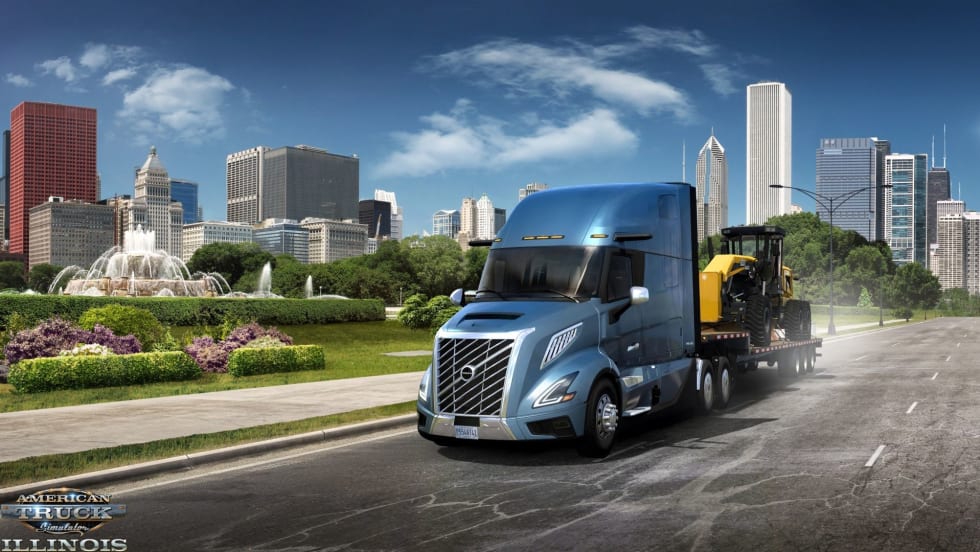
Volvo Goes Gaming
Volvo has roared into American Truck Simulator with two new flagship trucks.
Read More →
What the Best Fleets to Drive For Teach About Driver Retention
Survey fatigue, AI-powered routing, owner-operator expectations, and the decline of social media all emerged as themes from this year's Best Fleets to Drive For program.
Read More →