




Related: Electric Trucks: Zap in the Pan?
Electric Vehicle Interest Accelerated in Third Quarter, ACT Says
Several high-profile electric vehicle concepts have been introduced the third quarter of 2017, indicating increasing interest from the trucking industry, according to a report from ACT Research.
by Staff
September 19, 2017
Photo: Jim Park
2 min to read
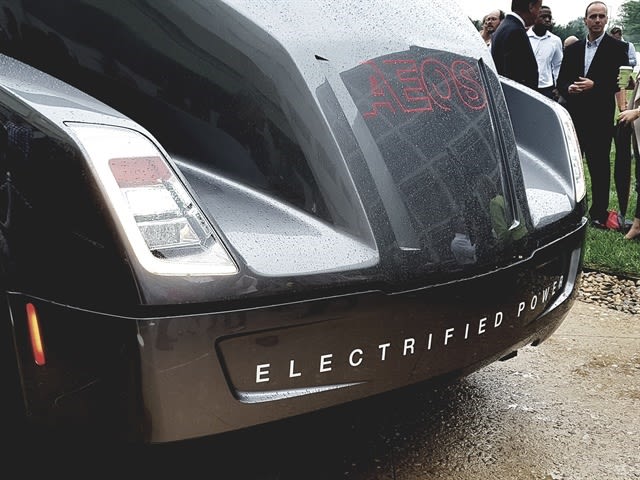
Photo: Jim Park
Several high-profile electric vehicle concepts have been introduced the third quarter of 2017, indicating increasing interest from the trucking industry, according to a report from ACT Research.
Three different companies recently made significant announcements in the electric vehicle industry. Cummins suprised the industry by launching its own fully electric Class 7 daycab tractor dubbed the Urban Hauler EV, which is a prototype model only. However, the company plans to start producing electric powertrains for transit buses globally in 2019.
Motiv Power Systems announced that the City of Sacramento, California, will receive its first all-electric garbage truck in the early part of 2018. The technology powering the Electric Refuse Vehicle is an all-electric powertrain from Motiv.
“The Class 8 vehicle will be built on a Crane Carrier chassis, and the body will be built by Loadmaster,” noted Tom Rhein, president of Rhein Associates. “The Sacramento ERV will be one of only two all-electric refuse trucks in operation within North America, both powered by Motiv; the other is in Chicago.”
Chanje, a california electric vehicle company, is introducing a commercial all-electric medium-duty vehicle later this year that is expected to be available at mass scale by the end of the year. Its electric cargo cans are designed from the ground up as purpose-built, long-life EVs, according to ACT.
The analysis was from ACT’s recently released North American On-Highway Commercial Vehicle Engine Outlook, which was produced with Rhein Associates. The report presents historical trends, current activity and forecasts of engine demand in on-highway commercial vehicles. It identifies trends in engine displacement, type, captive and non-captive engines, and premium compared to non-premium power for Class 8 vehicles.
Rhein Associates is a supplier of powertrain information globally. RAI produces three major publications: The Rhein Report, The Future of Diesel Engines (5-year history and forecast book), and various engine databases, as well as various consulting projects.
More Fuel Smarts

How Volvo Updated Its D13 for EPA 2027 [Watch]
Volvo’s updated D13 promises lower emissions without sacrificing performance or fuel economy. Take a closer look at what changed inside the engine in this HDT Spotlight video.
Read More →
Diesel Price Spike Shortens Payback for Natural Gas Trucks, Report Says
Energy Vision estimates fleets could recover the higher purchase price of an RNG-fueled Class 8 tractor in 1.3 to 2.8 years under current fuel-price scenarios.
Read More →
Calstart Becomes Catalyst Mobility, Reflecting Broader Focus
Calstart is now Catalyst Mobility, reflecting the nonprofit’s growing national role in clean transportation, including zero-emission trucks, infrastructure and incentive programs.
Read More →

Record Diesel Prices Squeeze Trucking Fleets
Average U.S. diesel prices have climbed to nearly $6 a gallon, surpassing the 2022 record as tight refinery capacity and Middle East disruptions keep fuel costs elevated.
Read More →
Sponsored•September 9, 2026
How Fuel Delivery Shapes Engine Performance
Fuel delivery depends on more than what happens at the injector. For fleet, maintenance and technical professionals, looking at the full path from pump to injector can provide useful context for understanding engine performance.
Read More →
East Coast Port Launches $45M Electric Truck Push
The Port Authority of New York and New Jersey announced millions in incentives for zero-emission drayage trucks, yard tractors, and new charging hubs near the port.
Read More →
California Bill Could Shed Light on Electric Truck Prices
Why do battery-electric Class 8 trucks remain so expensive? A California bill headed to Gov. Gavin Newsom would give fleets and state agencies more visibility into what manufacturers charge.
Read More →
Detroit Opens Orders for EPA 2027 Engines
Detroit isn’t starting from scratch to meet EPA 2027 diesel emissions standards. Its Gen 6 DD13 and DD15 engines keep much of today’s platform while updating the fuel and aftertreatment systems.
Read More →
Zero-Emission Truck Corridor Planned for West Coast
California, Oregon, Washington, British Columbia and Baja California are coordinating plans for truck charging and hydrogen fueling from Canada to Mexico.
Read More →
A Closer Look at Kenworth’s Electric T880E Vocational Truck [Video]
Learn more about Kenworth's T880E battery-electric vocational truck at the Paccar Technical Center, including its range, applications, upfitting considerations, and PTO options, in this HDT Spotlight video.
Read More →